Archive for January 2024

Improving the health of fish exposed to arsenic and increasing environmental temperatures

Speaking of stress…scientists at the ICAR – National Institute of Abiotic Stress Management in India are exploring the use of dietary copper to help reduce stress and improve the health of fish exposed to environmental pollutants such as arsenic. Copper is an essential element for animals and humans. It is involved in bone formation and growth, nervous system function, metabolism, immune system function, and antioxidant production.1 Warming aquatic temperatures are […]

Continue Reading →

Study examines how statin exposure affects cholesterol metabolism in fish

Despite its bad reputation, cholesterol serves many important functions in the body. It is necessary for normal cell structure and is a precursor for the formation of steroid hormones, vitamin D, and bile acids. Too much “bad” cholesterol (LDL), however, can promote cardiovascular diseases and nonalcoholic fatty liver disease. For this reason, many animals tightly regulate cholesterol levels in the body. Fish often have higher cholesterol levels than humans and […]

Continue Reading →

Is it just a fluke?

Lung flukes, Hematoloechus sp., are pesky little parasites. Up to 89 species of lung flukes have been identified to date. Their life cycle includes two intermediate hosts, the first of which are freshwater snails that swallow fluke eggs. After ingestion, the eggs hatch and produce a larval form of the parasite called cercaria, which are shed from the snails and taken up by damselflies or dragonflies. These are quite the […]

Continue Reading →

Adapting to a fruit diet

In an interesting new study published in Nature Communications, researchers compared gene expression of Jamaican fruit bats (Artibeus jamaicensis) and insectivorous big brown bats (Eptesicus fuscus) to humans with diabetes. Fruit eating bats, in particular, intrigued researchers as their diet is high in sugars requiring the animals to rapidly regulate glucose to prevent diabetes-like complications. In fact, fruit bats are able to lower their blood sugar faster after a meal […]

Continue Reading →

“Gatorcicles”

Freezing temperatures are no match for alligators. Recent images emerging from Texas and North Carolina show frozen ponds and swamps dotted with alligators. Similar to animals that experience torpor, alligators are able to reduce their metabolism and heart rate to as little as three beats per minute to survive freezing temperatures. This torpor-like state is called brumation. Poking their snouts above the ice before it freezes, allows them to continue […]

Continue Reading →

Keeping fur clean

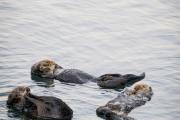
Dr. Andrew Dickerson and colleagues at the University of Tennessee wondered why underwater surfaces collect algae and bacteria whereas the fur of semiaquatic mammals, such as otters and beavers, do not. The collection of bacteria, slime, plants, and organisms such as mussels on underwater surfaces is called “biofouling” In a new study, scientists discovered that the fur of semiaquatic animals has a unique property: each hair is able to move […]

Continue Reading →