Archive for March 2025

Physiology on the road: Celebrating physiology in Indiana

I am excited to announce that the Indiana Physiological Society, a chapter of the American Physiological Society, is hosting their annual meeting tomorrow! The event will take place at the University of Southern Indiana. The keynote address will be given by Dr. Thad Wilson, renowned professor of physiology and educator at the University of Kentucky College of Medicine. The conference also includes hands-on activities to improve teaching in physiology. It […]

Continue Reading →

Understanding Giant Pandas’ Unique Bamboo Diet

Happy National Panda Day!! Today, we celebrate one of the most beloved animals around the world. Giant pandas, Ailuropoda melanoleuca, are native to China and are the only living member of the genus, Ailuropoda. Pandas are members of the carnivorous Ursidae bear family. However, they have evolved to eat a diet consisting of close to 99% bamboo. Their jaws, teeth, digestive system and even their paws with a “false thumb” […]

Continue Reading →

Buzz-off! Nature’s hornet, wasp, bee and predator control

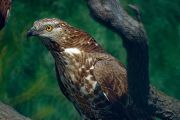
On this “Buzzards Day”, we celebrate the return of buzzards from winter migration and, although not native to the United States, we celebrate pest controlling honey buzzards as well. Turkey vultures, aka turkey buzzards, have a strange self-defense strategy. To ward off predators, they are capable of projectile vomiting their last meal up to 10 feet…gross…but effective. Do not startle these birds on their return flight from migration!! Check out […]

Continue Reading →

New study explores whether diet and blood sugar affect cancer risk

A new study published by researchers at Arizona State University, led by Dr. Carlo Maley, in Nature Communications set out to examine whether vertebrates that have high blood sugar are at greater risk of developing cancer. The current study follows on the heels of prior work by his team that was published in Evolution, Medicine, and Public Health last summer showing that cancer prevalence is lower in birds than other […]

Continue Reading →