Agriculture, Aquaculture, and Livestock

“Gatorcicles”

Freezing temperatures are no match for alligators. Recent images emerging from Texas and North Carolina show frozen ponds and swamps dotted with alligators. Similar to animals that experience torpor, alligators are able to reduce their metabolism and heart rate to as little as three beats per minute to survive freezing temperatures. This torpor-like state is called brumation. Poking their snouts above the ice before it freezes, allows them to continue […]

Continue Reading →

Researchers discover starfish are even more strange than previously thought

If you asked a starfish (aka: sea star) to pick “heads or tails”, and they could understand what you were talking about, they would pick heads every time. In fact, researchers recently discovered that starfish are simply heads without a body: It gets better…starfish do not even have a brain or blood, and they eject their stomach out of their mouth to eat. Terrible table manners. Aside from these extreme […]

Continue Reading →

New paper explores how our complex kidneys evolved

The kidneys are remarkable organs responsible for filtering blood and creating urine. To learn more about how they do this, check out this YouTube video: The evolution of glomerular filtration is what allows animals to regulate the disposal of ions such as calcium, magnesium, sodium, potassium, and sulfate. Some solutes are reabsorbed from the urine and returned to the body with the help of sodium ions, whereas other solutes are […]

Continue Reading →

Physiology on the Road: “Physiology in Ohio, The Heart of it All!”

The Ohio Physiological Society met October 6-7th at The University of Toledo located in Toledo, OH. True to the name of this year’s conference, the Keynote address was given by Dr. Joseph Wu, Director of the Stanford Cardiovascular Institute and current president of the American Heart Association. His research focuses on congenital heart disease in adults as well as cardiovascular imaging. His most recent clinical trials involve testing bone-derived stem […]

Continue Reading →

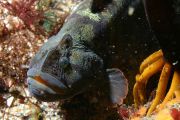
Meet the monkeyface prickleback (that is not a typo):

Someone must have seen a resemblance to monkeys when naming these animals. Adult monkeyface pricklebacks, Cebidichthys violaceus, weigh around 6 pounds and can grow up to 2.5 feet long. They can live up to about 18 years of age. Despite their appearance, they are not eels, although their eel-like shape allows them to hide in crevices. They are native to the California coast and their home range is only a […]

Continue Reading →

Ever wonder how a swim bladder works?

Swim bladders are special organs filled with air that help regulate the buoyancy of some bony fish, like teleosts. Check out this YouTube video which explains how the swim bladder works: Because the inner surface of this organ is lined with mucosa, researchers suspected it may contain immune cells and microbes – similar to the inner lining of mammalian lungs. In a study published in Cell Discovery, researchers confirmed the […]

Continue Reading →

Sniffing out pathogens

Rainbow trout are able to mount an immune response after simply smelling a virus or bacteria, even before they are infected. In a new study shared at the 2023 American Physiology Summit, researchers examined whether smell-induced activation of the immune response also triggers avoidance behaviors in the fish. By creating a maze that included a pathogen at one end, they discovered that the fish do in fact avoid the smell […]

Continue Reading →

Physiological Desalination

Ellie Runiewicz, an undergraduate student in the laboratory of Dr. Jason Breves at Skidmore College presented research on osmoregulation in teleost fish at the American Physiology Summit last month. Ellie’s research examined how Atlantic salmon are able to remove salts from the water they drink. When these fish live in marine environments, they are constantly drinking saltwater. Processing the water to remove the salts is therefore really important to their […]

Continue Reading →

Benefits of reproduction outweigh costs to locomotion

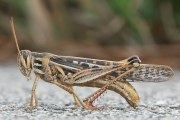
Christopher Ringer, an undergraduate student in the laboratory of Dr. Kate Feller at Union College also shared his research at the American Physiology Summit last month. His research examined the impact of reproductive weight gain on a female locust’s ability to jump. Gravid female locusts (Schistocerca americana) carrying eggs gain as much as 40% additional body mass. Despite this weight gain, they can still jump high and far when necessary. […]

Continue Reading →

Mechanisms behind hornworm self-defense discussed at the 2023 American Physiology Summit

Graduate student Christian Valtierra presented research conducted in Dr. Megumi Fuse’s lab (San Francisco State University) at the 2023 American Physiology Summit last month. The research was focused on examining the defensive strike response in Manduca sexta hornworms. Animals respond to potentially damaging stimuli with the help of sensory neurons, called nociceptors, that specialize in detecting these stimuli. In humans, activation of these receptors is what causes us to perceive […]

Continue Reading →