Agriculture, Aquaculture, and Livestock

Researchers discover a way to improve glucose regulation in fish

Many species of carnivorous fish have a difficult time metabolizing carbohydrates, resulting in hyperglycemia. In these affected species, lipids and glycogen (the storage form of glucose) build up in tissues and their growth is slowed when they are fed carbohydrate-rich diets. In addition, these fish continue to produce glucose (through gluconeogenesis) even if they consume it in their diets, which worsens their hyperglycemia. This is a major concern in the […]

Continue Reading →

Protecting oil palms and owls with cholecalciferol

Wild rodent infestations can destroy crops and pose many risks to public health. According to the CDC, they are hosts to many diseases including Hantavirus, Monkeypox, Salmonella, Hemorrhagic fever, Lassa fever, Leptospirosis, Arenavirus, Sylvatic Typhus, and Tularemia. Wild rodents may also indirectly spread diseases to humans and other animals through infected ticks, mites, mosquitoes, and fleas that feast on them. Such indirect illnesses include Lyme disease, Plague, Typhus, Colorado Tick […]

Continue Reading →

One reason why fish and mammals lose their appetite during stress

I don’t know about you, but sometimes I lose my appetite when I am really stressed. The endocrine system is responsible for controlling our stress responses and involves three main endocrine glands – the hypothalamus, pituitary, and adrenal gland. Hence, the stress pathway is often referred to as the “HPA axis”. When we are stressed, the hypothalamus releases a hormone called corticotropin releasing factor (CRF), which triggers the release of […]

Continue Reading →

Arizona physiologists gathered recently for their annual meeting

The Arizona Physiological Society, a chapter of the American Physiological Society, hosted their 15th annual scientific meeting this past weekend! Here are some highlights… The Keynote Address was presented by Dr. Harold D Schultz, Professor in the Department of Cellular and Integrative Physiology at the University of Nebraska. His talk focused on the physiology of heart failure and how the nervous system regulates blood pressure. This year’s Arizona Distinguished Physiologist […]

Continue Reading →

Goldfish learn how to drive and target similar visual cues as humans

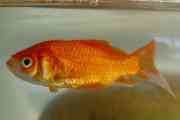
Researchers at Ben-Gurion University of the Negev constructed a tank on wheels that goldfish actually learned how to “drive”. Using cameras, the “car” was able to move in the direction the fish swam. They then tested whether the fish could purposefully navigate the car towards a target and observed that the fish could indeed swim towards a target in return for a treat, of course. In a prior study, the […]

Continue Reading →

Aging and Immortality

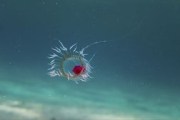
Have you ever heard of the ‘immortal’ jellyfish, Turritopsis dohrnii? These tiny creatures (about 4.5 mm) are aptly named for their ability to essentially live forever. According to the Natural History Museum, when these jellyfish are damaged, they can actually revert to a prior life cycle as a polyp and become an adult jellyfish (aka, medusa) all over again. This process is called transdifferentiation. Check out this video from the […]

Continue Reading →

Causes and consequences of stiff arteries

In a new review article published in Physiology, researchers speculate that arterial stiffness in middle-aged adults may actually be the body’s way of trying to compensate for widening of the blood vessel walls as we age. But that benefit turns into a risk with aging as it increases the flow of blood into organs like the brain, kidney, and heart and damages the small blood vessels in those organs. Interestingly, […]

Continue Reading →

Chronic stress during pregnancy increases risk of stillbirth and preterm delivery

At the end of pregnancy, levels of the hormone oxytocin increase to stimulate parturition, or childbirth. The stress hormone cortisol is also important for normal fetal development and, like oxytocin, cortisol increases at the end of pregnancy. This may help explain why chronic stress during pregnancy increases the risk of complications such as stillbirth.   A new study published in the American Journal of Physiology – Regulatory, Integrative and Comparative […]

Continue Reading →

Domestic zebrafish are less plastic

Zebrafish have been used in medical research since at least the 1970’s as their anatomy, physiology, as well as genetics are similar to humans. Other advantages to studying zebrafish is that they are inexpensive to raise, and they reproduce well in captivity. The ability to adjust one’s physiology in response to varying environments is called plasticity. An organism may encounter any number of environmental fluctuations (light/dark, temperatures, predation risk, noise, […]

Continue Reading →

Are declines in food availability to blame for the menu change?

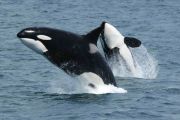
Yesterday, we marveled over the recent sightings of two killer whales targeting sharks off the coast of South Africa. The recent uptick in shark hunting has scientists wondering how the loss of great white sharks will impact the ecosystem. But it also has some wondering why the orcas are targeting so many sharks when their diets typically consist of a variety of fish and marine mammals.   Clues may lie […]

Continue Reading →