Agriculture, Aquaculture, and Livestock

Warm Waters = Smaller Fish

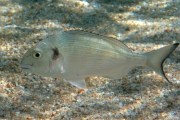
I love fishing. As with every fisherman, I have my fair share of “the one that got away” stories steeped in *mostly* truth. So, you can imagine my interest in reading research that shows fish appear to be shrinking in warming waters. Warm waters carry less oxygen, which makes it difficult for fish to breath…especially larger fish. Metabolism is also higher in fish living in warm waters. Higher metabolism means the […]
Continue Reading →

Could cows be the secret weapon against the spread of HIV?

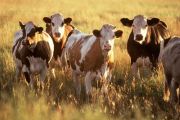
Researchers at the International AIDS Vaccine Initiative at Scripps Research Institute have discovered that cows can produce antibodies that effectively neutralize HIV. Thus far, developing an effective vaccine for HIV has been hampered by the ability of the virus to mutate. Some people who have been infected with the virus for a period of years develop antibodies that are able to attack parts of the virus that do not mutate. Cows exposed to HIV, […]

Continue Reading →

Sex differences in the evolution of live-bearing fish

Samples of fish species from the Poeciliidae family show the diversity in color, fin size and body shape. Kansas State University researchers studied 112 species of these live-bearing fishes and found that males and females evolve differently. Image courtesy of Kansas State University Dr. Michael Tobler and Dr. Zach Culumber at Kansas State University examined 112 species of live-bearing fish (Poeciliidae) and have made some interesting discoveries about their evolution. Their […]

Continue Reading →

Competition horses calmed by lavender

While lavender aromatherapy has been documented to reduce stress in humans, little is known about its potential for reducing stress in veterinary medicine. Horses can develop elevated heart rates and stress hormone levels when they are confined to horse trailers and transported to new competition venues. Therapies to reduce stress in competition horses are regulated and often prohibit the use of sedatives or oral supplements. Kylie Heitman, an undergraduate student at […]

Continue Reading →

Experimental Biology – Day 2

Yesterday was a great day for comparative physiology! Highlights from the seminars on comparative physiology: Melissa Reiterer, graduate student from Florida Atlantic University, presented her research on how freshwater turtles (Trachemys scripta) survive for long periods of time without oxygen and do not develop oxidative stress after oxygen is restored. The turtles are able to do this by creating their own antioxidants as well as eliminating oxidative stress. In contrast, mammals including humans, develop […]

Continue Reading →

Growing meaty fish

Similar to humans, muscle growth in fish is increased with exercise. Unlike humans, however, teleost fish are able to continue growing in length as well as weight throughout their lives. This type of meat, I mean muscle, growth happens in two ways: 1) muscle cells get bigger and 2) new muscle cells form. Researchers at the University of Barcelona in Spain wanted to know what effect moderate sustained swimming would have on the muscles of young […]

Continue Reading →

Ammonia tolerance of goldfish

Liver failure or congenital defects can lead to a build-up of ammonia in the brain of mammals resulting in life-threatening swelling, convulsions and comas. For goldfish (Carassius auratus), environmental exposure to ammonia causes reversible swelling of the brain. In a new study published in the American Journal of Physiology – Regulatory, Integrative and Comparative Physiology, researchers wanted to explore how the fish were able to accomplish this. They exposed goldfish to high […]

Continue Reading →

Carbon monoxide lowers breathing rate in fish too

  We tend to think of carbon monoxide (CO) only in terms of being a poisonous gas. The reason for its toxicity is due to its ability to bind really tightly to our hemoglobin molecules, which prevents oxygen from being able to bind. In mammals, CO also decrease breathing rate. As you can imagine, it is a pretty terrible gas to breath in when you are a species dependent on hemoglobin for delivery […]

Continue Reading →

Reducing gas emissions…from cows

No joke: California Governor Jerry Brown signed a bill to regulate ‘gas’ emissions from cows along with other sources of greenhouse gases, of course. According to an interview from NPR, dairy cows are the number one producer of methane in California. The problem with methane is that it is a major component of smog, although according to scientists at the University of California Santa Barbara, it is not the leading cause of global warming. In fact, agriculture-related […]

Continue Reading →