Diet and Exercise

Health risks of being social

When I think of rainbow trout, the first image that comes to mind is usually something like this: In the wild, they look more like this: …not as appetizing, but a lot more fascinating.  When salmonid fish like rainbow trout are in environments with limited food or space, they form social hierarchies. In one study of limited food availability, Grobler et al., found that when they placed 4 rainbow trout […]

Continue Reading →

Man catches rare warm-blooded fish

This past weekend a man caught a very rare fish, called an opah (aka moonfish), off the coast of Ocean City, Maryland. What makes this fish so rare is that it is the only known warm-blooded fish. In fact, they are able to keep their whole body about 5 degrees Celsius above the water they swim in. Other fish lose heat generated from muscle movements to the environment as the […]

Continue Reading →

Fasting as a survival strategy in animals

Although female northern elephant seals only typically deliver one pup, females will sometimes nurse offspring from other mothers as in this photo by Brocken Inaglory via Wikimedia commons. A situation like this would result in less milk available to each nursing pup. I just read an interesting paper published in Physiology. Animals periodically undergo periods of food deprivation such as during hibernation, mating, molting and migration. During these period of […]

Continue Reading →

People with diabetes have less sRAGE

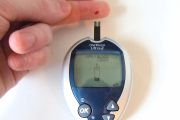
When blood sugar concentrations are elevated, humans run the risk of glucose binding to proteins in the blood and causing the irreversible formation of advanced glycation end products (AGE). Once formed, AGEs can bind to their receptor (RAGE) and stimulate inflammation and oxidative stress. This pathological signaling can be stopped by pieces of the RAGE protein that break off and form a soluble version called sRAGE. These soluble versions of […]

Continue Reading →

Do Mexican cavefish hold the secret to treating diabetes?

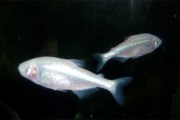
Mexican tetra (Astyanax mexicanus) are a fascinating example of divergent evolution. Over time, some of these freshwater river fish washed into caves where they continue to live. With perpetual darkness, these cavefish have lost their ability to see along with their skin pigmentation. Oxygen and food are also hard to come by in the caves. In fact, the cave dwelling fish may go for months without eating as they wait […]

Continue Reading →

Benefits to being furry, but not fat, in a cold environment

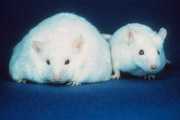
To deal with cold environments, mammals have several options. They could produce heat by increasing metabolism or shivering or they could conserve heat by constricting blood vessels in their skin or snuggling with a friend or insulating materials. With this in mind, researchers wondered how varying levels of insulation (obesity, fur) in mice affected heat loss and how much energy the animals used to maintain body heat. Their thinking was […]

Continue Reading →

Is your pet overweight?

A new study conducted by the Banfield Pet Hospital (Vancouver, Washington) reports that as many as 1 in 3 dogs and cats living in the United States are overweight. The study was based on data collected by Banfield veterinary clinics on 2.5 million dogs and half a million cats over the past year. Obesity in pets was not related to the weight status of their owners. In fact, overweight pets were less prevalent in states whose populations […]

Continue Reading →

Walking your dog is good for your health, and theirs

A new study shows that walking your dog is good for your health. Here is a YouTube video summarizing the findings of the study: Let’s not forget that walking your dog is also very good for your dog. According to PetMD, some benefits include weight control, keeping your dog limber, controlling destructive behaviors and hyperactivity, and of course building a bond between you and your pet. If you have a […]

Continue Reading →

Meet the amazing and ‘ew’-inspiring Pacific hagfish

Pacific hagfish (Eptatretus stoutii), aka “slime eels”, are primitive fish that occupy burrows on the ocean floor. Like earthworms, they have 5 hearts. They have no true eyes, no jaws, nor do they have a stomach. They locate their meals through great senses of smell and touch. In addition to small invertebrates, they are known for consuming carrion that fall to the ocean floor. By consume, I mean burrow into […]

Continue Reading →