Exercise

Little-known functions of the spleen: Q&A with Dr. Frank van Breukelen and Gilbecca Smith, University of Las Vegas

We are excited to feature Dr. Frank van Breukelen and his graduate student, Gilbecca Rae Smith, from the University of Las Vegas, Nevada. They presented exciting new research at the 2024 American Physiology Summit examining some little-known functions of the spleen.  Q: We often associate the spleen with its ability to filter blood and make white blood cells to fight infections. We don’t often consider the importance of its ability to […]
Continue Reading →

Let’s stop lactate-shaming

As wisely stated in an editorial by Dr. George Brooks, UC Berkeley (2001), “Nature is smarter, and things are more complex than we mortals imagine.” Sure lactate is produced during exercise and is often blamed for causing muscles to fatigue, but there is much more to the story. In fact, research has shown that lactate plays many important physiological roles in the body such as serving as a metabolic fuel […]

Continue Reading →

Physiology on the road: What’s happening in Arizona

The Arizona Physiological Society held their 16th annual meeting this past weekend at Midwestern University in Glendale, Arizona. The Arizona Established Scientist Keynote Speaker was Dr. Christopher Glembotski, Professor of Internal Medicine and Director of the Translational Cardiovascular Research Center at the University of Arizona, Phoenix campus. Ischemic diseases, such as strokes and heart attacks, disrupt the normal functioning of the endoplasmic reticulum, which alters protein production and folding. His […]

Continue Reading →

Physiology on the road: What’s happening in Missouri

This time of year is perfect for catching up on local physiology news. For the next few posts, we are going to take a tour around the country to learn what’s going on in some of the chapters of the American Physiological Society… First stop: the Missouri Physiological Society, otherwise known as “mophys”. Mophys is an independent chapter of the American Physiological Society. They held their annual meeting on September […]

Continue Reading →

Benefits of reproduction outweigh costs to locomotion

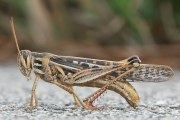
Christopher Ringer, an undergraduate student in the laboratory of Dr. Kate Feller at Union College also shared his research at the American Physiology Summit last month. His research examined the impact of reproductive weight gain on a female locust’s ability to jump. Gravid female locusts (Schistocerca americana) carrying eggs gain as much as 40% additional body mass. Despite this weight gain, they can still jump high and far when necessary. […]

Continue Reading →

Hummingbirds can choose how deep to sleep

Could you imagine drinking a can of soda every minute just to support your high metabolism? Amazingly, that is the equivalent to how much sugar a hummingbird needs to support their rapid wingbeats during flight. In fact, hummingbird flight muscles are the fastest on record, allowing the birds to flap their wings at a rate of up to 200 beats per second! That explains why they are always at my […]

Continue Reading →

Migratory birds create their own water to prevent dehydration

Migratory birds are amazingly adapted for long-distance flights and can switch the fuels they rely on to support their endurance activities. Unlike humans that burn mainly carbohydrates for endurance exercise, avian flight is fueled mainly by fats and some proteins. In a recent study published in the American Journal of Physiology – Regulatory, Integrative and Comparative Physiology researchers examined how white-throated sparrows (Zonotrichia albicollis) prepared for migration. By altering the […]

Continue Reading →

Heat may activate muscle growth and prevent atrophy

Skeletal muscle is not only important for our ability to move, it also plays a major role in metabolism. Under normal conditions, the routine processes of muscle growth (hypertrophy) and breakdown (atrophy) are in balance. While many of us are aware that exercise and healthy diets promote muscle growth, diseases and sedentary lifestyles can promote muscle atrophy. Studies examining the effects of heat on muscle – from environmental heat, direct […]

Continue Reading →

Buoyancy and Balance

Existing species of coelacanths (pictured above) are descendants of a group of fish that existed about 410 million years ago, during the early Devonian period. They can be found in the Western Indian Ocean off the coast of Indonesia. These fish are really interesting because they have very low metabolic rates. In fact, their metabolism is among the lowest of any other existing vertebrate. Even sloths are jealous of their […]

Continue Reading →

Geriatric bees

Jacob Pithan, a graduate student in the laboratory of Dr. Kendra Greenlee (North Dakota State University), presented their research examining how aging affects exercise performance as well as oxidative health at last month’s Experimental Biology conference in Philadelphia. The oxidative stress theory of aging postulates that aging results from an overproduction of free radicals along with a decrease in antioxidants that can scavenge them. The problem with free radicals is […]

Continue Reading →