Extreme Animals

The electrophysiology of sudden cardiac death in high-performance athletes

Humans and racehorses have something in common when it comes to risk of sudden cardiac death. In fact, sudden cardiac death is the 2nd most common cause of death during exercise among these athletes. Although rare, it typically affects young, seemingly healthy individuals. Research suggests that exercise itself is not to blame, but rather an underlying predisposition for irregular heart rates that exercise uncovers. The most common inherited causes of […]
Continue Reading →

Some like it hot: Genetic twists in warm hibernation

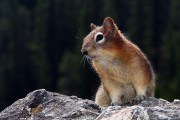
Hibernation was also a hot…I mean warm…topic at the American Physiology Summit last month in Baltimore, MD. Thomas Crippen presented research conducted with team members Dr. Dylan Barth, Zac Carlson, Dr. Frank van Breukelen, and Dr. Allyson Hindle at the University of Nevada, Las Vegas. Their study focused on golden-mantled ground squirrels, Callospermophilus lateralis, which are remarkable even among hibernators. These squirrels can enter torpor across a range of environmental […]

Continue Reading →

No air? No problem: Nature’s ultimate survivalists

Hypoxia and anoxia tolerance was a hot topic at the 2025 American Physiology Summit last month. Here are the highlights: Hafsa Yaseen and Natalie Anne Heath presented their research from Dr. Joseph Santin’s laboratory at the University of Missouri exploring how adult bullfrogs (Aquarana catesbeianus) protect their brain function following hibernation, a period when oxygen and glucose levels are often very low. The team discovered that bullfrogs could adjust their […]

Continue Reading →

Weddell seals dampen inflammatory response to combat dive induced hypoxemia injury

We are very excited to share this winning guest blog post from Amy Klink, doctoral student at the University of Nevada – Las Vegas. Amy received the Dr. Dolittle travel award to present this research at the 2025 American Physiology Summit in Baltimore. Congratulations Amy! As a kid growing up in Lake County, Illinois, I spent more than half of my summer in some lake or body of water competing […]

Continue Reading →

Even small birds fly high

Dr. Catherine Ivy (Assistant Professor, University of Saskatchewan, Canada), shared research this morning at the 2025 APS Summit on the remarkable hypoxia tolerance of birds. Although bar-headed geese (above) are the poster-birds for research on extreme hypoxia tolerance, I was surprised to learn that even many small migratory species of birds fly at relatively high altitude. Tiny migratory yellow-rumped warblers (~12g), for example, travel for about 6-8 hours at a […]

Continue Reading →

Physiology on the road: Celebrating physiology in Indiana

I am excited to announce that the Indiana Physiological Society, a chapter of the American Physiological Society, is hosting their annual meeting tomorrow! The event will take place at the University of Southern Indiana. The keynote address will be given by Dr. Thad Wilson, renowned professor of physiology and educator at the University of Kentucky College of Medicine. The conference also includes hands-on activities to improve teaching in physiology. It […]

Continue Reading →

Understanding Giant Pandas’ Unique Bamboo Diet

Happy National Panda Day!! Today, we celebrate one of the most beloved animals around the world. Giant pandas, Ailuropoda melanoleuca, are native to China and are the only living member of the genus, Ailuropoda. Pandas are members of the carnivorous Ursidae bear family. However, they have evolved to eat a diet consisting of close to 99% bamboo. Their jaws, teeth, digestive system and even their paws with a “false thumb” […]

Continue Reading →

Buzz-off! Nature’s hornet, wasp, bee and predator control

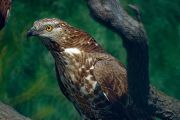
On this “Buzzards Day”, we celebrate the return of buzzards from winter migration and, although not native to the United States, we celebrate pest controlling honey buzzards as well. Turkey vultures, aka turkey buzzards, have a strange self-defense strategy. To ward off predators, they are capable of projectile vomiting their last meal up to 10 feet…gross…but effective. Do not startle these birds on their return flight from migration!! Check out […]

Continue Reading →

New study explores whether diet and blood sugar affect cancer risk

A new study published by researchers at Arizona State University, led by Dr. Carlo Maley, in Nature Communications set out to examine whether vertebrates that have high blood sugar are at greater risk of developing cancer. The current study follows on the heels of prior work by his team that was published in Evolution, Medicine, and Public Health last summer showing that cancer prevalence is lower in birds than other […]

Continue Reading →

Ever wonder how polar bears stay warm?

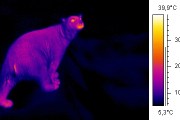
On this “National Polar Bear Day”, we explore how these formidable animals keep warm. Arctic polar bears, Ursus maritimus, live in very cold environments where temperatures are often colder than a home freezer and can dip as low as -40 degrees C. They thrive on ice and routinely hunt and swim in ice-cold water. Unlike humans, and many other mammals for that matter, polar bears have several characteristics that help […]

Continue Reading →