Illnesses and Injuries

Primed for survival: How sea hares inspire new clues to protect the brain from low oxygen conditions such as stroke

Sea hares (Aplysia californica) live in coastal environments where oxygen levels can fluctuate unpredictably. Knowing this, researchers set out to explore how these animals tolerate regular exposure to hypoxia (low oxygen) with the hope of discovering clues that could teach us how to protect humans from hypoxia-related conditions, such as stroke. To do this, they compared offspring from two types of parents: those collected from the wild that likely experienced […]

Continue Reading →

Why leadership stresses everyone out: From birds to bosses

From birds to people, research demonstrates that leadership roles can be really stressful. In this post, let’s explore the physiology of stress and how it affects such relationships. Stress as defined by the founder of Stress Theory, Dr. Hans Selye (1907-1982), is the “nonspecific response of the body to any demand” (Tan and Yip, 2018). Our bodies were designed to deal will short bouts of stress by releasing special stress […]

Continue Reading →

When fasting bites back: The bile dilemma in tiger sharks

Happy Shark Week!! In this post, we take a look at how fasting may harm young tiger sharks. Sharks LOVE to eat fish, which are packed with protein and fats. In fact, fat is a major energy source for sharks and high levels of circulating fats are associated with better body conditions in tiger sharks. To handle their diet, sharks need healthy livers and gallbladders to produce and release bile, […]

Continue Reading →

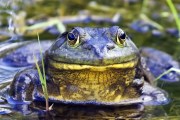
Brain Power on a Budget: How Bullfrogs Survive Without Oxygen

Did you know that your brain is really greedy? It uses about 5.7 kilograms of ATP every day, which is an incredible amount of energy! To keep up with such demand, the brain depends on an adequate supply of oxygen and nutrients, such as glucose. When oxygen or nutrient delivery are limited, like during a heart attack, stroke or in low-oxygen environments, the brain is unable to produce enough ATP […]

Continue Reading →

Time machine: The discovery of heparin

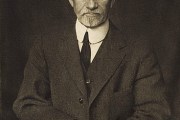
In this post, we take a step back in time to feature two legacy articles published in the American Journal of Physiology, written by Jay McClean and Dr. William Howell who studied the physiology of blood clotting. With the 2025 American Physiology Summit taking place in Baltimore, it is only fitting that we take a step back in time to celebrate their important discoveries. Dr. Howell was born in Baltimore, […]

Continue Reading →

On the path to preventing white-nose syndrome

This Halloween, we are checking in with our “bat-ty” friends. North American populations of bats have been severely decreased by a deadly fungus, known as Pseudogymnoascus destructans, which results in a disease called ‘white-nose syndrome’. There are currently 13 species of hibernating bats known to have been impacted by the disease (Center for Biological Diversity). Having toured a cave recently, our guide ensured that everyone decontaminated their shoes before entering […]

Continue Reading →

Physiology on the Road: Midland physiologists search for answers

The Midland Society of Physiological Sciences, comprised of physiologists in Nebraska, South Dakota, and North Dakota is hosting their annual chapter meeting this weekend at the University of South Dakota. Dr. Javier Stern, Distinguished University Professor and Director of the Center for Neuroinflammation and Cardiometabolic Diseases at Georgia State University will present the Keynote lecture on the role of neuropeptides in the hypothalamus of the brain. The title of his […]

Continue Reading →

Physiology on the road: 17th annual Arizona Physiological Society conference

Physiologists in Arizona also shared their research this past weekend at the 17th annual Arizona Physiological Society conference held at the University of Arizona in Tucson. 2024 Arizona Physiological Society Established Scientist Keynote Address The Established Scientist Keynote Address was given by Dr. Meredith Hay, Professor and former Executive Vice President and Provost of The University of Arizona in Tucson. Dr. Hay also served as President of the American Physiological […]

Continue Reading →

Physiology on the Road: Mophys 2024!

The Missouri Physiological Society (mophys) is holding their annual chapter meeting tomorrow at the University of Missouri, Kansas City (UMKC) campus! Here are just some of the highlights showcasing ways in which physiologists in Missouri are advancing science and medicine: Felix Yang (Graduate student at the University of Missouri, Kansas City; Mentor: Dr. Xiang-Ping Chu) will present research on certain ion channels in the brain that are associated with detecting […]

Continue Reading →

Time Machine: Destruction of Red Corpuscles

In 1966, Dr. Peyton Rous of The Rockefeller Institute for Medical Research received the Nobel Prize in Physiology or Medicine for his discoveries on viral origins of some cancers. In an experiment, he collected cancerous connective tissue from a hen. He then filtered the tissue to remove bacteria as well as cancer cells and administered the purified filtrate to healthy chickens. The chickens that received the filtered substance began to […]

Continue Reading →