Nature’s Solutions

Spiders inspire way to help premature babies
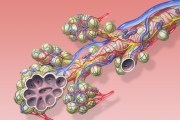
Surfactant is a lipoprotein substance that is secreted by special cells located in the alveoli of our lungs. The alveoli are the grape-like structures where gas exchange happens. Without surfactant, these alveoli would collapse and prevent gas exchange. Babies born prematurely often suffer from respiratory distress syndrome because their lungs do not make enough surfactant. Now researchers at the Karolinska Institute in Sweden have revolutionized the way surfactant is created by […]

Continue Reading →

Snakes to the rescue! Novel antiplatelet found in venom

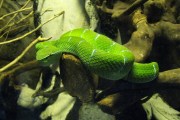
  Platelets are important in the formation of blood clots. For this reason, antiplatelet medications are commonly prescribed for people at risk of developing blood clots, or who have already developed one. Many of the medications that are currently on the market to treat blood clots come with a risk for excessive bleeding and reduced platelet numbers. Researchers have now discovered an effective antiplatelet protein in snake venom that is not associated excessive bleeding. […]

Continue Reading →

Zebrafish as models for human disease and drug development

Who would have thought tiny fish could lead to big advances in medicine? Zebrafish (Danio rerio) and mammals have similar anatomy and physiology of the brain, eyes, gut, and cardiovascular systems. Some of the reasons why these fish are good models to understand cardiovascular physiology were recently explored in a new article published in Physiological Reviews. Animal models are used in research that seeks to understand both normal physiological mechanisms as well […]

Continue Reading →

Competition horses calmed by lavender

While lavender aromatherapy has been documented to reduce stress in humans, little is known about its potential for reducing stress in veterinary medicine. Horses can develop elevated heart rates and stress hormone levels when they are confined to horse trailers and transported to new competition venues. Therapies to reduce stress in competition horses are regulated and often prohibit the use of sedatives or oral supplements. Kylie Heitman, an undergraduate student at […]

Continue Reading →

Experimental Biology 2017 – Day 5

Here are the highlights from the final day of the meeting: Carbon monoxide (CO) is not all that bad: Michael Tift, graduate student at Scripps Institute of Oceanography, described how the body naturally produces CO when red blood cells are broken down and CO can actually be protective against inflammation at low doses. His research was focused on measuring whether species that have more hemoglobin (from living in hypoxic environments) also have […]

Continue Reading →

Guest Blog: Liver genes of Cope’s gray treefrog provide clues to low temperature and freezing

Dr. Clara do Amaral is a postdoctoral fellow at the University of Dayton in Ohio where she studies freeze tolerance in frogs. She received a Research Recognition Award from the Comparative and Evolutionary Physiology section of the American Physiological Society at the 2017 Experimental Biology meeting in Chicago, IL. She prepared this award-winning guest blog entry to describe her interesting research: The Cope’s gray treefrog is a small frog that occurs in […]

Continue Reading →

Synthetic peptide inspired by Komodo dragon blood speeds wound healing

Researchers at George Mason University have created a synthetic version of a peptide found in the blood of Komodo dragons (Varanus komodoensis). They dubbed the synthetic peptide DRGN-1. Living up to its name, DRGN-1 proved to be pretty tough against microbes (Pseudomonas aeruginosa and Staphylococcus aureus) as well as biofilms. Bacteria stick together to create biofilms that attach to surfaces and help to protect themselves during an infection. Even infected wounds healed faster when they were treated with […]

Continue Reading →

Secrets to Longevity

A new article published in Physiological Reviews compared some remarkable similarities and differences between naked mole rats and humans. Both are relatively long-lived, highly social and have low natural selection pressures. But, this is about all they have in common. While humans are prone to developing age-related cancer, diabetes, heart disease and dementias, naked mole rats are rather resistant to these diseases. Instead, naked mole rats appear to maintain a youthful […]

Continue Reading →

Need pest control, get a spider

A new study shows that globally, spiders consume 400-800 million tons of prey each year. That’s roughly more than double the amount of fish and meat that humans consume. Impressive…yet creepy at the same time. I suppose we should thank them for their pest control efforts. https://youtu.be/GoEXZTRMMrw Sources: M Nyffeler, K Birkhofer. An estimated 400–800 million tons of prey are annually killed by the global spider community. The Science of Nature. 104: 30, […]

Continue Reading →