Physiology on the Road

The Integrative Biology of Exercise VII – Day 2
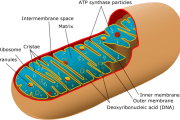
Mitochondria produce more than just ATP Pinchas Cohen from the University of California – Davis presented data showing that mitochondria produce more than just ATP. They also make several peptides that can each affect our physiology. Some help cells respond to insulin better, some help with weight, some regulate cell metabolism. What is even more impressive is that some of these peptides have been shown to slow down the development […]

Continue Reading →

The Integrative Biology of Exercise VII – Day 1

The opening session was great! Eric Hoffman (Children’s National Medical Center) presented work on chronic inflammatory diseases in children. He mentioned that while diets high in fats and carbohydrates (i.e. Western diets), obesity and sedentary lifestyles are associated with inflammation and related diseases (ex: asthma, type 2 diabetes), another contributor could be hormones. Kids who stay indoors more often have reduced exposure to sunlight and exercise less. This may alter the normal biological clock of […]

Continue Reading →

Physiology 2016

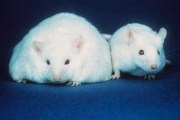
I am very excited to report that the American Physiological Society in partnership with The Physiological Society held a joint meeting from July 29-31 in Dublin, Ireland. The keynote lectures were given by Dr. Jerry Friedman from Rockefeller University and Dr. W Jon Lederer from the University of Maryland.   Dr. Friedman spoke about his research on obesity and how genetic factors might play a role. In fact, his team was […]

Continue Reading →

Recap of 2016 Michigan Physiological Society

The Michigan Physiological Society, a chapter of the American Physiological Society, held their 3rd annual meeting last week. As mentioned in a prior post, the keynote address was given by Comparative Physiologist Dr. Hannah Carey (University of Wisconsin School of Veterinary Medicine). You can read about her research in the prior post. Here are other highlights from the meeting: Seminars: or as I prefer to view them… Kelsy Kusch (Undergraduate Student, […]

Continue Reading →

2016 Michigan Physiological Society Meeting

I am very excited about the upcoming 3rd annual Michigan Physiological Society Meeting on May 12-13 in Detroit. This society is a local chapter of the American Physiological Society. I am most excited by their choice of a Comparative Physiologist for the keynote address: Dr. Hannah V. Carey from the University of Wisconsin School of Veterinary Medicine. Dr. Carey is a Past-President of the American Physiological Society. She will be presenting […]

Continue Reading →

Experimental Biology – Day 5

Today was the final day of the meeting. Dr. Joe Thompson (Franklin and Marshall College) spoke about oblique striated muscles, which get their name from the diagonal pattern formed by the location of the Z-lines. This type of muscle is common among cephalopods, nematodes, tunicates, molluscs, etc. Dr. John Whiteman (University of Wyoming) gave a fascinating talk about polar bears and whether hunting on the shore as compared to the sea […]

Continue Reading →

Experimental Biology – Day 3

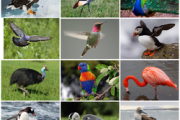
I LOVE THIS MEETING! DAY 3 included several very interesting comparative physiology sessions. Eldon Braun (University of Arizona) spoke about how birds have a unique way to prevent water loss and thereby dehydration. In mammals, the kidneys are responsible for recovering water from the urine. However when birds are well-hydrated, the urine enters the colon and moves backwards up the gastrointestinal tract to facilitate water reabsorption prior to voiding the […]

Continue Reading →

Experimental Biology 2016 – Day 4

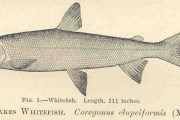
Still going strong…here are the highlights from several sessions held on Day 4: John Eme (California State University, San Marcos) presented data testing the effects of varying temperatures mimicking overwintering conditions on embryonic development of Lake whitefish. He found that indeed exposure to variable incubation temperatures between 2-8 deg C resulted in increased mortality. Moreover, the embryos hatched earlier and were smaller than animals exposed to constant temperatures. Nariman Hossein-Javaheri et al., (University […]

Continue Reading →

Experimental Biology 2016 – August Krogh Distinguished Lecturer: Dr. Jon Harrison

This year’s August Krogh Distinguished lecture, the highest award given to an accomplished Comparative Physiologist from the Comparative and Evolutionary Physiology section of the American Physiological Society was awarded to Dr. Jon Harrison, Arizona State University. Dr. Harrison gave an outstanding seminar in which he reviewed some of his major research discoveries. His work has included examining how insects tolerate various temperatures and how changes in the levels of atmospheric […]

Continue Reading →