Physiology on the Road

2024 August Krogh Award Recipient: Dr. Martin Grosell

Congratulations to Dr. Martin Grosell, recipient of the 2024 August Krogh Distinguished Lectureship from the Comparative and Evolutionary Physiology section of the American Physiological Society! Dr. Grosell is professor and chair of the Department of Marine Biology and Ecology at the University of Miami Rosenstiel School of Marine, Atmospheric, and Earth Science in Florida. The Krogh award is sponsored by Novo Nordisk Foundation and is awarded to a member of […]

Continue Reading →

Guest Blog: Fasting as a strategy to build athletic diving capacity

Kaitlin Allen is a graduate student at the University of California, Berkeley where she studies the physiology of elephant seals in the laboratory of Dr. José Pablo Vázquez-Medina. She received the 2024 Dr. Dolittle Travel Award from the Comparative and Evolutionary Physiology section of the American Physiological Society to attend the 2024 American Physiology Summit in Long Beach, CA (April 4-7). Kaitlin prepared this award-winning guest blog entry to describe […]

Continue Reading →

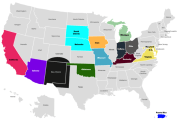
Physiology on the road: What’s happening in Arizona

The Arizona Physiological Society held their 16th annual meeting this past weekend at Midwestern University in Glendale, Arizona. The Arizona Established Scientist Keynote Speaker was Dr. Christopher Glembotski, Professor of Internal Medicine and Director of the Translational Cardiovascular Research Center at the University of Arizona, Phoenix campus. Ischemic diseases, such as strokes and heart attacks, disrupt the normal functioning of the endoplasmic reticulum, which alters protein production and folding. His […]

Continue Reading →

Physiology on the Road: What’s happening in the Midlands

The Midlands Society of Physiological Sciences held their annual conference on October 21st at the University of Nebraska Medical Center. The Keynote Lecture was given by Dr. Manolis Kellis, Professor at Massachusetts Institute of Technology. He spoke about the use of artificial intelligence approaches to examine how fly and human genes are regulated. Other highlights: Anuj Singh (University of Nebraska Medical Center): Opioid use is a major healthcare concern and […]

Continue Reading →

Physiology on the Road: “Physiology in Ohio, The Heart of it All!”

The Ohio Physiological Society met October 6-7th at The University of Toledo located in Toledo, OH. True to the name of this year’s conference, the Keynote address was given by Dr. Joseph Wu, Director of the Stanford Cardiovascular Institute and current president of the American Heart Association. His research focuses on congenital heart disease in adults as well as cardiovascular imaging. His most recent clinical trials involve testing bone-derived stem […]

Continue Reading →

Physiology on the road: What’s happening in Missouri

This time of year is perfect for catching up on local physiology news. For the next few posts, we are going to take a tour around the country to learn what’s going on in some of the chapters of the American Physiological Society… First stop: the Missouri Physiological Society, otherwise known as “mophys”. Mophys is an independent chapter of the American Physiological Society. They held their annual meeting on September […]

Continue Reading →

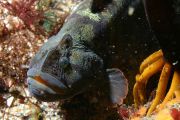
Meet the monkeyface prickleback (that is not a typo):

Someone must have seen a resemblance to monkeys when naming these animals. Adult monkeyface pricklebacks, Cebidichthys violaceus, weigh around 6 pounds and can grow up to 2.5 feet long. They can live up to about 18 years of age. Despite their appearance, they are not eels, although their eel-like shape allows them to hide in crevices. They are native to the California coast and their home range is only a […]

Continue Reading →

Cardioprotective adaptations to high altitude

While studies have shown that Tibetans protect their tissues from damage caused by low oxygen levels at high altitude, other studies have shown that people adapted to life in the Andes mountains have genetic variations that protect their hearts. In a recent study presented at the 2023 American Physiology Summit, scientists discovered that 68% of Andean highlanders carry a single nucleotide variation in the gene responsible for encoding the protein […]

Continue Reading →

Understanding hypoxia tolerance

Hypoxia associated with ischemic stroke, heart attacks, and solid tumors causes significant pathologies in humans. However, some populations of humans that have lived at high altitudes for generations have adaptations that provide some measures of hypoxia tolerance that may lend insight into treatments for pathological hypoxia in disease states.    Researchers seeking to understand hypoxia tolerance compared the genome of Andean and Ethiopian highlander populations with the genome of Drosophila […]

Continue Reading →

Sniffing out pathogens

Rainbow trout are able to mount an immune response after simply smelling a virus or bacteria, even before they are infected. In a new study shared at the 2023 American Physiology Summit, researchers examined whether smell-induced activation of the immune response also triggers avoidance behaviors in the fish. By creating a maze that included a pathogen at one end, they discovered that the fish do in fact avoid the smell […]

Continue Reading →