Stress

Health risks of being social

When I think of rainbow trout, the first image that comes to mind is usually something like this: In the wild, they look more like this: …not as appetizing, but a lot more fascinating.  When salmonid fish like rainbow trout are in environments with limited food or space, they form social hierarchies. In one study of limited food availability, Grobler et al., found that when they placed 4 rainbow trout […]

Continue Reading →

#5: Competition horses calmed by lavender

In looking back over the history of the blog, I thought it would be fun to take another glimpse at the top 5 most popular posts in 2017 thus far… While lavender aromatherapy has been documented to reduce stress in humans, little is known about its potential for reducing stress in veterinary medicine. Horses can develop elevated heart rates and stress hormone levels when they are confined to horse trailers […]

Continue Reading →

Competition horses calmed by lavender

While lavender aromatherapy has been documented to reduce stress in humans, little is known about its potential for reducing stress in veterinary medicine. Horses can develop elevated heart rates and stress hormone levels when they are confined to horse trailers and transported to new competition venues. Therapies to reduce stress in competition horses are regulated and often prohibit the use of sedatives or oral supplements. Kylie Heitman, an undergraduate student at […]

Continue Reading →

The Integrative Biology of Exercise VII – Day 1

The opening session was great! Eric Hoffman (Children’s National Medical Center) presented work on chronic inflammatory diseases in children. He mentioned that while diets high in fats and carbohydrates (i.e. Western diets), obesity and sedentary lifestyles are associated with inflammation and related diseases (ex: asthma, type 2 diabetes), another contributor could be hormones. Kids who stay indoors more often have reduced exposure to sunlight and exercise less. This may alter the normal biological clock of […]

Continue Reading →

In the meantime, I think I’ll hibernate

I just read an interesting blog from the I Spy Physiology website sponsored by the American Physiological Society which described results from a recent study suggesting that chronic fatigue syndrome (CFS) might be a human equivalent to hibernation. Chronic fatigue syndrome reportedly affects over 2.5 million people in the United States alone. People with this condition have the type of fatigue that does not seem to improve, even with adequate sleep. By examining the blood […]

Continue Reading →

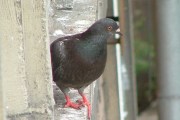
Pigeons in the lead mine?

With reported lead poisonings in cities such as Flint Michigan, methods to detect risk of exposure are desperately needed. Since pigeons live in close proximity to humans, could pigeons be the ‘canary in the lead mine’? Researchers at Columbia University in New York City measured the concentrations of lead in the blood of 825 ill or injured feral pigeons to determine whether the animals could serve as bioindicators of levels in the environment. Their results were published […]

Continue Reading →