
Urbanization

Pigeons in the lead mine?
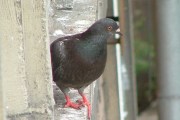
With reported lead poisonings in cities such as Flint Michigan, methods to detect risk of exposure are desperately needed. Since pigeons live in close proximity to humans, could pigeons be the ‘canary in the lead mine’? Researchers at Columbia University in New York City measured the concentrations of lead in the blood of 825 ill or injured feral pigeons to determine whether the animals could serve as bioindicators of levels in the environment. Their results were published […]
Continue Reading →

Protecting the Great Lakes

In a prior post summarizing the annual Michigan Physiological Society Meeting, I briefly mentioned the work from Adrian Vasquez, Milad Qazazi, Andrew Failla, Sanjay Rama, Samuel Randall, and Jeffrey Ram from Wayne State University, Detroit, MI). They were exploring the diversity of water mites, a type of arachnid, in Western Lake Erie and they found a mixture of both native and invasive species. Dr. Jeffrey Ram, Professor at the School of Medicine at […]

Continue Reading →

Pesticide confuses bees

A new study conducted by researchers at the University of Guelph found that the use of certain pesticides impacts wildflower pollination by bees. According to a quote by study author Nigel Raine, published in CBCNews, the use of neonicotinoid-type pesticides “modify the way in which information flows through the nervous system.” The research team found that bees gather pollen more frequently, but less efficiently, when exposed to the pesticide compared to […]

Continue Reading →