Physiology on the road: What’s happening in Missouri

This time of year is perfect for catching up on local physiology news. For the next few posts, we are going to take a tour around the country to learn what’s going on in some of the chapters of the American Physiological Society… First stop: the Missouri Physiological Society, otherwise known as “mophys”. Mophys is an independent chapter of the American Physiological Society. They held their annual meeting on September […]

Continue Reading →

What do you get when you cross a dog and a fox?

Answer: A really cool hybrid (above). In 2021, someone brought a “dog” to a rehabilitation center in Vacaria, Brazil that had been injured by a car. However, upon further examination, they discovered she wasn’t a dog. She also preferred to eat rats over boring dog food. Disruptions of natural habitats in South America have led to increasing interactions between wild canids and domestic dogs. In this case, scientists discovered the […]

Continue Reading →

Immune to cancer

Bats are known for their strong immune systems and impressive longevity. In fact, some species live 20 years or more in the wild. Unlike many long-lived species, however, cancer is a rare occurrence in bats. A new study published in Genome Biology and Evolution examined the link between immune function and cancer resistance in bats. The team characterized the genome of Jamaican fruit bats (Artibeus jamaicensis) and Mesoamerican mustached bats […]

Continue Reading →

The physiology of ‘frogsicles’ and the quest for life after death

Cope’s gray treefrogs, Dryophytes chrysoscelis, are remarkable animals that can actually survive being frozen…multiple times each year. In fact, these animals live in an environment in which temperatures commonly dip below freezing. When temperatures drop, up to 65% of their body water literally freezes. In anticipation of freezing temperatures, they begin to accumulate cryoprotectant chemicals during the fall to help protect their organs. Until now, the effects of repeated cycles […]

Continue Reading →

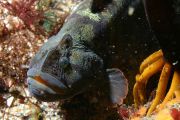
Meet the monkeyface prickleback (that is not a typo):

Someone must have seen a resemblance to monkeys when naming these animals. Adult monkeyface pricklebacks, Cebidichthys violaceus, weigh around 6 pounds and can grow up to 2.5 feet long. They can live up to about 18 years of age. Despite their appearance, they are not eels, although their eel-like shape allows them to hide in crevices. They are native to the California coast and their home range is only a […]

Continue Reading →

Scientists find clues to tissue regeneration and aging in Hydractinia

Most complex animals, like humans, lack the ability to regenerate. In contrast, some simpler life forms are able to regenerate tissues and sometimes their whole body, if necessary. In a new study published in Cell Reports, scientists discover clues to tissue and whole-body regeneration in cnidarian Hydractinia symbiolongicarpus. They discovered that aging cells send out signals that transform neighboring cells into stem cells. These stem cells are then able to […]

Continue Reading →

Leaf extract shows promise in model of Alzheimer’s Disease

Alzheimer’s disease affects approximately 1 in 9 adults (10.7%) over the age of 65 years (Alzheimer’s Association). Oxidative stress and the progressive loss of cholinergic neurons, which produce the neurotransmitter acetylcholine, are thought to be a major cause of memory loss associated with Alzheimer’s Disease. For this reason, current treatments include efforts to increase levels of acetylcholine in the brain. Medications known as cholinesterase inhibitors help treat memory loss by […]

Continue Reading →

Meet the honey possum

Meet the honey possum (Tarsipes rostratus). These animals are small and rather unusual marsupials with few teeth and a specially adapted tongue to aid in the consumption of a diet consisting of only nectar and pollen. Because they feed primarily at night, rely on fresh flowers, and tend to stress easily, they are difficult to study. In fact, their adrenal gland, which produces the stress hormone cortisol, weighs about 1,600 […]

Continue Reading →

Cardioprotective adaptations to high altitude

While studies have shown that Tibetans protect their tissues from damage caused by low oxygen levels at high altitude, other studies have shown that people adapted to life in the Andes mountains have genetic variations that protect their hearts. In a recent study presented at the 2023 American Physiology Summit, scientists discovered that 68% of Andean highlanders carry a single nucleotide variation in the gene responsible for encoding the protein […]

Continue Reading →

Can carbon monoxide be a good thing at high altitude?

Although carbon monoxide inhalation is dangerous because it can cause blood poisoning, research suggests that production of carbon monoxide in the body may actually protect cells during exposure to hypoxic environments as well as during ischemic-reperfusion injuries. Carbon monoxide is produced in the body by the enzyme heme oxygenase. This enzyme is responsible for converting heme into biliverdin and generates carbon monoxide in the process. Interestingly, carbon monoxide levels are […]

Continue Reading →