Tag Archive for ‘American Physiological Society’

Study examines how statin exposure affects cholesterol metabolism in fish

Despite its bad reputation, cholesterol serves many important functions in the body. It is necessary for normal cell structure and is a precursor for the formation of steroid hormones, vitamin D, and bile acids. Too much “bad” cholesterol (LDL), however, can promote cardiovascular diseases and nonalcoholic fatty liver disease. For this reason, many animals tightly regulate cholesterol levels in the body. Fish often have higher cholesterol levels than humans and […]

Continue Reading →

Is it just a fluke?

Lung flukes, Hematoloechus sp., are pesky little parasites. Up to 89 species of lung flukes have been identified to date. Their life cycle includes two intermediate hosts, the first of which are freshwater snails that swallow fluke eggs. After ingestion, the eggs hatch and produce a larval form of the parasite called cercaria, which are shed from the snails and taken up by damselflies or dragonflies. These are quite the […]

Continue Reading →

New paper explores how our complex kidneys evolved

The kidneys are remarkable organs responsible for filtering blood and creating urine. To learn more about how they do this, check out this YouTube video: The evolution of glomerular filtration is what allows animals to regulate the disposal of ions such as calcium, magnesium, sodium, potassium, and sulfate. Some solutes are reabsorbed from the urine and returned to the body with the help of sodium ions, whereas other solutes are […]

Continue Reading →

The physiology of ‘frogsicles’ and the quest for life after death

Cope’s gray treefrogs, Dryophytes chrysoscelis, are remarkable animals that can actually survive being frozen…multiple times each year. In fact, these animals live in an environment in which temperatures commonly dip below freezing. When temperatures drop, up to 65% of their body water literally freezes. In anticipation of freezing temperatures, they begin to accumulate cryoprotectant chemicals during the fall to help protect their organs. Until now, the effects of repeated cycles […]

Continue Reading →

Meet the monkeyface prickleback (that is not a typo):

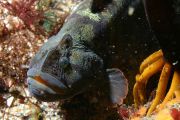
Someone must have seen a resemblance to monkeys when naming these animals. Adult monkeyface pricklebacks, Cebidichthys violaceus, weigh around 6 pounds and can grow up to 2.5 feet long. They can live up to about 18 years of age. Despite their appearance, they are not eels, although their eel-like shape allows them to hide in crevices. They are native to the California coast and their home range is only a […]

Continue Reading →

Leaf extract shows promise in model of Alzheimer’s Disease

Alzheimer’s disease affects approximately 1 in 9 adults (10.7%) over the age of 65 years (Alzheimer’s Association). Oxidative stress and the progressive loss of cholinergic neurons, which produce the neurotransmitter acetylcholine, are thought to be a major cause of memory loss associated with Alzheimer’s Disease. For this reason, current treatments include efforts to increase levels of acetylcholine in the brain. Medications known as cholinesterase inhibitors help treat memory loss by […]

Continue Reading →

Cardioprotective adaptations to high altitude

While studies have shown that Tibetans protect their tissues from damage caused by low oxygen levels at high altitude, other studies have shown that people adapted to life in the Andes mountains have genetic variations that protect their hearts. In a recent study presented at the 2023 American Physiology Summit, scientists discovered that 68% of Andean highlanders carry a single nucleotide variation in the gene responsible for encoding the protein […]

Continue Reading →

Can carbon monoxide be a good thing at high altitude?

Although carbon monoxide inhalation is dangerous because it can cause blood poisoning, research suggests that production of carbon monoxide in the body may actually protect cells during exposure to hypoxic environments as well as during ischemic-reperfusion injuries. Carbon monoxide is produced in the body by the enzyme heme oxygenase. This enzyme is responsible for converting heme into biliverdin and generates carbon monoxide in the process. Interestingly, carbon monoxide levels are […]

Continue Reading →

Understanding hypoxia tolerance

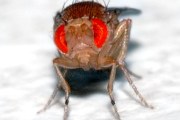
Hypoxia associated with ischemic stroke, heart attacks, and solid tumors causes significant pathologies in humans. However, some populations of humans that have lived at high altitudes for generations have adaptations that provide some measures of hypoxia tolerance that may lend insight into treatments for pathological hypoxia in disease states.    Researchers seeking to understand hypoxia tolerance compared the genome of Andean and Ethiopian highlander populations with the genome of Drosophila […]

Continue Reading →

Sniffing out pathogens

Rainbow trout are able to mount an immune response after simply smelling a virus or bacteria, even before they are infected. In a new study shared at the 2023 American Physiology Summit, researchers examined whether smell-induced activation of the immune response also triggers avoidance behaviors in the fish. By creating a maze that included a pathogen at one end, they discovered that the fish do in fact avoid the smell […]

Continue Reading →