Tag Archive for ‘American Physiology Summit’

What sea turtles can teach us about hypoxia tolerance

Imagine being able to explore the Earth’s oceans without needing special oxygen equipment. Loggerhead sea turtles have this ability and can actually hold their breath for up to 7 hours! According to the Guiness Book of World Records, Budimir Šobat from Croatia set the record in 2021 for being able to hold his breath for 24 minutes and 37.36 seconds underwater. While quite remarkable, he would need to hold his […]

Continue Reading →

Gut-temperature axis in high altitude deer mice?

Dr. Graham Scott (McMaster University) presented intriguing research at the American Physiology Summit earlier this month in Long Beach, CA. His laboratory has been examining a potential link between the gut microbiome and the ability for deer mice to help regulate body temperature. Deer mice live in high elevations where atmospheric oxygen levels are low. This presents a physiological challenge as they have to use a lot of energy to […]

Continue Reading →

Flexible hypoxia tolerance in frogs

In a new study published in The Journal of Neuroscience and presented at the American Physiology Summit earlier this month, graduate student Nikolaus Bueschke, postdoctoral fellow Dr. Lara Amaral-Silva and Dr. Joseph Santin (University of Missouri, Columbia) together with researchers Min Hu and Alvaro Alvarez (University of North Carolina at Greensboro), explored how bullfrogs (Lithobates catesbeianus) emerging from hibernation tolerate hypoxia while they kickstart physiological functions in ice-covered ponds. This […]

Continue Reading →

2024 August Krogh Award Recipient: Dr. Martin Grosell

Congratulations to Dr. Martin Grosell, recipient of the 2024 August Krogh Distinguished Lectureship from the Comparative and Evolutionary Physiology section of the American Physiological Society! Dr. Grosell is professor and chair of the Department of Marine Biology and Ecology at the University of Miami Rosenstiel School of Marine, Atmospheric, and Earth Science in Florida. The Krogh award is sponsored by Novo Nordisk Foundation and is awarded to a member of […]

Continue Reading →

Guest Blog: Fasting as a strategy to build athletic diving capacity

Kaitlin Allen is a graduate student at the University of California, Berkeley where she studies the physiology of elephant seals in the laboratory of Dr. José Pablo Vázquez-Medina. She received the 2024 Dr. Dolittle Travel Award from the Comparative and Evolutionary Physiology section of the American Physiological Society to attend the 2024 American Physiology Summit in Long Beach, CA (April 4-7). Kaitlin prepared this award-winning guest blog entry to describe […]

Continue Reading →

Meet the monkeyface prickleback (that is not a typo):

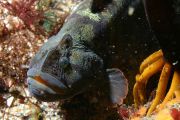
Someone must have seen a resemblance to monkeys when naming these animals. Adult monkeyface pricklebacks, Cebidichthys violaceus, weigh around 6 pounds and can grow up to 2.5 feet long. They can live up to about 18 years of age. Despite their appearance, they are not eels, although their eel-like shape allows them to hide in crevices. They are native to the California coast and their home range is only a […]

Continue Reading →

Leaf extract shows promise in model of Alzheimer’s Disease

Alzheimer’s disease affects approximately 1 in 9 adults (10.7%) over the age of 65 years (Alzheimer’s Association). Oxidative stress and the progressive loss of cholinergic neurons, which produce the neurotransmitter acetylcholine, are thought to be a major cause of memory loss associated with Alzheimer’s Disease. For this reason, current treatments include efforts to increase levels of acetylcholine in the brain. Medications known as cholinesterase inhibitors help treat memory loss by […]

Continue Reading →

Cardioprotective adaptations to high altitude

While studies have shown that Tibetans protect their tissues from damage caused by low oxygen levels at high altitude, other studies have shown that people adapted to life in the Andes mountains have genetic variations that protect their hearts. In a recent study presented at the 2023 American Physiology Summit, scientists discovered that 68% of Andean highlanders carry a single nucleotide variation in the gene responsible for encoding the protein […]

Continue Reading →

Can carbon monoxide be a good thing at high altitude?

Although carbon monoxide inhalation is dangerous because it can cause blood poisoning, research suggests that production of carbon monoxide in the body may actually protect cells during exposure to hypoxic environments as well as during ischemic-reperfusion injuries. Carbon monoxide is produced in the body by the enzyme heme oxygenase. This enzyme is responsible for converting heme into biliverdin and generates carbon monoxide in the process. Interestingly, carbon monoxide levels are […]

Continue Reading →

Understanding hypoxia tolerance

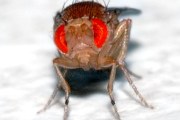
Hypoxia associated with ischemic stroke, heart attacks, and solid tumors causes significant pathologies in humans. However, some populations of humans that have lived at high altitudes for generations have adaptations that provide some measures of hypoxia tolerance that may lend insight into treatments for pathological hypoxia in disease states.    Researchers seeking to understand hypoxia tolerance compared the genome of Andean and Ethiopian highlander populations with the genome of Drosophila […]

Continue Reading →