Tag Archive for ‘animals’

No air? No problem: Nature’s ultimate survivalists

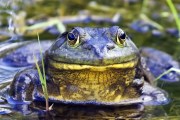
Hypoxia and anoxia tolerance was a hot topic at the 2025 American Physiology Summit last month. Here are the highlights: Hafsa Yaseen and Natalie Anne Heath presented their research from Dr. Joseph Santin’s laboratory at the University of Missouri exploring how adult bullfrogs (Aquarana catesbeianus) protect their brain function following hibernation, a period when oxygen and glucose levels are often very low. The team discovered that bullfrogs could adjust their […]

Continue Reading →

Weddell seals dampen inflammatory response to combat dive induced hypoxemia injury

We are very excited to share this winning guest blog post from Amy Klink, doctoral student at the University of Nevada – Las Vegas. Amy received the Dr. Dolittle travel award to present this research at the 2025 American Physiology Summit in Baltimore. Congratulations Amy! As a kid growing up in Lake County, Illinois, I spent more than half of my summer in some lake or body of water competing […]

Continue Reading →

Buzz-off! Nature’s hornet, wasp, bee and predator control

On this “Buzzards Day”, we celebrate the return of buzzards from winter migration and, although not native to the United States, we celebrate pest controlling honey buzzards as well. Turkey vultures, aka turkey buzzards, have a strange self-defense strategy. To ward off predators, they are capable of projectile vomiting their last meal up to 10 feet…gross…but effective. Do not startle these birds on their return flight from migration!! Check out […]

Continue Reading →

Ever wonder how polar bears stay warm?

On this “National Polar Bear Day”, we explore how these formidable animals keep warm. Arctic polar bears, Ursus maritimus, live in very cold environments where temperatures are often colder than a home freezer and can dip as low as -40 degrees C. They thrive on ice and routinely hunt and swim in ice-cold water. Unlike humans, and many other mammals for that matter, polar bears have several characteristics that help […]

Continue Reading →

Happy ‘Love Your Pet Day’! Show your love by blinking

Do you ever find yourself intentionally blinking when you notice other people blinking? It’s as if we all have something stuck in our eyes at the same time. A new study published in Royal Society Open Science found that dogs appear to have the same reaction when seeing other dogs blink, which suggests that blinking may be a form of non-verbal canine communication. They also observed increased blinking in response […]

Continue Reading →

Brain Power on a Budget: How Bullfrogs Survive Without Oxygen

Did you know that your brain is really greedy? It uses about 5.7 kilograms of ATP every day, which is an incredible amount of energy! To keep up with such demand, the brain depends on an adequate supply of oxygen and nutrients, such as glucose. When oxygen or nutrient delivery are limited, like during a heart attack, stroke or in low-oxygen environments, the brain is unable to produce enough ATP […]

Continue Reading →

Celebrating National Squirrel Appreciation Day: Recent discoveries about ground squirrel hibernation

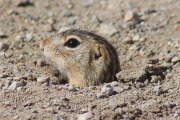
I am thrilled to have come across a calendar of fun and interesting “holidays” for all sorts of occasions, including celebrating nature and the animals around us. In honor of ‘National Squirrel Appreciation Day’, let’s take a moment to marvel at furry survival experts and the incredible science behind winter slumber in ground squirrels.     When temperatures drop, ground squirrels settle down for a long winter’s nap. During hibernation, their […]

Continue Reading →

Time Machine: Do horses produce more heat per day than humans, and what happened to Tusko?

In this post, we travel back to 1947 to explore a fascinating review by Dr. Max Kleiber from the University of California – Davis. Published in Physiological Reviews, this review examined the relationship between body size and metabolism. Simply asking the question of whether horses produce more heat per day than humans or rats will lead one to conclude that indeed they do because of their larger body size. However, […]

Continue Reading →

When Earth Roars: How Volcanoes Shape Life and Biodiversity

Two days ago, as families around the world gathered for the holidays, Mount Ruang in Indonesia erupted, sending ash and smoke high into the atmosphere. This highly active volcano has erupted more than 60 times since the 16th century, with several considered major events. This eruption marked the 4th in a series of eruptions in the last several days around the world including Nicaragua (Mount Masaya), Hawaii (Mount Kilauea), and […]

Continue Reading →