Tag Archive for ‘Diabetes’

Physiology on the Road: Midland physiologists search for answers

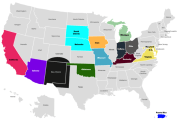
The Midland Society of Physiological Sciences, comprised of physiologists in Nebraska, South Dakota, and North Dakota is hosting their annual chapter meeting this weekend at the University of South Dakota. Dr. Javier Stern, Distinguished University Professor and Director of the Center for Neuroinflammation and Cardiometabolic Diseases at Georgia State University will present the Keynote lecture on the role of neuropeptides in the hypothalamus of the brain. The title of his […]

Continue Reading →

From Hibernation to Healing: Unlocking Genomic Secrets for Human Therapies

I was just cleaning my desk and came across an issue of The Physiologist Magazine from March that had ended up under a pile of papers., some of which were admittedly much older. Clearly, I should clean my desk more often. Anyway, in perusing the issue I came across a gem… The March issue featured Dr. Joanna Kelley, associate professor at the University of California Santa Cruz. Dr. Cruz was […]

Continue Reading →

Physiology on the Road: Mophys 2024!

The Missouri Physiological Society (mophys) is holding their annual chapter meeting tomorrow at the University of Missouri, Kansas City (UMKC) campus! Here are just some of the highlights showcasing ways in which physiologists in Missouri are advancing science and medicine: Felix Yang (Graduate student at the University of Missouri, Kansas City; Mentor: Dr. Xiang-Ping Chu) will present research on certain ion channels in the brain that are associated with detecting […]

Continue Reading →

Adapting to a fruit diet

In an interesting new study published in Nature Communications, researchers compared gene expression of Jamaican fruit bats (Artibeus jamaicensis) and insectivorous big brown bats (Eptesicus fuscus) to humans with diabetes. Fruit eating bats, in particular, intrigued researchers as their diet is high in sugars requiring the animals to rapidly regulate glucose to prevent diabetes-like complications. In fact, fruit bats are able to lower their blood sugar faster after a meal […]

Continue Reading →

Physiology on the road: What’s happening in Arizona

The Arizona Physiological Society held their 16th annual meeting this past weekend at Midwestern University in Glendale, Arizona. The Arizona Established Scientist Keynote Speaker was Dr. Christopher Glembotski, Professor of Internal Medicine and Director of the Translational Cardiovascular Research Center at the University of Arizona, Phoenix campus. Ischemic diseases, such as strokes and heart attacks, disrupt the normal functioning of the endoplasmic reticulum, which alters protein production and folding. His […]

Continue Reading →

Physiology on the road: What’s happening in Missouri

This time of year is perfect for catching up on local physiology news. For the next few posts, we are going to take a tour around the country to learn what’s going on in some of the chapters of the American Physiological Society… First stop: the Missouri Physiological Society, otherwise known as “mophys”. Mophys is an independent chapter of the American Physiological Society. They held their annual meeting on September […]

Continue Reading →

More than just “fireworks” – Fireflies may advance the treatment of epilepsy and other diseases

Ever wonder how fireflies light up the night? This Youtube video explains the physiology and biochemistry of firefly bioluminescence: Optogenetics Optogenetics is a field of science aimed at using light to activate, or inactivate, neurons and other cells. In exciting new research, scientists at Central Michigan University and Brown University are advancing the field of optogenetics by understanding the physiology of fireflies and other bioluminescent organisms. With this new research, […]

Continue Reading →

White-footed mice provide clues on the impact of prolonged exposure to light on health

Margaret Newport, graduate student in the laboratory of Dr. Holly Bates at Trent University presented results from her research on the effects of daylength (i.e. photoperiod) on body fat and circadian rhythm in white-footed mice at the 2021 Experimental Biology conference. Both photoperiod (length of daylight) as well as temperature naturally vary with changing seasons and can impact an organism’s physiology. To differentiate between the effects of temperature and photoperiod, the research team […]

Continue Reading →

Why pigs and people absorb more sugar from their diet than fish

Researchers at the University of Saskatchewan in Canada compared how pigs and fish absorb glucose (i.e. sugar) from the diet. They did this by measuring how well glucose moves across the intestinal wall. Their findings appear in the American Journal of Physiology – Regulatory, Integrative and Comparative Physiology.  Transport of dietary glucose from the gut to the blood is facilitated by glucose transporters that pick up glucose and move it […]

Continue Reading →

Low-calorie sweeteners – harmful or hype?

Researchers at Columbia University wanted to examine whether low-calorie sweeteners disrupt glucose tolerance as there are conflicting reports in both human and animal studies. Their results examining the link between low-calorie sweeteners and glucose regulation in mice are published in the upcoming issue of the American Journal of Physiology – Regulatory, Integrative and Comparative Physiology. In their first experiment, the research team found no differences in glucose tolerance or body […]

Continue Reading →