Tag Archive for ‘diet’

When fasting bites back: The bile dilemma in tiger sharks

Happy Shark Week!! In this post, we take a look at how fasting may harm young tiger sharks. Sharks LOVE to eat fish, which are packed with protein and fats. In fact, fat is a major energy source for sharks and high levels of circulating fats are associated with better body conditions in tiger sharks. To handle their diet, sharks need healthy livers and gallbladders to produce and release bile, […]

Continue Reading →

Time Machine: Is lactic acid really to blame for muscle fatigue?

Have you ever experienced muscle fatigue? You know the feeling where your muscles start to burn and no matter how hard you try, you simply cannot summon any more strength? It is often assumed that the burning sensation associated with muscle fatigue is due to lactic acid building up in the muscles. But is that the full story? In this time machine post, we examine the science behind muscle fatigue […]

Continue Reading →

“Hummingbirds of the Night”

A reference to nectar-feeding bats as “hummingbirds of the night” in a presentation at the 2025 American Physiology Summit in Baltimore last month caught my eye. What an appropriate nickname for bats that can have blood sugar levels exceeding 750 mg/dl after a meal! Sure, a hummingbird would think this was normal, but for a human these levels would warrant a trip to the emergency room. New research shared by […]

Continue Reading →

New study explores whether diet and blood sugar affect cancer risk

A new study published by researchers at Arizona State University, led by Dr. Carlo Maley, in Nature Communications set out to examine whether vertebrates that have high blood sugar are at greater risk of developing cancer. The current study follows on the heels of prior work by his team that was published in Evolution, Medicine, and Public Health last summer showing that cancer prevalence is lower in birds than other […]

Continue Reading →

To eat or not to eat, that is the question

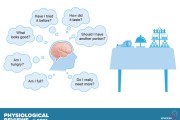
Ever wonder how your body knows when, what and how much to eat, what to crave, or when to stop? Have you ever found yourself indulging in a little extra during the holidays, even though you’re not actually hungry? It turns out, the science behind our eating habits is far more complicated than we realize— and it’s not just about willpower or self-control. A fascinating comprehensive review published by Watts […]

Continue Reading →

Time Machine: Nutritive significance of amino acids

In this Time Machine post, we travel back to 1938 to check out a manuscript on the importance of amino acids in nutrition authored by Dr. William Cumming Rose (1887-1985), professor of biochemistry at the University of Illinois, published in Physiological Reviews. His research on the importance of amino acids in the physiology of an organism culminated in 124 research, review or biographical articles and his receipt of the National […]

Continue Reading →

Meet the monkeyface prickleback (that is not a typo):

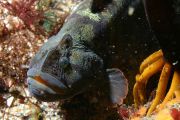
Someone must have seen a resemblance to monkeys when naming these animals. Adult monkeyface pricklebacks, Cebidichthys violaceus, weigh around 6 pounds and can grow up to 2.5 feet long. They can live up to about 18 years of age. Despite their appearance, they are not eels, although their eel-like shape allows them to hide in crevices. They are native to the California coast and their home range is only a […]

Continue Reading →

Arizona physiologists gathered recently for their annual meeting

The Arizona Physiological Society, a chapter of the American Physiological Society, hosted their 15th annual scientific meeting this past weekend! Here are some highlights… The Keynote Address was presented by Dr. Harold D Schultz, Professor in the Department of Cellular and Integrative Physiology at the University of Nebraska. His talk focused on the physiology of heart failure and how the nervous system regulates blood pressure. This year’s Arizona Distinguished Physiologist […]

Continue Reading →

Killer whales scare off sharks

A pair of killer whales, nicknamed ‘Port and Starboard’, has been terrorizing great white sharks. In recent years as many as 8 sharks (possibly more) have succumbed to the pair. Many of the discovered sharks were missing their fatty liver and sometimes their heart. While orca hunting escapades are not particularly newsworthy, the antics of these orcas have attracted the attention of scientists as they are altering the ecosystem. Once […]

Continue Reading →

Arizona Physiological Society’s annual conference: Part 2

Arizona’s physiologists met in October to talk about Rocky Mountain Spotted Fever, urbanization, the evolution of walking and vocalizations, snow leopards, and diet. Here are the highlights… Oral Presentations: Graduate student Luke Endicott from the Arizona College of Medicine at Midwestern University, working with R. Potter and Dr. C.R. Olson presented their research exploring how zebra finches learn to sing and the importance of vitamin A in this process. Does […]

Continue Reading →