Tag Archive for ‘health’

The gatekeepers of life: Exploring the complex role of GPCRs

Cell membranes are incredibly complex environments that play crucial roles in interacting with other cells, sensing specific molecules in the body, controlling what crosses the membrane, and other vital functions. The composition of these membranes varies between organs in an animal, between similar organs in different species, and even between individuals of the same species. Think of cell membranes as gatekeepers, responsible for detecting various chemical signals (such as ions […]


Continue Reading →

Brain Power on a Budget: How Bullfrogs Survive Without Oxygen

Did you know that your brain is really greedy? It uses about 5.7 kilograms of ATP every day, which is an incredible amount of energy! To keep up with such demand, the brain depends on an adequate supply of oxygen and nutrients, such as glucose. When oxygen or nutrient delivery are limited, like during a heart attack, stroke or in low-oxygen environments, the brain is unable to produce enough ATP […]

Continue Reading →

Time Machine: Do horses produce more heat per day than humans, and what happened to Tusko?

In this post, we travel back to 1947 to explore a fascinating review by Dr. Max Kleiber from the University of California – Davis. Published in Physiological Reviews, this review examined the relationship between body size and metabolism. Simply asking the question of whether horses produce more heat per day than humans or rats will lead one to conclude that indeed they do because of their larger body size. However, […]

Continue Reading →

How hummingbirds beat the heat

On this National Bird Day, let’s dive into some fascinating research about one of nature’s most amazing species: hummingbirds. Last spring, Dr. Derrick Groom and his team in The Avian Energetics Lab at San Francisco State University, including students Cecilia Doan and Christian Guerzon, presented their research at the 2024 American Physiology Summit. Their study explored how these tiny birds manage water loss in a warm environment (30 degrees C). […]

Continue Reading →

To eat or not to eat, that is the question

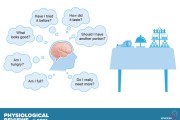
Ever wonder how your body knows when, what and how much to eat, what to crave, or when to stop? Have you ever found yourself indulging in a little extra during the holidays, even though you’re not actually hungry? It turns out, the science behind our eating habits is far more complicated than we realize— and it’s not just about willpower or self-control. A fascinating comprehensive review published by Watts […]

Continue Reading →

Microplastic Filters Inspired by Nature

Researchers have recently developed an innovative filter capable of removing over 95% of microplastics from water. This “biomass fibrous” foam filter, made from cotton-derived cellulose and chitin sourced from squid, retains its efficiency across at least five cycles of filtering lake, coastal, irrigation, and still water (Wu et al., 2024). Meanwhile, other scientists are studying the natural filtration mechanisms of marine animals like manta rays, whales, and fish gills to […]

Continue Reading →

The Science Behind Human Endurance Capabilities

Among mammals, humans are known for having exceptional endurance. For example, persistence hunters can run for 2-5 hours to wear out their prey, while marathoners routinely run ~4.5 hours on average (Schulte et al., 2015). Sure, a cheetah can run fast, but it can’t run as long as a human. How did humans develop such exceptional endurance? When vertebrates moved to dry land, they needed to develop lungs to extract […]

Continue Reading →

Time Machine: Nutritive significance of amino acids

In this Time Machine post, we travel back to 1938 to check out a manuscript on the importance of amino acids in nutrition authored by Dr. William Cumming Rose (1887-1985), professor of biochemistry at the University of Illinois, published in Physiological Reviews. His research on the importance of amino acids in the physiology of an organism culminated in 124 research, review or biographical articles and his receipt of the National […]

Continue Reading →

Little-known functions of the spleen: Q&A with Dr. Frank van Breukelen and Gilbecca Smith, University of Las Vegas

We are excited to feature Dr. Frank van Breukelen and his graduate student, Gilbecca Rae Smith, from the University of Las Vegas, Nevada. They presented exciting new research at the 2024 American Physiology Summit examining some little-known functions of the spleen.  Q: We often associate the spleen with its ability to filter blood and make white blood cells to fight infections. We don’t often consider the importance of its ability to […]

Continue Reading →

Thriving at high altitude

Humans have occupied high altitude environments for over 10,000 years, allowing ample time for some remarkable adaptations to hypoxia. Such adaptations we have already discussed in people living on the Tibetan Plateau (elevation: 4,500 meters on average) include higher breathing rates combined with lower levels of hemoglobin, the molecule that carries oxygen in the blood, compared to lowland populations, which helps prevent mountain sickness as well as the formation of […]

Continue Reading →