Tag Archive for ‘physiology’

Oh, the many things estrogens can do…in males
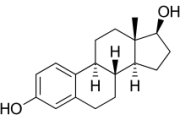
I came across an article published in Physiological Reviews with a title so irresistible (Estrogens in Male Physiology), I just had to read it. While I knew that males have estrogen, this article impressed me with the numerous things estrogens are associated with, some of which were new to me and highlight how important estrogens are to male reproductive and non-reproductive physiology. As early as the 1930’s researchers discovered that stallions had high […]

Continue Reading →

Experimental Biology – Day 1

Day 1 of the meeting was as inspiring as usual. The Porter Fellow Reunion Reception took place this evening. This 50 year-old program is designed to support trainees as they conduct research projects in physiology and learn to become independent researchers. It was amazing to see so many past and present fellows and to hear about their accomplishments since receiving the award. Following the Porter reception, I moseyed on over to the Walter B. Cannon memorial lecture. This […]

Continue Reading →

Carbon monoxide lowers breathing rate in fish too

  We tend to think of carbon monoxide (CO) only in terms of being a poisonous gas. The reason for its toxicity is due to its ability to bind really tightly to our hemoglobin molecules, which prevents oxygen from being able to bind. In mammals, CO also decrease breathing rate. As you can imagine, it is a pretty terrible gas to breath in when you are a species dependent on hemoglobin for delivery […]

Continue Reading →

Eating saturated fat is bad for the brain

I know this is not a comparative physiology topic, but this article caught my attention as I know I just ate a rather high fat meal last week for Thanksgiving and I plan to do the same throughout the holiday season. Insulin does more than just lowering blood sugar by increasing its uptake into tissues. It can also increase blood flow to the hippocampal region of the brain to help […]

Continue Reading →

The Integrative Biology of Exercise VII – Day 3

Highlights from Day 3!   The costs of being a father? Jacob Andrew et al. from the University of California – Riverside presented a poster examining the long-term effects of fatherhood in California mice (Peromyscus californicus). California mice are monogamous and biparental, like humans. This means that both parents participate in taking care of offspring. In prior research they found that first-time fathers did not experience many changes in their physiology, […]

Continue Reading →

Can bees experience positive emotions?

A new study was designed to test whether bees can experience some kind of primordial “emotions”. In the study bees were trained to associate a tunnel marked with a blue flower with a sugar water treat at its end. In contrast, a green flower meant no reward at the end of the tunnel. However, when bees were exposed to flowers with both hues, they either chose not to enter the tunnel or […]

Continue Reading →

Drug increases blood flow to the brain – Implications for stroke?

Researchers from Friedrich Schiller University (Jena, Germany) and Heinrich-Heine-University (Düsseldorf, Germany) teamed up to test whether a heart failure medication that is currently being tested might also improve blood flow in the brain. Their findings were published last month in the American Journal of Physiology, Heart and Circulatory Physiology. According to the study authors, the small blood vessels in the brains of sheep closely resemble those in the human brain. Using imaging techniques, they […]

Continue Reading →

Preventing muscle wasting in space?

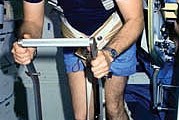
I recently went on a trip to visit the Endeavour space shuttle currently on display in Los Angeles. Seeing the shuttle up close brought back memories of watching the space shuttle launches on TV and the childhood dream of visiting other planets…a dream that also inspires Hollywood to continue to produce movies and TV shows about space exploration. Turns out, The Martian movie may soon become reality. In fact, NASA is working towards sending astronauts to […]

Continue Reading →

Frigatebirds and lambs

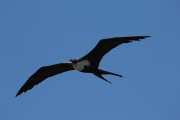
I was checking out the award-winning American Physiological Society’s I Spy Physiology blog and came across a couple of really interesting posts about animals: “If Only Birds Could Compete in the Summer Games” This post reported a study of how frigatebirds manage to sleep during flights out at sea that can last for weeks. By measuring brain activity, the research team found that the birds were capable of actual sleep, during which time both […]

Continue Reading →

Ceramides cause rainbow trout to eat less

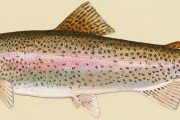
Ceramides are a type of sphingolipid composed of both fatty acids and sphingosine that are important in maintaining the structure of cell membranes and cell signaling pathways. Given their structure, it is perhaps not surprising that levels of ceramide are increased in the brains of mammals after eating a diet high in fats as well as in individuals who are obese.  In mammals, ceramides are also known to help regulate food intake. Since rainbow trout (Oncorhynchus […]

Continue Reading →