Aging

“Gatorcicles”

Freezing temperatures are no match for alligators. Recent images emerging from Texas and North Carolina show frozen ponds and swamps dotted with alligators. Similar to animals that experience torpor, alligators are able to reduce their metabolism and heart rate to as little as three beats per minute to survive freezing temperatures. This torpor-like state is called brumation. Poking their snouts above the ice before it freezes, allows them to continue […]

Continue Reading →

Physiology on the road: What’s happening in Arizona

The Arizona Physiological Society held their 16th annual meeting this past weekend at Midwestern University in Glendale, Arizona. The Arizona Established Scientist Keynote Speaker was Dr. Christopher Glembotski, Professor of Internal Medicine and Director of the Translational Cardiovascular Research Center at the University of Arizona, Phoenix campus. Ischemic diseases, such as strokes and heart attacks, disrupt the normal functioning of the endoplasmic reticulum, which alters protein production and folding. His […]

Continue Reading →

Physiology on the Road: What’s happening in the Midlands

The Midlands Society of Physiological Sciences held their annual conference on October 21st at the University of Nebraska Medical Center. The Keynote Lecture was given by Dr. Manolis Kellis, Professor at Massachusetts Institute of Technology. He spoke about the use of artificial intelligence approaches to examine how fly and human genes are regulated. Other highlights: Anuj Singh (University of Nebraska Medical Center): Opioid use is a major healthcare concern and […]

Continue Reading →

Immune to cancer

Bats are known for their strong immune systems and impressive longevity. In fact, some species live 20 years or more in the wild. Unlike many long-lived species, however, cancer is a rare occurrence in bats. A new study published in Genome Biology and Evolution examined the link between immune function and cancer resistance in bats. The team characterized the genome of Jamaican fruit bats (Artibeus jamaicensis) and Mesoamerican mustached bats […]

Continue Reading →

The physiology of ‘frogsicles’ and the quest for life after death

Cope’s gray treefrogs, Dryophytes chrysoscelis, are remarkable animals that can actually survive being frozen…multiple times each year. In fact, these animals live in an environment in which temperatures commonly dip below freezing. When temperatures drop, up to 65% of their body water literally freezes. In anticipation of freezing temperatures, they begin to accumulate cryoprotectant chemicals during the fall to help protect their organs. Until now, the effects of repeated cycles […]

Continue Reading →

Meet the monkeyface prickleback (that is not a typo):

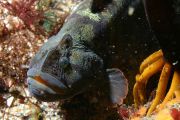
Someone must have seen a resemblance to monkeys when naming these animals. Adult monkeyface pricklebacks, Cebidichthys violaceus, weigh around 6 pounds and can grow up to 2.5 feet long. They can live up to about 18 years of age. Despite their appearance, they are not eels, although their eel-like shape allows them to hide in crevices. They are native to the California coast and their home range is only a […]

Continue Reading →

Scientists find clues to tissue regeneration and aging in Hydractinia

Most complex animals, like humans, lack the ability to regenerate. In contrast, some simpler life forms are able to regenerate tissues and sometimes their whole body, if necessary. In a new study published in Cell Reports, scientists discover clues to tissue and whole-body regeneration in cnidarian Hydractinia symbiolongicarpus. They discovered that aging cells send out signals that transform neighboring cells into stem cells. These stem cells are then able to […]

Continue Reading →

Understanding aging in dogs may help us all live longer

“Dog Aging Project” was founded by aging researchers Drs. Matt Kaeberlein and Daniel Promislow (University of Washington) along with Kate Creevy who is currently the Chief Veterinary Officer. The goal of the project is to examine how the environment affects healthy aging and longevity in dogs and to test anti-aging treatments. This research has the potential to also impact how we understand environmental risk factors for aging in humans as […]

Continue Reading →

Sleep prolongs lifespan

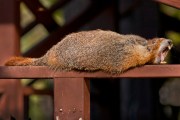
If only all mammals could hibernate. Studies have shown that some species of hibernating animals live longer and age more slowly than animals that do not hibernate. In fact, a recent study has shown that hibernation slows biological aging in yellow-bellied marmots. During hibernation, an animal’s metabolism slows to conserve energy. In the case of the yellow-bellied marmots, metabolism drops to only 1% of non-hibernating levels. The researchers observed that […]

Continue Reading →

Infertility is not an issue for naked mole rats

Naked mole-rats have attracted the attention of scientists once again. Not only do they live very long lives (30+ years), while typically avoiding cancer, females remain fertile their whole life. Unlocking their secrets to avoiding menopause may lead to new ways to treat infertility. New research has identified their tricks for lifelong fertility. It turns out that female naked mole-rats have 1.5 million egg cells (oocytes) when they are born, […]

Continue Reading →