Environment

Physiology on the road: Celebrating physiology in Indiana

I am excited to announce that the Indiana Physiological Society, a chapter of the American Physiological Society, is hosting their annual meeting tomorrow! The event will take place at the University of Southern Indiana. The keynote address will be given by Dr. Thad Wilson, renowned professor of physiology and educator at the University of Kentucky College of Medicine. The conference also includes hands-on activities to improve teaching in physiology. It […]


Continue Reading →

Understanding Giant Pandas’ Unique Bamboo Diet

Happy National Panda Day!! Today, we celebrate one of the most beloved animals around the world. Giant pandas, Ailuropoda melanoleuca, are native to China and are the only living member of the genus, Ailuropoda. Pandas are members of the carnivorous Ursidae bear family. However, they have evolved to eat a diet consisting of close to 99% bamboo. Their jaws, teeth, digestive system and even their paws with a “false thumb” […]

Continue Reading →

Buzz-off! Nature’s hornet, wasp, bee and predator control

On this “Buzzards Day”, we celebrate the return of buzzards from winter migration and, although not native to the United States, we celebrate pest controlling honey buzzards as well. Turkey vultures, aka turkey buzzards, have a strange self-defense strategy. To ward off predators, they are capable of projectile vomiting their last meal up to 10 feet…gross…but effective. Do not startle these birds on their return flight from migration!! Check out […]

Continue Reading →

Ever wonder how polar bears stay warm?

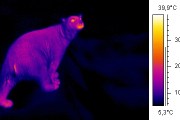
On this “National Polar Bear Day”, we explore how these formidable animals keep warm. Arctic polar bears, Ursus maritimus, live in very cold environments where temperatures are often colder than a home freezer and can dip as low as -40 degrees C. They thrive on ice and routinely hunt and swim in ice-cold water. Unlike humans, and many other mammals for that matter, polar bears have several characteristics that help […]

Continue Reading →

Surviving the heat: How humans and animals adapt to hot environments

Heat is a major physiological stressor that can damage proteins in the body, promote dehydration and even lead to death. Organisms living in hot environments must develop both behavioral and physiological mechanisms to prevent heat-related damage or illness. A recent review published in Physiology examined how humans and experimental animals adapt to heat (Laitano et al., 2025).    Organisms that tolerate heat effectively can maintain normal physiological functions even when […]

Continue Reading →

The gatekeepers of life: Exploring the complex role of GPCRs

Cell membranes are incredibly complex environments that play crucial roles in interacting with other cells, sensing specific molecules in the body, controlling what crosses the membrane, and other vital functions. The composition of these membranes varies between organs in an animal, between similar organs in different species, and even between individuals of the same species. Think of cell membranes as gatekeepers, responsible for detecting various chemical signals (such as ions […]

Continue Reading →

Brain Power on a Budget: How Bullfrogs Survive Without Oxygen

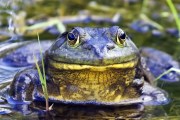
Did you know that your brain is really greedy? It uses about 5.7 kilograms of ATP every day, which is an incredible amount of energy! To keep up with such demand, the brain depends on an adequate supply of oxygen and nutrients, such as glucose. When oxygen or nutrient delivery are limited, like during a heart attack, stroke or in low-oxygen environments, the brain is unable to produce enough ATP […]

Continue Reading →

Celebrating National Squirrel Appreciation Day: Recent discoveries about ground squirrel hibernation

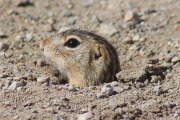
I am thrilled to have come across a calendar of fun and interesting “holidays” for all sorts of occasions, including celebrating nature and the animals around us. In honor of ‘National Squirrel Appreciation Day’, let’s take a moment to marvel at furry survival experts and the incredible science behind winter slumber in ground squirrels.     When temperatures drop, ground squirrels settle down for a long winter’s nap. During hibernation, their […]

Continue Reading →

How hummingbirds beat the heat

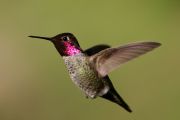
On this National Bird Day, let’s dive into some fascinating research about one of nature’s most amazing species: hummingbirds. Last spring, Dr. Derrick Groom and his team in The Avian Energetics Lab at San Francisco State University, including students Cecilia Doan and Christian Guerzon, presented their research at the 2024 American Physiology Summit. Their study explored how these tiny birds manage water loss in a warm environment (30 degrees C). […]

Continue Reading →

To eat or not to eat, that is the question

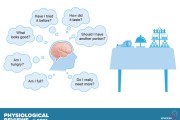
Ever wonder how your body knows when, what and how much to eat, what to crave, or when to stop? Have you ever found yourself indulging in a little extra during the holidays, even though you’re not actually hungry? It turns out, the science behind our eating habits is far more complicated than we realize— and it’s not just about willpower or self-control. A fascinating comprehensive review published by Watts […]

Continue Reading →