Reproduction and Development

Placental peptide reverses symptoms of preeclampsia
Preeclampsia is a serious complication that develops in about 5-8% of pregnant women. It is characterized by elevated blood pressure and is typically accompanied by excess protein in the urine (a sign of kidney problems). Symptoms often (but not always) return to normal after delivery of the baby. Elabela is a recently discovered micropeptide secreted by the placenta in mammals. It is also found in fish where it plays a […]
Continue Reading →

Spiders inspire way to help premature babies

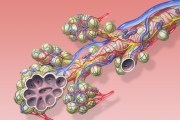
Surfactant is a lipoprotein substance that is secreted by special cells located in the alveoli of our lungs. The alveoli are the grape-like structures where gas exchange happens. Without surfactant, these alveoli would collapse and prevent gas exchange. Babies born prematurely often suffer from respiratory distress syndrome because their lungs do not make enough surfactant. Now researchers at the Karolinska Institute in Sweden have revolutionized the way surfactant is created by […]

Continue Reading →

How bird eggs got their shape

Ever wonder why bird eggs are shaped the way they are and what drives the variations in egg shapes across species? I never really wondered that either until I saw an article in Science that explained a possible reason…then I just HAD to know. Some theories had been proposed suggesting that their shape prevented eggs from rolling out of nests or otherwise sustaining damage, and so on. According to the new study, the […]

Continue Reading →

Oh, the many things estrogens can do…in males

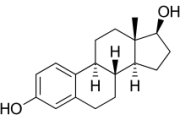
I came across an article published in Physiological Reviews with a title so irresistible (Estrogens in Male Physiology), I just had to read it. While I knew that males have estrogen, this article impressed me with the numerous things estrogens are associated with, some of which were new to me and highlight how important estrogens are to male reproductive and non-reproductive physiology. As early as the 1930’s researchers discovered that stallions had high […]

Continue Reading →

What do frogs and humans have in common?

Leptin is a hormone that signals the brain to suppress appetite in humans. While researchers at the University of Michigan described a similar appetite regulating role for leptin in South African clawed frogs (Xenopus), they also discovered that leptin signals limb development in tadpoles. They suspect that this happens once there are sufficient energy stores to begin the process of metamorphosis. Shalitin and Kiess (2017) also described a role for leptin in skeletal development of children and researchers implicate leptin in […]

Continue Reading →

Improved cognition in male turtles exposed to BPA during development

Bisphenol A (BPA) has earned a bad reputation as a potential endocrine disrupting chemical in several studies of developing animals. Some studies even report correlations of BPA levels with certain diseases in humans. Thus it is not surprising there are a plethora of BPA-free food containers, especially for baby food and bottles, as our most common route of exposure is through our diet. It gets there from the epoxy resin lining of some canned foods as […]

Continue Reading →

Ant ‘love’ hormone may help prevent preterm labor in humans

Happy Valentine’s Day! Inotocin is the insect form of the so-called “love” hormone oxytocin. Oxytocin, as you may know, is responsible for inducing labor in pregnant women. A recent study published in Scientific Reports describes the work of a team of researchers that created a synthetic version of inotocin which could bind to both oxytocin and vasopressin receptors in human tissues. Vasopressin is important for preventing water loss in the kidneys, which is how it gets […]

Continue Reading →

First known case of zebra shark switching to asexual reproduction

The story begins in 1999 when Leonie, a zebra shark (aka a leopard shark in Australia), was captured from the wild. In 2006 she was transferred to Reef HQ Aquarium in Queensland, Australia where she met her mate. By 2008, she had started laying eggs and the pair had multiple litters of offspring through sexual reproduction. After her mate was removed from the tank to prevent further breeding, she has shared the tank with […]

Continue Reading →

Why orcas go through menopause

Orcas are one of only three species of mammals that go through menopause, including humans of course. A new study published in Current Biology may have discovered why this happens in killer whales. Examination of 43 years worth of data collected by the Center for Whale Research and Fisheries and Oceans Canada, revealed a remarkable finding about the costs of reproduction in orcas. Older mothers tend to spend more time taking care […]

Continue Reading →