Vanishing birds
A new study published in Science reports startling results from a large study. We are facing a massive decline in birds in North America.

A new study published in Science reports startling results from a large study. We are facing a massive decline in birds in North America.

Bottlenose dolphins and humans have a lot in common…at least when it comes to developing resistance to antibiotics. After looking at over 700 pathogens collected from 171 wild Bottlenose dolphins captured in the Indian River Lagoon in Florida, researchers discovered that 88.2% of the pathogens were resistant to at least one antibiotic. The pathogens were especially resistant to erythromycin (91.6%) and ampicillin (77.3%). The animals were likely exposed to antibiotics […]

If you have ever been to a fast food restaurant, you may have noticed that people are not the only consumers of fast food. In fact, some species of birds are known to frequent fast food chains where they can get a quick meal of food leftover or intentionally dropped by customers. While people may delight in tossing our feathered friends a french fry on occasion, a new study published […]

Polar bears (Ursus maritimus) living near the southern Beaufort Sea are spending more time on land during the summer months than in years past as a result of climate change and melting sea ice. Researchers wanted to know whether bears that spent more time on land were exposed to more pathogens compared to those who spent more time on sea ice. Their results, published in the journal Physiological and Biochemical Zoology, showed […]
Have you seen this? A video just released by Yellowstone National Park talks about how some heat-loving microorganisms can break down plastics. Pretty cool. Not so cool was the recent finding published in the Proceedings of the Royal Society B: Biological Sciences that Astrangia poculata coral polyps are eating microplastics instead of brine shrimp eggs…on purpose. In the lab, the team were able to observe the corals consuming nearly […]
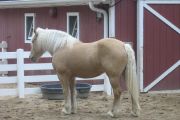
Abigail Harms, an undergraduate student at Beloit College working with Dr. Kathryn Johnson, also presented her research today at the Experimental Biology 2019 conference examining the effects of obesity in horses. Just like humans and pets, horses are increasingly becoming obese. Her research is seeking ways to measure hormonal changes that occur with obesity in different breeds of horses.

Freshwater organisms are especially vulnerable to environmental changes as they are exposed to both atmospheric changes as well as run-off from nearby cities; in particular, rising temperatures and increasing carbon dioxide levels from both natural factors (rainfall, geology, etc) as well as human influence (deforestatin, agriculture, urbanization). For example, studies of rivers around the world have found that carbon dioxide levels vary from 647 – 38,000 µatm. Higher levels are […]

Got bugs? Get a bat. As many species of bats are insectivores, they help keep insect populations in check. Hurricane Harvey has been devastating to people, animals and property. So it probably comes as no surprise that there are many volunteers dedicating their time to saving animals displaced by Hurricane Harvey as well. From squirrels, cats and dogs to…you guessed it…bats. It turns out that bats are not very good […]
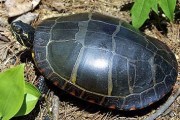
Bisphenol A (BPA) has earned a bad reputation as a potential endocrine disrupting chemical in several studies of developing animals. Some studies even report correlations of BPA levels with certain diseases in humans. Thus it is not surprising there are a plethora of BPA-free food containers, especially for baby food and bottles, as our most common route of exposure is through our diet. It gets there from the epoxy resin lining of some canned foods as […]
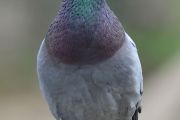
A study recently published in the Proceedings of the National Academy of Sciences provides evidence that pigeons can learn to recognize words. That is after the birds were trained over a period of 8 months. According to the study authors “The pigeons’ performance is actually more comparable to that of literate humans than baboons’ performance.” To read, we must be about to decode letters and the sounds they make as […]
 Life Lines by Dr. Dolittle