Now we know how life underground reduces metabolism

…at least for mole-rats. African mole-rats live in dark underground dwellings where oxygen and food are scarce, and humidity and temperatures are high. These animals have low metabolic rates and body temperatures uniquely adapted to their life underground. Metabolism is controlled in part by thyroid hormones. To understand the role of thyroid hormone in mole-rats, researchers examined the thyroid gland and hormones in naked mole-rats (Heterocephalus glaber) as well as […]


Continue Reading →

Protecting oil palms and owls with cholecalciferol

Wild rodent infestations can destroy crops and pose many risks to public health. According to the CDC, they are hosts to many diseases including Hantavirus, Monkeypox, Salmonella, Hemorrhagic fever, Lassa fever, Leptospirosis, Arenavirus, Sylvatic Typhus, and Tularemia. Wild rodents may also indirectly spread diseases to humans and other animals through infected ticks, mites, mosquitoes, and fleas that feast on them. Such indirect illnesses include Lyme disease, Plague, Typhus, Colorado Tick […]

Continue Reading →

Keeping it cool when it gets hot

Human thermoregulation in a warm environment Thermoregulation is the ability for an organism to control body temperature within a specified physiological range even when environmental temperatures vary. A recent article published in Physiological Reviews explored thermoregulation in humans and how various factors such as age, body shape, adaptation, and biological sex impact a person’s ability to maintain body temperature. They also explored how various diseases such as multiple sclerosis, diabetes, […]

Continue Reading →

The biological importance of carbonic anhydrase enzyme

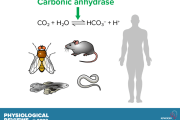
Carbonic anhydrase is an important enzyme that regulates the acid-base balance of an organism. In fact, carbonic anhydrase (CA) is so important to homeostasis, it is found in all living organisms studied to date – from microorganisms (like bacteria) to mammals. As the name implies, this enzyme is responsible for catalyzing the hydration of carbon dioxide, which is a reversible process (see figure above). In other words, it speeds up […]

Continue Reading →

New cancer diagnostic tool

Scientists have come up with a truly unique tool to try to detect cancer – ants. Yes, ants. Ants are known for their strong sense of smell, which helps them locate food pretty well. Interestingly, some forms of cancer can alter the smell of urine and ants may be able to detect those changes. Their findings on the potential use of ants as “bio-detectors” of cancer were published in the […]

Continue Reading →

The complex interplay between pathogens and our immune system

I read an interesting review article explaining how cells evolved the ability to kill off pathogens and, in turn, how pathogens evade death. It is kind of like a perpetual game of ‘cat and mouse’ in which the interaction between animals and pathogens drives the evolution of host defenses against infections while at the same time driving the evolution of pathogen strategies to avoid detection. According to the review article, […]

Continue Reading →

Hummingbirds can choose how deep to sleep

Could you imagine drinking a can of soda every minute just to support your high metabolism? Amazingly, that is the equivalent to how much sugar a hummingbird needs to support their rapid wingbeats during flight. In fact, hummingbird flight muscles are the fastest on record, allowing the birds to flap their wings at a rate of up to 200 beats per second! That explains why they are always at my […]

Continue Reading →

On the road to developing artificial odorant sensors for noses

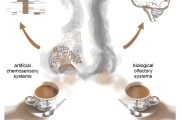
Almost all animals have some ability to detect smells their environment and there are countless odorant molecules and combinations of molecules in the environment that our systems are challenged with identifying. The sense of smell is important in many biological processes such as finding food, mates, and detecting threats. Scents may also conjure up memories and affect our emotions. About 5% of the population either has no (anosmia) or very […]

Continue Reading →

Considering a cranberry side dish for Thanksgiving? New study shows regular consumption may lower cholesterol and prevent memory loss

Okay, I’ll admit this blog entry has nothing really to do with comparative physiology. I just happen to really like eating cranberry sauce at Thanksgiving and was curious about the benefits of eating cranberries more often. Like many other berries, cranberries are a super-fruit rich in polyphenols and antioxidants that are associated with protecting brain health with aging. On their own they are rather bitter due to the high amounts […]

Continue Reading →

Hypoxia gives alligators a big heart: Q&A with Dr. Dane Crossley, University of North Texas

We recently interviewed Dr. Dane Crossley, Professor of Physiology in the College of Biological Sciences at the University of North Texas about the research his laboratory presented at the recent APS Intersociety meeting, Comparative Physiology: From Organisms to Omics in an Uncertain World. The title of his presentation was, “A large heart: How does developmental hypoxia affect individual cardiomyocyte performance in the American alligator, Alligator mississippiensis.” Thank you for taking time […]

Continue Reading →