Tag Archive for ‘bacteria’

Advancements in veterinary wound healing

Antibiotic-resistant infections are a global concern for both humans and animals. A recent study published in Veterinary Quarterly tested a new way to treat an antibiotic-resistant Pseudomonas aeruginosa wound infection in a Siamese cat, known as “Squeaks”. Squeaks had acquired the infection following multiple surgeries that aimed to treat the cat for injuries after a severe fall from a high-rise. In this study, the veterinary team created a viral phage […]

Continue Reading →

Gut-temperature axis in high altitude deer mice?

Dr. Graham Scott (McMaster University) presented intriguing research at the American Physiology Summit earlier this month in Long Beach, CA. His laboratory has been examining a potential link between the gut microbiome and the ability for deer mice to help regulate body temperature. Deer mice live in high elevations where atmospheric oxygen levels are low. This presents a physiological challenge as they have to use a lot of energy to […]

Continue Reading →

The complex interplay between pathogens and our immune system

I read an interesting review article explaining how cells evolved the ability to kill off pathogens and, in turn, how pathogens evade death. It is kind of like a perpetual game of ‘cat and mouse’ in which the interaction between animals and pathogens drives the evolution of host defenses against infections while at the same time driving the evolution of pathogen strategies to avoid detection. According to the review article, […]

Continue Reading →

How infections can change milk composition

Lipopolysaccharides (LPS) are found on the outer cell membrane of Gram-negative bacteria. When these bacteria break down, the LPS can enter the body and cause inflammation and negatively impact health. They can also disrupt the blood-milk barrier and may alter the composition of milk. In a new study published in the American Journal of Physiology – Regulatory, Integrative and Comparative Physiology, researchers wanted to know whether LPS could change the […]

Continue Reading →

Towards developing treatments for inflammation

Neutrophils are specialized immune cells that becomes activated in response to foreign particles or microorganisms. Think of them like security guards in your body. As they travel through the blood, their job is to detect and get rid of invading microorganisms. They also help spark inflammation responses to infections. For these reasons, they are known to help maintain homeostasis in the body, but they can also play roles in disease […]

Continue Reading →

Physiology in Iowa

The Iowa Physiological Society held their 23rd annual meeting today. It was a huge success! Seminars were on a diverse array of topics including epilepsy, chronic pain, Parkinson’s disease, hypertension caused by menopause, how heat exposure impacts insulin’s actions in skeletal muscle tissue, how exercise changes blood flow in muscles of individuals with obesity, factors that change the ability to grow new blood vessels, The Keynote Speaker was Dr. Mark […]

Continue Reading →

Sponging up bacterial infections

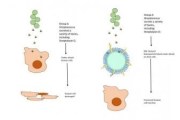
Antibiotic-resistant bacteria are a pretty scary thing, which is why researchers are working so hard to come up with new and creative ways to fight them off. Take for example nanosponges. In a presentation from the Experimental Biology meeting in Chicago last month, researchers from the University of California in San Diego are testing the use of nanosponges (shown on the right in the figure below) to bind and inactivate […]

Continue Reading →