Tag Archive for ‘Exercise’

The Integrative Biology of Exercise VII – Day 3

Highlights from Day 3!   The costs of being a father? Jacob Andrew et al. from the University of California – Riverside presented a poster examining the long-term effects of fatherhood in California mice (Peromyscus californicus). California mice are monogamous and biparental, like humans. This means that both parents participate in taking care of offspring. In prior research they found that first-time fathers did not experience many changes in their physiology, […]
Continue Reading →

The Integrative Biology of Exercise VII – Day 2

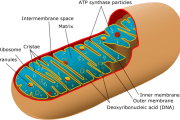
Mitochondria produce more than just ATP Pinchas Cohen from the University of California – Davis presented data showing that mitochondria produce more than just ATP. They also make several peptides that can each affect our physiology. Some help cells respond to insulin better, some help with weight, some regulate cell metabolism. What is even more impressive is that some of these peptides have been shown to slow down the development […]

Continue Reading →

The Integrative Biology of Exercise VII – Day 1

The opening session was great! Eric Hoffman (Children’s National Medical Center) presented work on chronic inflammatory diseases in children. He mentioned that while diets high in fats and carbohydrates (i.e. Western diets), obesity and sedentary lifestyles are associated with inflammation and related diseases (ex: asthma, type 2 diabetes), another contributor could be hormones. Kids who stay indoors more often have reduced exposure to sunlight and exercise less. This may alter the normal biological clock of […]

Continue Reading →

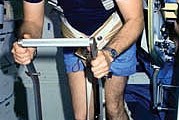
Preventing muscle wasting in space?

I recently went on a trip to visit the Endeavour space shuttle currently on display in Los Angeles. Seeing the shuttle up close brought back memories of watching the space shuttle launches on TV and the childhood dream of visiting other planets…a dream that also inspires Hollywood to continue to produce movies and TV shows about space exploration. Turns out, The Martian movie may soon become reality. In fact, NASA is working towards sending astronauts to […]

Continue Reading →

Muscle Aging in American Quarter horses

Skeletal muscle function and structure change as we age. Humans typically experience a loss of muscle mass or muscle weakness which can greatly reduce mobility and stability. While much is known about aging skeletal muscle in humans and rodents, less is known about horses, which are rather athletic animals that are living longer due to advancements in veterinary care and retirement programs. Researchers from the University of Florida decided to explore how aging effects skeletal […]

Continue Reading →

Recap of 2016 Michigan Physiological Society

The Michigan Physiological Society, a chapter of the American Physiological Society, held their 3rd annual meeting last week. As mentioned in a prior post, the keynote address was given by Comparative Physiologist Dr. Hannah Carey (University of Wisconsin School of Veterinary Medicine). You can read about her research in the prior post. Here are other highlights from the meeting: Seminars: or as I prefer to view them… Kelsy Kusch (Undergraduate Student, […]

Continue Reading →

Experimental Biology 2016 – Day 2

Today was a great day for trainees in comparative physiology! Here are some of the highlights from their sessions: Poster presentations: Alexis MacDonald et al., (Union College – Mentor Dr. Scott Kirkton) presented research showing that grasshopper skeletal muscles may use lactate for energy! Similarly, Dongying Wang et al., (Saint Louis University – Mentor Dr. Daniel Warren) also showed that skeletal muscle from painted turtles may use lactate. I guess it […]

Continue Reading →