Tag Archive for ‘food’

When fasting bites back: The bile dilemma in tiger sharks

Happy Shark Week!! In this post, we take a look at how fasting may harm young tiger sharks. Sharks LOVE to eat fish, which are packed with protein and fats. In fact, fat is a major energy source for sharks and high levels of circulating fats are associated with better body conditions in tiger sharks. To handle their diet, sharks need healthy livers and gallbladders to produce and release bile, […]


Continue Reading →

“Hummingbirds of the Night”

A reference to nectar-feeding bats as “hummingbirds of the night” in a presentation at the 2025 American Physiology Summit in Baltimore last month caught my eye. What an appropriate nickname for bats that can have blood sugar levels exceeding 750 mg/dl after a meal! Sure, a hummingbird would think this was normal, but for a human these levels would warrant a trip to the emergency room. New research shared by […]

Continue Reading →

New study explores whether diet and blood sugar affect cancer risk

A new study published by researchers at Arizona State University, led by Dr. Carlo Maley, in Nature Communications set out to examine whether vertebrates that have high blood sugar are at greater risk of developing cancer. The current study follows on the heels of prior work by his team that was published in Evolution, Medicine, and Public Health last summer showing that cancer prevalence is lower in birds than other […]

Continue Reading →

The gatekeepers of life: Exploring the complex role of GPCRs

Cell membranes are incredibly complex environments that play crucial roles in interacting with other cells, sensing specific molecules in the body, controlling what crosses the membrane, and other vital functions. The composition of these membranes varies between organs in an animal, between similar organs in different species, and even between individuals of the same species. Think of cell membranes as gatekeepers, responsible for detecting various chemical signals (such as ions […]

Continue Reading →

To eat or not to eat, that is the question

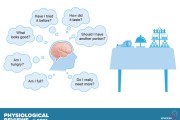
Ever wonder how your body knows when, what and how much to eat, what to crave, or when to stop? Have you ever found yourself indulging in a little extra during the holidays, even though you’re not actually hungry? It turns out, the science behind our eating habits is far more complicated than we realize— and it’s not just about willpower or self-control. A fascinating comprehensive review published by Watts […]

Continue Reading →

Targeting smells to fight obesity

Admittedly, this is not necessarily a comparative physiology topic. But I couldn’t help exploring this idea as I am munching on a chocolate chip cookie that smelled just too appetizing to walk by. Some restaurants have been accused of intentionally “pumping” out enticing smells to attract customers. After all, the aromas of cooking and baking can attract hungry customers, as well as those who had no intention of seeking out […]

Continue Reading →

Why sharks should be afraid of leopard seals

Leopard seals in New Zealand have a dangerous appetite. Although the animals were known to eat penguins and other seals, researchers only recently discovered that sharks were on the menu as well, which was really surprising. They made this discovery while analyzing fecal samples collected from more than 100 leopard seals. Leopard seals appear to have joined a growing list of animals (orcas, giant octopus) that dine on what we […]

Continue Reading →

Seagulls pick up on human cues to find food

Have you ever experienced seagulls seemingly begging for food from you? It is not your imagination. A new study finds that seagulls really do prefer foods that have been handled by humans. The study conducted Madeleine Goumas (University of Exeter, UK) examined whether seagulls picked up on cues from humans or were simply looking for food. While standing about 8 meters away from herring gulls, the team placed two plastic-wrapped […]

Continue Reading →

The physiology of bad taste

Ever wonder how humans and other animals evolved the ability to detect foods that can potentially harm us? A recent article published in Physiological Reviews, explains the physiology behind why certain foods taste bad. The act of tasting is very complex and includes receptors in our mouths that can detect specific chemicals in our food and prepare our digestive system to receive the food and, as anyone with a cold knows, […]

Continue Reading →

Male hamsters pack on the pounds while females stockpile food for winter

During hibernation common hamsters (Cricetus cricetus) alternate their time between bouts of torpor during which their metabolic rate drops and body temperature is low and arousal during which body temperature is normal. Hibernation allows animals to conserve energy although it is not without costs as it often results in memory deficits, cell damage and reduced immune function. Thus some studies have suggested that animals with sufficient food stores will not undergo hibernation […]

Continue Reading →