Tag Archive for ‘nutrition’

To eat or not to eat, that is the question
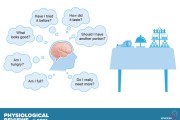
Ever wonder how your body knows when, what and how much to eat, what to crave, or when to stop? Have you ever found yourself indulging in a little extra during the holidays, even though you’re not actually hungry? It turns out, the science behind our eating habits is far more complicated than we realize— and it’s not just about willpower or self-control. A fascinating comprehensive review published by Watts […]

Continue Reading →

Time Machine: Nutritive significance of amino acids

In this Time Machine post, we travel back to 1938 to check out a manuscript on the importance of amino acids in nutrition authored by Dr. William Cumming Rose (1887-1985), professor of biochemistry at the University of Illinois, published in Physiological Reviews. His research on the importance of amino acids in the physiology of an organism culminated in 124 research, review or biographical articles and his receipt of the National […]

Continue Reading →

Time Machine: Homeostasis and ‘The Wisdom of the Body’

In this time machine post, we travel back to 1929 to discuss an article written by Dr. Walter B. Cannon, published in Physiological Reviews. Among other achievements, Dr. Cannon is perhaps best known for being the first to coin the term “homeostasis” and to describe “fight or flight responses” in organisms. As a review article, Dr. Cannon summarized observations made by others about how organisms appear to “maintain their own […]

Continue Reading →

Researchers discover how hibernating ground squirrels protect their cells from self-destruction

Programmed cell death, otherwise known as apoptosis, is an important physiological process that allows the body to get rid of cells that are no longer needed or are damaged. These functions help foster normal growth and development as well as prevent cancer. Apoptosis is a highly regulated process that involves various caspase enzymes, with caspase-3 being among the “executioner” enzymes responsible for the final stages of apoptosis and ultimate cellular […]

Continue Reading →

New research working towards preventing and treating necrotizing enterocolitis in premature babies

Necrotizing enterocolitis is an inflammatory disease of the intestines. New research suggests that premature babies are at risk of necrotizing enterocolitis in part because they have low levels of arachidonic and docosahexanoic acids in their gut, which regulate inflammation. Doctors routinely administer nutritional supplements to premature babies via an intravenous (i.v.) route until the gastrointestinal tract develops and the babies are able to process oral foods. This parenteral nutrition helps […]

Continue Reading →

Seagulls pick up on human cues to find food

Have you ever experienced seagulls seemingly begging for food from you? It is not your imagination. A new study finds that seagulls really do prefer foods that have been handled by humans. The study conducted Madeleine Goumas (University of Exeter, UK) examined whether seagulls picked up on cues from humans or were simply looking for food. While standing about 8 meters away from herring gulls, the team placed two plastic-wrapped […]

Continue Reading →

Don’t feed the birds – urban crows have higher cholesterol

If you have ever been to a fast food restaurant, you may have noticed that people are not the only consumers of fast food. In fact, some species of birds are known to frequent fast food chains where they can get a quick meal of food leftover or intentionally dropped by customers. While people may delight in tossing our feathered friends a french fry on occasion, a new study published […]

Continue Reading →

The physiology of bad taste

Ever wonder how humans and other animals evolved the ability to detect foods that can potentially harm us? A recent article published in Physiological Reviews, explains the physiology behind why certain foods taste bad. The act of tasting is very complex and includes receptors in our mouths that can detect specific chemicals in our food and prepare our digestive system to receive the food and, as anyone with a cold knows, […]

Continue Reading →