Tag Archive for ‘torpor’

Brown adipose tissue: not just a heater or fat-burning machine
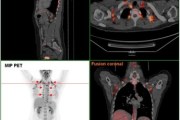
Once dismissed as a feature only babies possess, brown adipose tissue (BAT), is widely recognized as the body’s metabolism-boosting, heat-generating fat. This Time Machine episode takes a look back at early research and new discoveries about this metabolism-boosting fat. According to a 2007 paper published in the American Journal of Physiology – Endocrinology and Metabolism, it was the ability for BAT to take up glucose that enabled its discovery in […]

Continue Reading →

Researchers discover how hibernating ground squirrels protect their cells from self-destruction

Programmed cell death, otherwise known as apoptosis, is an important physiological process that allows the body to get rid of cells that are no longer needed or are damaged. These functions help foster normal growth and development as well as prevent cancer. Apoptosis is a highly regulated process that involves various caspase enzymes, with caspase-3 being among the “executioner” enzymes responsible for the final stages of apoptosis and ultimate cellular […]

Continue Reading →

New research shows that muscles in hibernating animals consume energy

Hibernation allows animals to reduce their energy needs during winter, when food may be scarce and high amounts of energy would be required to maintain body temperature. These animals prepare for winter by storing body fat that can be used as fuel during hibernation. Skeletal muscles in particular have high energy needs as they make up nearly half of an animal’s body mass. They also play important roles in regulating […]

Continue Reading →

Hummingbirds can choose how deep to sleep

Could you imagine drinking a can of soda every minute just to support your high metabolism? Amazingly, that is the equivalent to how much sugar a hummingbird needs to support their rapid wingbeats during flight. In fact, hummingbird flight muscles are the fastest on record, allowing the birds to flap their wings at a rate of up to 200 beats per second! That explains why they are always at my […]

Continue Reading →

It’s getting cold outside…what’s a squirrel to do?

As the weather cools down, animals must find ways to stay warm. This is especially important for small animals as they lose body heat faster than larger animals. One way to stay warm is by increasing your metabolism to create body heat, although this process requires a lot of energy. That can be a problem in areas where food may be scarce in the winter. Although some animals, like the […]

Continue Reading →

Tenrecs may shed light on the evolution of body temperature regulation

The common tenrec (Tenrec ecaudatus) just may be a living representative of ancestral placental mammals and they are very interesting when it comes to body temperature regulation and torpor. Torpor is a complex series of physiological changes that reduce an animal’s physical activity as well as heart, breathing and metabolic rates, which also results in decreases in body temperature than can be as low as their surrounding environment. Many mammalian […]

Continue Reading →

Experimental Biology 2021: Q&A with Molly Simonis

We are delighted to speak with Molly Simonis who is currently a PhD Candidate working with Dr. Lynn Hartzler at Wright State University. Molly is a member of the Comparative and Evolutionary Physiology section of the American Physiological Society and she presented her research “Captive Big Brown Bats (Eptesicus fuscus) Display Hypothermia and Hypometabolism” at the 2021 Experimental Biology conference last month. Q: What made you interested in studying big brown […]

Continue Reading →

What do hibernating animals and astronauts have in common?

Well, nothing yet…but imagine the possibilities of human spaceflight if we could put people into a form of stasis? While short term stasis-like states have been used in medical settings, the idea of putting people into stasis to allow long term space travel – without intensive physician oversight, remains a major goal of space agencies and companies like Spaceworks (above). Scientists at the Comparative Physiology meeting considered this very question, […]

Continue Reading →

Sleep vs torpor

  I read an interesting review article published in Physiology comparing the low metabolic states of non-rapid eye movement sleep (NREM) and torpor. According to the article, all mammals experience NREM sleep patterns during which energy expenditure is decreased and body as well as brain temperatures decline. Animals that experience torpor (hummingbirds, arctic ground squirrels, some mice, bears, etc) have reduced metabolic rates and body temperatures that dip below baseline. NREM […]

Continue Reading →

Experimental Biology – Day 2

Yesterday was a great day for comparative physiology! Highlights from the seminars on comparative physiology: Melissa Reiterer, graduate student from Florida Atlantic University, presented her research on how freshwater turtles (Trachemys scripta) survive for long periods of time without oxygen and do not develop oxidative stress after oxygen is restored. The turtles are able to do this by creating their own antioxidants as well as eliminating oxidative stress. In contrast, mammals including humans, develop […]

Continue Reading →