Frog tongues
I was surfing YouTube and found this neat video from Georgie Tech about the special properties of frog tongues and saliva that help them catch their prey:

I was surfing YouTube and found this neat video from Georgie Tech about the special properties of frog tongues and saliva that help them catch their prey:

The stomach and small intestine of many species moves rhythmically during fasting, something called the rhythmic ‘migrating motor complex’, or MMC. The MMC has 3 phases: no contraction, intermittent small contractions followed by regular large contractions. These contractions are thought to help clean the GI tract by moving along debris and bacteria as well as preparing our guts for the next meal. They are also the cause of ‘stomach rumbles’ when we are hungry. If […]
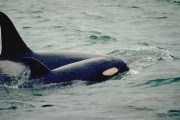
Orcas are one of only three species of mammals that go through menopause, including humans of course. A new study published in Current Biology may have discovered why this happens in killer whales. Examination of 43 years worth of data collected by the Center for Whale Research and Fisheries and Oceans Canada, revealed a remarkable finding about the costs of reproduction in orcas. Older mothers tend to spend more time taking care […]

As the name implies, Dummerstorf marathon mice are bred to run. If allowed to be sedentary, these animals can build up quite a bit of fat within their peripheral tissues even if they do not overeat. If given an exercise wheel, however, they burn fat very quickly. In a new study published in the Journal of Comparative Physiology – B, researchers discovered that the livers of these mice have an increased ability to not only […]

New research presented at the British Ecological Society, Liverpool shows that reindeer are shrinking. These findings come from a survey conducted between 1994-2010 in Svalbard, a Norwegian island, which found the animals have lost about 12% of their body mass over this timeframe. The research team thinks the shrinking reindeer phenomenon might be caused by global warming as females have increased access to grasslands and give birth to more calves annually than in […]

I know this is not a comparative physiology topic, but this article caught my attention as I know I just ate a rather high fat meal last week for Thanksgiving and I plan to do the same throughout the holiday season. Insulin does more than just lowering blood sugar by increasing its uptake into tissues. It can also increase blood flow to the hippocampal region of the brain to help […]

Highlights from Day 3! The costs of being a father? Jacob Andrew et al. from the University of California – Riverside presented a poster examining the long-term effects of fatherhood in California mice (Peromyscus californicus). California mice are monogamous and biparental, like humans. This means that both parents participate in taking care of offspring. In prior research they found that first-time fathers did not experience many changes in their physiology, […]
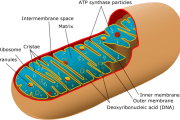
Mitochondria produce more than just ATP Pinchas Cohen from the University of California – Davis presented data showing that mitochondria produce more than just ATP. They also make several peptides that can each affect our physiology. Some help cells respond to insulin better, some help with weight, some regulate cell metabolism. What is even more impressive is that some of these peptides have been shown to slow down the development […]

The opening session was great! Eric Hoffman (Children’s National Medical Center) presented work on chronic inflammatory diseases in children. He mentioned that while diets high in fats and carbohydrates (i.e. Western diets), obesity and sedentary lifestyles are associated with inflammation and related diseases (ex: asthma, type 2 diabetes), another contributor could be hormones. Kids who stay indoors more often have reduced exposure to sunlight and exercise less. This may alter the normal biological clock of […]
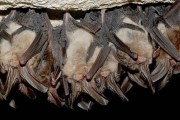
According to a press release from Northern Arizona University, Drs. Faith Walker and Carol Chambers at the Bat Ecology & Genetics Lab have developed a system called Species From Feces to identify bat species from guano collected in field locations such as mines, caves, bridges, etc. The system takes advantage of DNA sequencing technology and an assay to look for genetic identifiers unique to different species using DNA barcodes. The sequences can then […]
 Life Lines by Dr. Dolittle