Illnesses and Injuries

What a pain!

I read an interesting review article published recently in Physiology. The review discussed how various animals sense pain. Perhaps understanding how animals detect pain will lead to better pain management techniques for animals and humans.    Our bodies have special sensors, called nociceptors, that detect noxious stimuli that could injure tissues. Stimulation of these receptors is what allows you to move your hand away from a hot stove even before your […]
Continue Reading →

Towards the development of safer anesthetics

Like many medications, general anesthetics are not without side effects. Researchers at Dalhousie University in Canada were interested in studying the effects of inhaled anesthetics on the heart. Slowed heart rate (bradycardia) is a major adverse side effect of inhaled anesthetics that can lead to death for those undergoing procedures. Because bradycardia occurs in all species of vertebrates that have been studied thus far, the researchers decided to examine how […]

Continue Reading →

#4: Komodo Dragons have antibacterial blood

Komodo Dragon

Here is the 4th most popular post so far this year: Researchers studying komodo dragons (Varanus komodoensis) at George Mason University discovered 48 previously unknown peptides in their blood that might have antimicrobial properties. Their findings were published in the Journal of Proteome Research. For the largest lizard, these peptides may help prevent the animals from getting infections from their own saliva, which is host to at least 57 species of bacteria. With this number […]

Continue Reading →

People with diabetes have less sRAGE

When blood sugar concentrations are elevated, humans run the risk of glucose binding to proteins in the blood and causing the irreversible formation of advanced glycation end products (AGE). Once formed, AGEs can bind to their receptor (RAGE) and stimulate inflammation and oxidative stress. This pathological signaling can be stopped by pieces of the RAGE protein that break off and form a soluble version called sRAGE. These soluble versions of […]

Continue Reading →

Do Mexican cavefish hold the secret to treating diabetes?

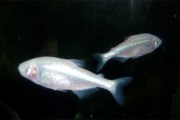
Mexican tetra (Astyanax mexicanus) are a fascinating example of divergent evolution. Over time, some of these freshwater river fish washed into caves where they continue to live. With perpetual darkness, these cavefish have lost their ability to see along with their skin pigmentation. Oxygen and food are also hard to come by in the caves. In fact, the cave dwelling fish may go for months without eating as they wait […]

Continue Reading →

Viral defenses are encoded in their genes, but not ours

Through the course of evolution vertebrates have apparently lost their gene-encoded viral defense mechanisms. These ancient defenses allow plants and insects to silence the expression of certain genes by using what is known as RNA interference. This natural defense system can be manipulated to create genetically modified crops that resist certain infections. However, a new study by researchers from the University of Leuven in Belgium examined over 40 organisms in […]

Continue Reading →

White Nose Syndrome – What do we know now?

You may recall prior Lifelines posts discussing the devastating effects of white nose syndrome (WNS) in bats. WNS, Pseudogymnoascus destructans is a fungus responsible for the deaths of millions of North American bats over the last ten years. In a new study published in the American Journal of Physiology – Regulatory, Integrative and Comparative Physiology, Dr. Craig Willis examined the effects of repeated arousals from hibernation induced by the fungal infection. […]

Continue Reading →

Benefits to being furry, but not fat, in a cold environment

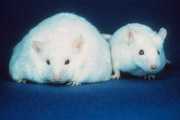
To deal with cold environments, mammals have several options. They could produce heat by increasing metabolism or shivering or they could conserve heat by constricting blood vessels in their skin or snuggling with a friend or insulating materials. With this in mind, researchers wondered how varying levels of insulation (obesity, fur) in mice affected heat loss and how much energy the animals used to maintain body heat. Their thinking was […]

Continue Reading →

Discovering markers of kidney disease at earlier stages in dogs

Proteins are not normally found in the urine of healthy individuals as the filtering units of the kidney prevent the loss of large proteins and smaller ones are typically reabsorbed. A team of researchers at the University of Sao Paulo in Brazil and Ohio State University recently searched for biomarkers indicative of early stages of kidney disease in dogs. They discovered that the urine of dogs in stages 1 or […]

Continue Reading →