Nature’s Solutions

#1: Is there an evolutionary advantage to “being stupid”?

And the #1 blog entry published thus far in 2017 discussed whether there was an evolutionary advantage to being stupid: —- As I was looking through the scientific literature the other day, I came across an article published in 1973, “The Evolutionary Advantages of Being Stupid.” With a title like that, how could I not read it? In this article Dr. Eugene D. Robin discussed how larger and more complex brains are […]

Continue Reading →

#4: Komodo Dragons have antibacterial blood

Komodo Dragon

Here is the 4th most popular post so far this year: Researchers studying komodo dragons (Varanus komodoensis) at George Mason University discovered 48 previously unknown peptides in their blood that might have antimicrobial properties. Their findings were published in the Journal of Proteome Research. For the largest lizard, these peptides may help prevent the animals from getting infections from their own saliva, which is host to at least 57 species of bacteria. With this number […]

Continue Reading →

#5: Competition horses calmed by lavender

In looking back over the history of the blog, I thought it would be fun to take another glimpse at the top 5 most popular posts in 2017 thus far… While lavender aromatherapy has been documented to reduce stress in humans, little is known about its potential for reducing stress in veterinary medicine. Horses can develop elevated heart rates and stress hormone levels when they are confined to horse trailers […]

Continue Reading →

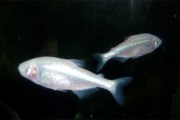
Do Mexican cavefish hold the secret to treating diabetes?

Mexican tetra (Astyanax mexicanus) are a fascinating example of divergent evolution. Over time, some of these freshwater river fish washed into caves where they continue to live. With perpetual darkness, these cavefish have lost their ability to see along with their skin pigmentation. Oxygen and food are also hard to come by in the caves. In fact, the cave dwelling fish may go for months without eating as they wait […]

Continue Reading →

Viral defenses are encoded in their genes, but not ours

Through the course of evolution vertebrates have apparently lost their gene-encoded viral defense mechanisms. These ancient defenses allow plants and insects to silence the expression of certain genes by using what is known as RNA interference. This natural defense system can be manipulated to create genetically modified crops that resist certain infections. However, a new study by researchers from the University of Leuven in Belgium examined over 40 organisms in […]

Continue Reading →

The marsupial placenta

When I think of marsupials, what comes to mind is an image of a mother carrying her young (joey) in a pouch. Contrary to popular belief, however, mother tammar wallabies (Macropus eugenii) have an internal functioning placenta. Albeit, it only develops near the end of their short pregnancy (a mere 26.5 days), just before the developing offspring moves from the uterus to the pouch for further development and nursing. A […]

Continue Reading →

Attempts to save Houston’s bats

Got bugs? Get a bat. As many species of bats are insectivores, they help keep insect populations in check. Hurricane Harvey has been devastating to people, animals and property. So it probably comes as no surprise that there are many volunteers dedicating their time to saving animals displaced by Hurricane Harvey as well. From squirrels, cats and dogs to…you guessed it…bats. It turns out that bats are not very good […]

Continue Reading →

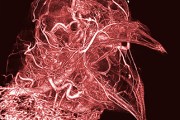
Avian vascular anatomy revealed

This is such a beautiful award-winning image of the complex vascular networks in a pigeon. The image was captured using  CT scan technology and a novel contrasting agent called BriteVu that allows visualization of even tiny capillaries. This image was captured by Scott Echols who is a member of the Grey Parrot Anatomy Project, whose goals are to create technologies to study animal anatomy. The complex capillary network located in […]

Continue Reading →

Could cows be the secret weapon against the spread of HIV?

Researchers at the International AIDS Vaccine Initiative at Scripps Research Institute have discovered that cows can produce antibodies that effectively neutralize HIV. Thus far, developing an effective vaccine for HIV has been hampered by the ability of the virus to mutate. Some people who have been infected with the virus for a period of years develop antibodies that are able to attack parts of the virus that do not mutate. Cows exposed to HIV, […]

Continue Reading →

Placental peptide reverses symptoms of preeclampsia

Preeclampsia is a serious complication that develops in about 5-8% of pregnant women. It is characterized by elevated blood pressure and is typically accompanied by excess protein in the urine (a sign of kidney problems). Symptoms often (but not always) return to normal after delivery of the baby. Elabela is a recently discovered micropeptide secreted by the placenta in mammals. It is also found in fish where it plays a […]

Continue Reading →