Tag Archive for ‘American Journal of Physiology’

People with diabetes have less sRAGE
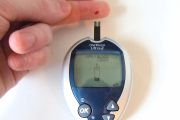
When blood sugar concentrations are elevated, humans run the risk of glucose binding to proteins in the blood and causing the irreversible formation of advanced glycation end products (AGE). Once formed, AGEs can bind to their receptor (RAGE) and stimulate inflammation and oxidative stress. This pathological signaling can be stopped by pieces of the RAGE protein that break off and form a soluble version called sRAGE. These soluble versions of […]

Continue Reading →

White Nose Syndrome – What do we know now?

You may recall prior Lifelines posts discussing the devastating effects of white nose syndrome (WNS) in bats. WNS, Pseudogymnoascus destructans is a fungus responsible for the deaths of millions of North American bats over the last ten years. In a new study published in the American Journal of Physiology – Regulatory, Integrative and Comparative Physiology, Dr. Craig Willis examined the effects of repeated arousals from hibernation induced by the fungal infection. […]

Continue Reading →

Benefits to being furry, but not fat, in a cold environment

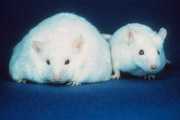
To deal with cold environments, mammals have several options. They could produce heat by increasing metabolism or shivering or they could conserve heat by constricting blood vessels in their skin or snuggling with a friend or insulating materials. With this in mind, researchers wondered how varying levels of insulation (obesity, fur) in mice affected heat loss and how much energy the animals used to maintain body heat. Their thinking was […]

Continue Reading →

Meet the amazing and ‘ew’-inspiring Pacific hagfish

Pacific hagfish (Eptatretus stoutii), aka “slime eels”, are primitive fish that occupy burrows on the ocean floor. Like earthworms, they have 5 hearts. They have no true eyes, no jaws, nor do they have a stomach. They locate their meals through great senses of smell and touch. In addition to small invertebrates, they are known for consuming carrion that fall to the ocean floor. By consume, I mean burrow into […]

Continue Reading →

Another primate with spontaneous hypertension

Humans are not the only primates that spontaneously develop hypertension. A new study published in the American Journal of Physiology – Regulatory, Integrative and Comparative Physiology, examined the development of spontaneous hypertension in African Green Monkeys (Chlorocebus aethiops sabaeus; aka: vervets). The team measured blood pressure in 424 adult monkeys and found that 37% had high blood pressure (SBP: 172.0±2.2 mmHg) and an additional 18% had borderline hypertension. Like humans, […]

Continue Reading →

Improving endurance exercise

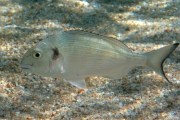
  We all know that aerobic exercise is good for us because it helps improve muscle function and our ability to move well. For fish, aerobic exercise helps animals escape predators, catch prey as well as improve reproduction success. When we exercise, our muscles adapt by altering the metabolism of energy, the way calcium is handled as well as the type of contractile proteins present in the muscle. Together these changes […]

Continue Reading →

Guest Blog: Liver genes of Cope’s gray treefrog provide clues to low temperature and freezing

Dr. Clara do Amaral is a postdoctoral fellow at the University of Dayton in Ohio where she studies freeze tolerance in frogs. She received a Research Recognition Award from the Comparative and Evolutionary Physiology section of the American Physiological Society at the 2017 Experimental Biology meeting in Chicago, IL. She prepared this award-winning guest blog entry to describe her interesting research: The Cope’s gray treefrog is a small frog that occurs in […]

Continue Reading →

Obese rhesus monkeys develop diabetes too

A new study published in American Journal of Physiology – Endocrinology and Metabolism shows that rhesus monkeys (Macaca mulatta) who spontaneously develop obesity with aging are prone to insulin resistance and diabetes, similar to humans. The major goal of insulin is to lower blood sugar after eating a meal. In line with this goal, muscles respond to insulin by taking up large amounts of the sugar. Similarly, insulin blocks the breakdown of glucose […]

Continue Reading →

What do frogs and humans have in common?

Leptin is a hormone that signals the brain to suppress appetite in humans. While researchers at the University of Michigan described a similar appetite regulating role for leptin in South African clawed frogs (Xenopus), they also discovered that leptin signals limb development in tadpoles. They suspect that this happens once there are sufficient energy stores to begin the process of metamorphosis. Shalitin and Kiess (2017) also described a role for leptin in skeletal development of children and researchers implicate leptin in […]

Continue Reading →

Growing meaty fish

Similar to humans, muscle growth in fish is increased with exercise. Unlike humans, however, teleost fish are able to continue growing in length as well as weight throughout their lives. This type of meat, I mean muscle, growth happens in two ways: 1) muscle cells get bigger and 2) new muscle cells form. Researchers at the University of Barcelona in Spain wanted to know what effect moderate sustained swimming would have on the muscles of young […]

Continue Reading →