Tag Archive for ‘American Physiological Society’

Very high intensity exercise: hovering
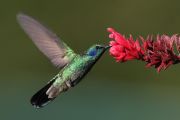
I just read an interesting review published in Physiology of flight energetics and fuel use in nectar feeding hummingbirds and bats. While flight is considered pretty high intensity exercise, hovering flight is even more demanding. Hummingbirds and nectar feeding bats are really tiny and thus have very high metabolisms to maintain body heat. Some of these animals are also migratory, which is an even greater energy demand. Remarkably, they sustain […]

Continue Reading →

How Ossabaw Island swine are helping us understand obesity and diabetes

         Ossabaw Island off the coast of Georgia (United States) is home to feral swine brought over by early Spanish explorers. In relative isolation on the island, with the exception of the introduction of a Hampshire pig, the Ossabaw pigs have become genetically distinct from those living on the mainland. Ossabaw pigs are prone to obesity and are the only miniature pigs known to develop type 2 […]

Continue Reading →

Dr. Hannah Carey in the spotlight

Congratulations Dr. Hannah Carey, 80th President of the American Physiological Society (2007-2008) and fellow of the American Association for the Advancement of Sciences, which recently interviewed her about her research on hibernation.  Dr. Carey is a comparative physiologist and professor of Comparative Biosciences at the University of Wisconsin School of Veterinary Medicine. Her current research focus is on how the gut microbes of 13-lined ground squirrels change during hibernation. According […]

Continue Reading →

The Integrative Biology of Exercise VII – Day 3

Highlights from Day 3!   The costs of being a father? Jacob Andrew et al. from the University of California – Riverside presented a poster examining the long-term effects of fatherhood in California mice (Peromyscus californicus). California mice are monogamous and biparental, like humans. This means that both parents participate in taking care of offspring. In prior research they found that first-time fathers did not experience many changes in their physiology, […]

Continue Reading →

The Integrative Biology of Exercise VII – Day 2

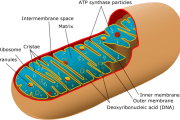
Mitochondria produce more than just ATP Pinchas Cohen from the University of California – Davis presented data showing that mitochondria produce more than just ATP. They also make several peptides that can each affect our physiology. Some help cells respond to insulin better, some help with weight, some regulate cell metabolism. What is even more impressive is that some of these peptides have been shown to slow down the development […]

Continue Reading →

The Integrative Biology of Exercise VII – Day 1

The opening session was great! Eric Hoffman (Children’s National Medical Center) presented work on chronic inflammatory diseases in children. He mentioned that while diets high in fats and carbohydrates (i.e. Western diets), obesity and sedentary lifestyles are associated with inflammation and related diseases (ex: asthma, type 2 diabetes), another contributor could be hormones. Kids who stay indoors more often have reduced exposure to sunlight and exercise less. This may alter the normal biological clock of […]

Continue Reading →

In the meantime, I think I’ll hibernate

I just read an interesting blog from the I Spy Physiology website sponsored by the American Physiological Society which described results from a recent study suggesting that chronic fatigue syndrome (CFS) might be a human equivalent to hibernation. Chronic fatigue syndrome reportedly affects over 2.5 million people in the United States alone. People with this condition have the type of fatigue that does not seem to improve, even with adequate sleep. By examining the blood […]

Continue Reading →

Fevers impair brain activity

You probably already knew that fevers can cause some people to develop seizures. According to the National Institutes of Health, these so-called ‘febrile seizures’ can happen at temperatures of 102.2 degrees F and above and are most-often seen in children. The good news is that this type of seizure is usually short and does not often cause any long-term damage to the brain. In a new study published in Physiological Reports, […]

Continue Reading →

Frigatebirds and lambs

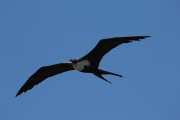
I was checking out the award-winning American Physiological Society’s I Spy Physiology blog and came across a couple of really interesting posts about animals: “If Only Birds Could Compete in the Summer Games” This post reported a study of how frigatebirds manage to sleep during flights out at sea that can last for weeks. By measuring brain activity, the research team found that the birds were capable of actual sleep, during which time both […]

Continue Reading →