Tag Archive for ‘physiology’

Special diet improves feline chronic kidney disease

Some good news for cats (and their owners)! Like people, cats can develop chronic kidney disease. In fact, about 10% of felines over the age of 9 years develop it. Common symptoms in cats include weight loss, reduced muscle mass, and often excessive urination and thirst. Other symptoms include metabolic acidosis and more advanced stages may include protein loss in the urine In a new study published in Physiological Reports, researchers […]

Continue Reading →

Could circadian rhythms negatively impact research?

Our lives are regulated by a complex biological clock that controls our circadian rhythms. The master clock is located in our hypothalamus and functions to ensure that specific proteins are turned on or off at the right times. These functions are important not only for cell function, but also for proliferation and survival of species. Of concern to our health is the notion that changes in our exposure to environmental […]

Continue Reading →

Comparative Physiologist: Berry Pinshow, PhD

I came across a really interesting interview of Dr. Barry Pinshow, a comparative physiologist and member of the American Physiological Society. In this Living History of Physiology video, Dr. Pinshow talks about growing up in South Africa and his decision to move to Israel as a teen. He also discusses how he became interested in science, his research in desert biology and the influential people in his career. Very inspiring!

Continue Reading →

Caffeine redemption

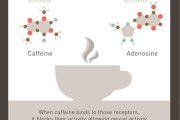
Sometimes caffeine gets bad rap. But, not all caffeine drinks are created equal and certainly there are health issues related to over-consumption. But, as an avid coffee drinker, I’d like to think there are some benefits to my favorite morning treat. A recent article published in American Journal of Physiology – Endocrinology and Metabolism highlighted some of the health benefits of caffeine. Thank you AJP! Obesity is a complicated condition that can […]

Continue Reading →

Sleep vs torpor

  I read an interesting review article published in Physiology comparing the low metabolic states of non-rapid eye movement sleep (NREM) and torpor. According to the article, all mammals experience NREM sleep patterns during which energy expenditure is decreased and body as well as brain temperatures decline. Animals that experience torpor (hummingbirds, arctic ground squirrels, some mice, bears, etc) have reduced metabolic rates and body temperatures that dip below baseline. NREM […]

Continue Reading →

Green-blooded lizards

Researchers have known that some lizards have green blood due to bile pigments: In fact, six species of lizards found in New Guinea are known to have green blood. The levels of bile found in their blood are four times higher than the toxic level for humans. New research shows that green blood evolved independently 4 times in evolutionary history. These findings suggest that high levels of circulating green bile […]

Continue Reading →

Pediatric obesity in marmoset monkeys begins in the womb

A new review article published in the American Journal of Physiology – Regulatory, Integrative and Comparative Physiology explored an interesting question: how do prenatal experiences along with the intrauterine environment impact the future development of pediatric and adult obesity in animals? Common marmosets (Callithrix jacchus) are New World monkeys that can spontaneously develop obesity early in life when living in captivity with high food availability and relatively low physical activity. Similar to […]

Continue Reading →

2018 Winners

I am pleased to showcase this year’s Comparative and Evolutionary Physiology Section (CEPS)  award recipients at the Experimental Biology conference. Winners received their awards at the CEPS banquet last week. In earlier posts, I introduced this year’s Dr. Dolittle Travel awardee as well as Dr. Stanley Hillman, this year’s August Krogh Distinguished Lecturer. Here are the rest of award recipients: The New Investigator Award was earned by Dr. Allyson Hindle […]

Continue Reading →

Seals have anti-inflammatory blood

Dr. Allyson Hindle from Massachusetts General Hospital in Boston, presented some interesting research on seals at the Experimental Biology conference this week in San Diego. Seals are known for being rather plump, which for humans often leads to inflammation and cardiovascular disease. In addition, seals undergo repeated bouts of hypoxia and reoxygenation during their dives, which is also known to promote inflammation and cardiovascular disease in humans. Her research team […]

Continue Reading →

Brine shrimp tolerance of environmental changes

Brine shrimp, Artemia franciscana, are neat little aquatic crustaceans. According to the University of Utah, these tiny creatures grow to about 1cm in length. They are a favorite meal choice of some migratory birds and they are often sold for use as food for fish destined for human consumption. Christopher Melendez, a graduate student in the lab of Dr. Casey Mueller at California State University San Marcos, presented his research on brine […]

Continue Reading →