Illnesses and Injuries

Sponging up bacterial infections
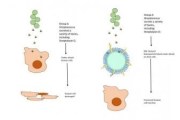
Antibiotic-resistant bacteria are a pretty scary thing, which is why researchers are working so hard to come up with new and creative ways to fight them off. Take for example nanosponges. In a presentation from the Experimental Biology meeting in Chicago last month, researchers from the University of California in San Diego are testing the use of nanosponges (shown on the right in the figure below) to bind and inactivate […]

Continue Reading →

Experimental Biology 2017 – Day 5

Here are the highlights from the final day of the meeting: Carbon monoxide (CO) is not all that bad: Michael Tift, graduate student at Scripps Institute of Oceanography, described how the body naturally produces CO when red blood cells are broken down and CO can actually be protective against inflammation at low doses. His research was focused on measuring whether species that have more hemoglobin (from living in hypoxic environments) also have […]

Continue Reading →

Experimental Biology – Day 2

Yesterday was a great day for comparative physiology! Highlights from the seminars on comparative physiology: Melissa Reiterer, graduate student from Florida Atlantic University, presented her research on how freshwater turtles (Trachemys scripta) survive for long periods of time without oxygen and do not develop oxidative stress after oxygen is restored. The turtles are able to do this by creating their own antioxidants as well as eliminating oxidative stress. In contrast, mammals including humans, develop […]

Continue Reading →

Experimental Biology – Day 1

Day 1 of the meeting was as inspiring as usual. The Porter Fellow Reunion Reception took place this evening. This 50 year-old program is designed to support trainees as they conduct research projects in physiology and learn to become independent researchers. It was amazing to see so many past and present fellows and to hear about their accomplishments since receiving the award. Following the Porter reception, I moseyed on over to the Walter B. Cannon memorial lecture. This […]

Continue Reading →

Synthetic peptide inspired by Komodo dragon blood speeds wound healing

Researchers at George Mason University have created a synthetic version of a peptide found in the blood of Komodo dragons (Varanus komodoensis). They dubbed the synthetic peptide DRGN-1. Living up to its name, DRGN-1 proved to be pretty tough against microbes (Pseudomonas aeruginosa and Staphylococcus aureus) as well as biofilms. Bacteria stick together to create biofilms that attach to surfaces and help to protect themselves during an infection. Even infected wounds healed faster when they were treated with […]

Continue Reading →

Obese rhesus monkeys develop diabetes too

A new study published in American Journal of Physiology – Endocrinology and Metabolism shows that rhesus monkeys (Macaca mulatta) who spontaneously develop obesity with aging are prone to insulin resistance and diabetes, similar to humans. The major goal of insulin is to lower blood sugar after eating a meal. In line with this goal, muscles respond to insulin by taking up large amounts of the sugar. Similarly, insulin blocks the breakdown of glucose […]

Continue Reading →

Komodo dragons have antibacterial blood

Researchers studying komodo dragons (Varanus komodoensis) at George Mason University discovered 48 previously unknown peptides in their blood that might have antimicrobial properties. Their findings were published in the Journal of Proteome Research. For the largest lizard, these peptides may help prevent the animals from getting infections from their own saliva, which is host to at least 57 species of bacteria. With this number of bacteria, it is easy to understand why they evolved so many […]

Continue Reading →

Could pitcher plant enzyme treat celiac?

Pitcher plants are a known enemy of insects, but perhaps beneficial for people suffering from celiac disease. Chemist Dr. David Schriemer at the University of Calgary was studying the pitcher plant Nepenthes x ventrata (shown above) in his search for an enzyme similar to pepsin for use in his experiments. Pitcher plants secrete digestive fluids with a pH similar to own digestive juices. Through his research he found the enzyme from pitcher plants could […]

Continue Reading →

The cause of stomach rumbling

The stomach and small intestine of many species moves rhythmically during fasting, something called the rhythmic ‘migrating motor complex’, or MMC. The MMC has 3 phases: no contraction, intermittent small contractions followed by regular large contractions. These contractions are thought to help clean the GI tract by moving along debris and bacteria as well as preparing our guts for the next meal. They are also the cause of ‘stomach rumbles’ when we are hungry. If […]

Continue Reading →

Ammonia tolerance of goldfish

Liver failure or congenital defects can lead to a build-up of ammonia in the brain of mammals resulting in life-threatening swelling, convulsions and comas. For goldfish (Carassius auratus), environmental exposure to ammonia causes reversible swelling of the brain. In a new study published in the American Journal of Physiology – Regulatory, Integrative and Comparative Physiology, researchers wanted to explore how the fish were able to accomplish this. They exposed goldfish to high […]

Continue Reading →