

Hypoxia and anoxia tolerance was a hot topic at the 2025 American Physiology Summit last month. Here are the highlights:

Hafsa Yaseen and Natalie Anne Heath presented their research from Dr. Joseph Santin’s laboratory at the University of Missouri exploring how adult bullfrogs (Aquarana catesbeianus) protect their brain function following hibernation, a period when oxygen and glucose levels are often very low. The team discovered that bullfrogs could adjust their metabolism and reduce oxygen demands to protect neuronal function under such harsh conditions. They also found that stress-responsive adrenergic neurons become more active during this time. These findings may one day help scientists develop new ways to protect the human brain during similar exposures to low oxygen, such as during a stroke.
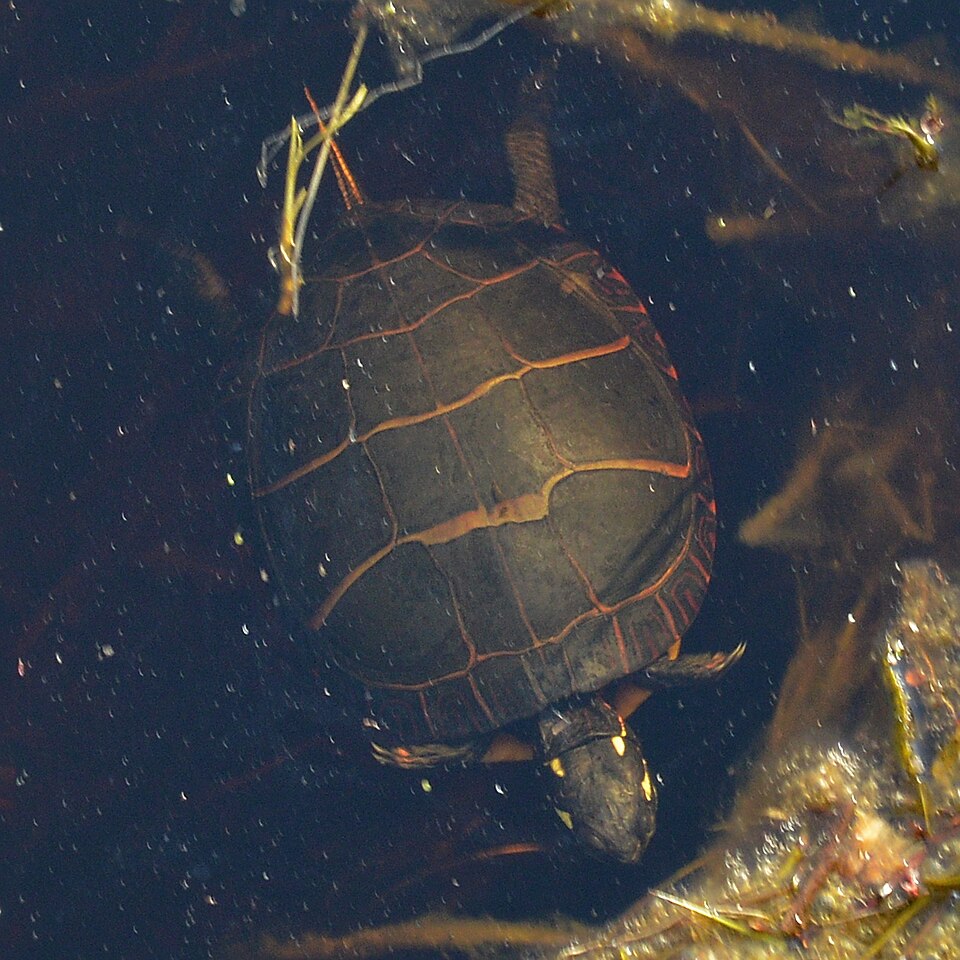
Nelson Membreno shared research from Dr. Daniel Warren’s laboratory at Saint Louis University exploring how Western painted turtle hatchlings (Chrysemys picta bellii) survive in the low-oxygen, high-carbon dioxide conditions of their underground nests, where they remain for 7–8 months after hatching. Surprisingly, when the team measured carbon dioxide levels in the nests, they found it to be lower than expected. Their latest discovery? The leftover eggshells may act like natural air purifiers, absorbing carbon dioxide to help protect the young turtles.
Though hatchlings can survive cold, oxygen-free conditions for about 40 days, they’re less tolerant than adults, who can last over 170 days at just 3°C. Natalia Agostini Schneider and Sam Hogue also presented findings from their research in Dr. Warren’s laboratory showing that both hatchlings and adult Western painted turtles develop less oxidative stress in cold environments—damage that usually occurs in humans when oxygen returns to tissues after deprivation, such as in strokes or heart attacks. These turtles’ natural resistance makes them exciting models for studying how to protect human tissues under similar stress.
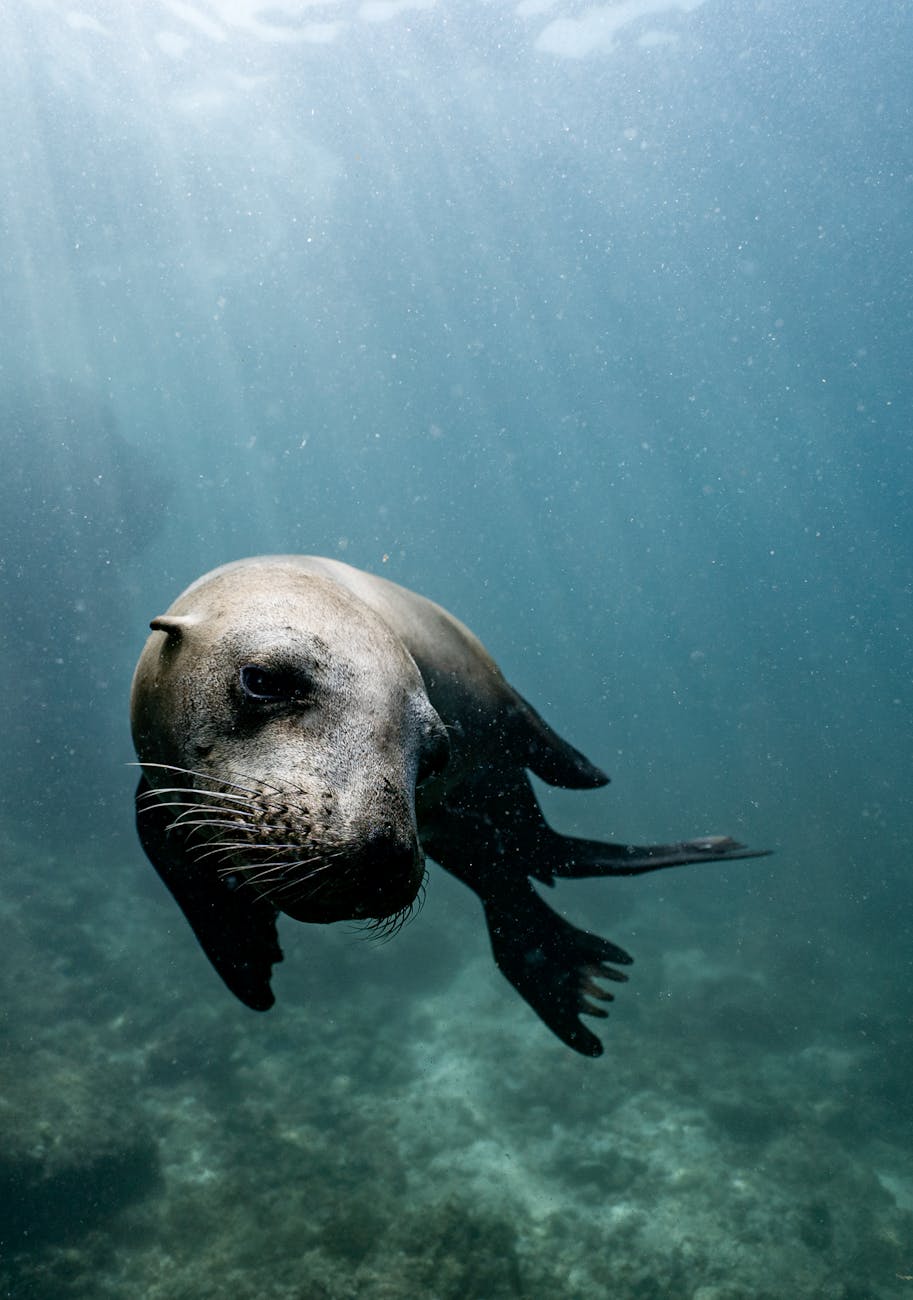
Meanwhile, Sebastiano Cupani (UNLV), along with Drs. Birgitte McDonald (Moss Landing Marine Lab), Cassondra Williams (National Marine Mammal Foundation), Jose Pablo Vazquez-Medina (UC Berkeley), Daniel Costa (UC Santa Cruz), Paul Ponganis (Scripps Institute of Oceanography), and Allyson Hindle (UNLV), investigated how northern elephant seals (Mirounga angustirostris) manage their oxygen levels while diving and sleeping. Interestingly, like some humans, elephant seals experience sleep apnea. The researchers suspected that the way seals respond to interrupted breathing during sleep might resemble the physiological changes that occur during their long, deep dives. What they discovered was surprising: elephant seals are actually better at reoxygenating after dives than during sleep. This remarbkable ability to bounce back quickly from low oxygen conditions likely helps them extend their time underwater.
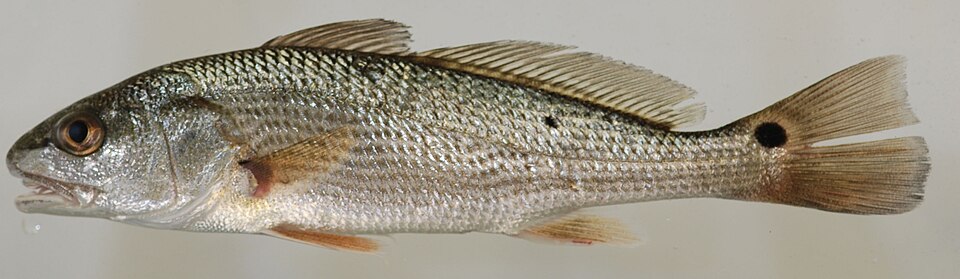
Lastly, Dr. Andrew Esbaugh (UT Austin) and colleagues examined how juvenile red drum fish (Sciaenops ocellatus) adapt to low-oxygen waters. They found the fish produced special forms of hemoglobin better suited to acidic conditions and improved their muscles’ ability to generate energy with less oxygen—an impressive example of resilience in tough environments.
Source:
2025 American Physiology Summit, Baltimore, MD
- 2025 August Krogh Distinguished Lecturer, Dr. Michael Hedrick
- Some like it hot: Genetic twists in warm hibernation
Categories: Agriculture, Aquaculture, and Livestock, Comparative Physiology, Environment, Extreme Animals, Hibernation and Hypoxia, Nature's Solutions, Ocean Life, Physiology on the Road, Stress
Tags: American Physiological Society, American Physiology Summit, animals, fish, health, medicine, mental-health, science, seals, stroke, turtle, wellness
 Life Lines by Dr. Dolittle