
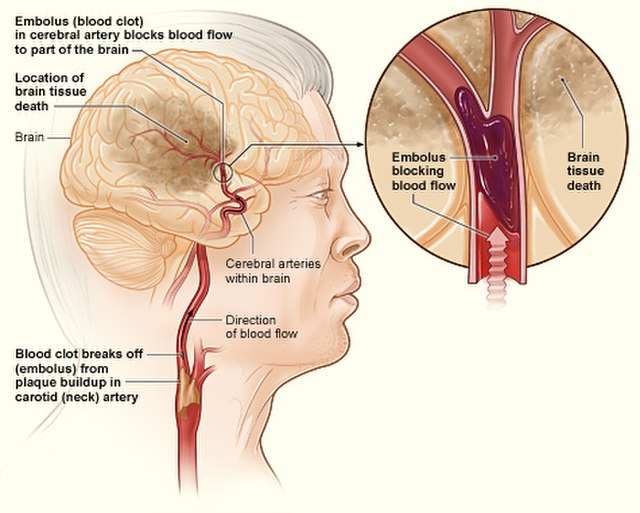
Hypoxia associated with ischemic stroke, heart attacks, and solid tumors causes significant pathologies in humans. However, some populations of humans that have lived at high altitudes for generations have adaptations that provide some measures of hypoxia tolerance that may lend insight into treatments for pathological hypoxia in disease states.
Researchers seeking to understand hypoxia tolerance compared the genome of Andean and Ethiopian highlander populations with the genome of Drosophila melanogaster that had developed hypoxia tolerance. They shared their findings at the 2023 American Physiology Summit in Long Beach, California.
The researchers identified 28 human and 23 Drosophila genes that were conserved between the species and are thought to be involved in hypoxia tolerance. In fact, when they reduced the expression of some of these genes in Drosophila, the animals had improved hypoxia tolerance. They also found that reducing the expression of specific genes in specialized cells in the brain prevented hypoxia-induced mortality in the Drosophila. The researchers hope that identifying these genes and their roles in hypoxia tolerance may lead towards the development of novel treatments for diseases related to hypoxia.
Source
D Zhou, J Xue, T Stobdan, G Haddad. Evolutionarily conserved mechanisms regulating hypoxia tolerance in Drosophila melanogaster. Physiology. 38(S1): American Physiology Summit 2023 Meeting Abstracts. May 2023.
- Sniffing out pathogens
- More than just “fireworks” – Fireflies may advance the treatment of epilepsy and other diseases
Categories: Comparative Physiology, Environment, Hibernation and Hypoxia, Physiology on the Road
Tags: American Physiological Society, American Physiology Summit, Drosophila, genome, heart attack, ischemic, tumor
 Life Lines by Dr. Dolittle
