

The results are in (drumroll please). Here are some highlights from the 34th First Annual “Ig Nobel” Prize ceremony held on September 12th at the Massachusetts Institute of Technology. The Ig Nobel prize is designed to recognize “achievements that first make people laugh and then make them think”.
Physiology
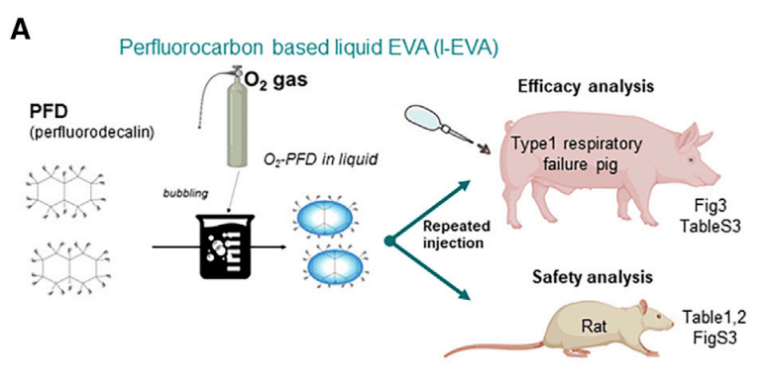
Following the Covid-19 pandemic, an international team of researchers published a study in 2021 eloquently titled, “Mammalian enteral ventilation ameliorates respiratory failure”. This is a fancy way to say that they discovered that pigs, rats, and mice could breathe through their anus. While this certainly made me chuckle to read, the study demonstrated a strange but potentially life-saving technique. The researchers found that providing oxygen in either liquid or gas form directly to the rectum (via an enema) enabled the animals to maintain adequate blood oxygenation – an important discovery if a patient cannot breathe due to respiratory failure. This research was inspired by nature. As it turns out, loaches, Corydoras, and sea cucumbers have a lot of capillaries in their lower intestine which help them absorb oxygen from the surrounding water.
R Okabe, TF Chen-Yoshikawa, Y Yoneyama, Y Yokoyama, S Tanaka, A Yoshizawa, WL Thompson, G Kannan, E Kobayashi, H Date, T Takebe. Mammalian enteral ventilation ameliorates respiratory failure. Med. 2(6): 733-783, 2021.
Biology
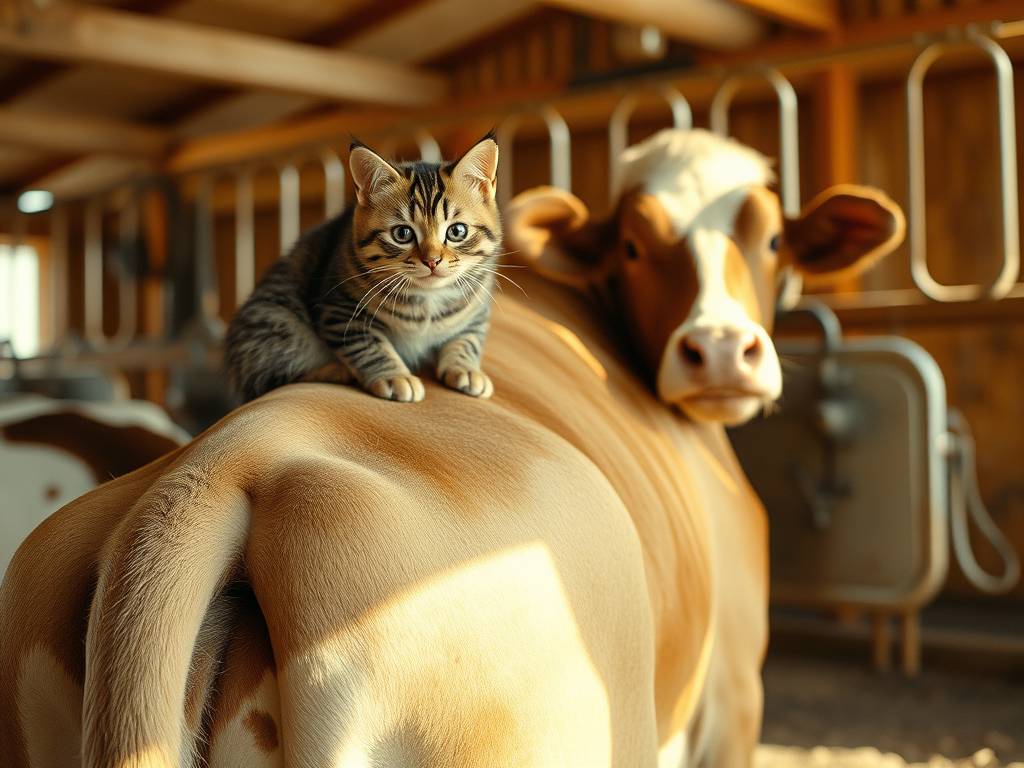
The winner of the Biology Ig Nobel prize went to researchers who published a study in 1941 examining factors that contribute to some cows resisting milk let-down. What caught the attention of the prize committee was the researcher’s unique idea of frightening the animals – by popping paper bags at 10 second intervals for a total of two minutes. Did I mention they popped them next to a cat that was placed on the back of the cow? I hope the cows had thick skin for that test!! The researchers must have had trouble working with the frightened felines as they decided the cats were not necessary for the tests after all. In fact, they discovered that simply injecting cows with adrenaline prevented muscle contractions that are necessary for milk let-down.
F Ely, WE Petersen. Factors involved in the ejection of milk. Journal of Dairy Science. 24(3): 211-223, 1941.
Physics
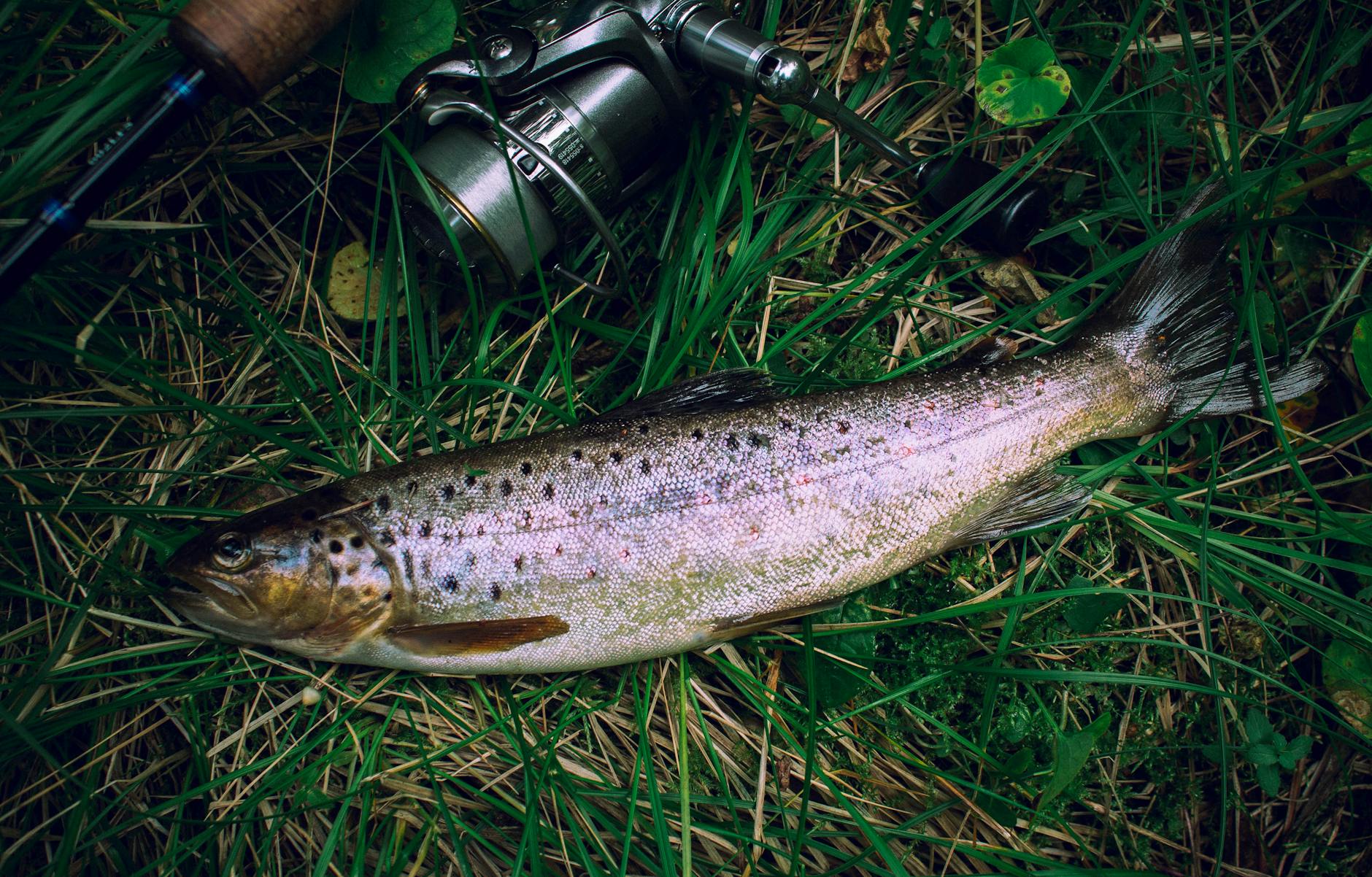
Dr. James C. Liao, Whitney Laboratory of Marine Science at the University of Florida, was awarded the Ig Nobel Prize in Physics for a 2004 paper in which he studied the passive swimming skills…of a dead fish. Well, the study was acually designed to examine how fish are able to swim upstream without using much energy by taking advantage of vortices in the water. Interestingly, the dead fish demonstrated similar kinematics as a live fish leading Dr. Liao to conclude that a fish “can extract sufficient energy from a vortical stream to overcome its own drag, implying that a flapping body can follow another wake-producing body, even at a distance, without expensing any energy.”
JC Liao. Neuromuscular control of trout swimming in a vortex street: Implications for energy economy during the Kármán gait. The Journal of Experimental Biology. 207: 3495-3506, 2004.
Peace

The winner of the 2024 Ig Nobel Peace Prize was a paper published by renowned psychologist Dr. BF Skinner in 1960 explaining the results of an experiment designed to train pigeons to help guide missiles during World War II. The experiment was aptly called “Project Pigeon”. According to his daughter who accepted the award on his behalf, “I want to thank you for finally acknowledging his most important contribution. People know him only for discovering operant conditioning, schedules of reinforcement, and for books like “Walden Two, Verbal Behavior, Beyond Freedom D, and more. Even the B.F. Skinner Foundation fails to put a missile on its hat, so thank you for finally putting the record straight.”
BF Skinner. Pigeons in a pelican. American Psychologist. 15: 28-37, 1960.
You can check out the whole ceremony on YouTube:
- Physiology on the Road: Mophys 2024!
- From Hibernation to Healing: Unlocking Genomic Secrets for Human Therapies
Categories: Agriculture, Aquaculture, and Livestock, Covid, Hibernation and Hypoxia, Intelligence and Neuroscience, Stress
Tags: biology, history, Ig Nobel, physics, respiratory failure, science
 Life Lines by Dr. Dolittle