
I was just cleaning my desk and came across an issue of The Physiologist Magazine from March that had ended up under a pile of papers., some of which were admittedly much older. Clearly, I should clean my desk more often. Anyway, in perusing the issue I came across a gem…
The March issue featured Dr. Joanna Kelley, associate professor at the University of California Santa Cruz. Dr. Cruz was among several researchers who spoke during a “Game Changer” session at the American Physiological Summit last spring called, “Physiology in nontraditional model systems: Exploring species diversity to reveal adaptations with translational potential.” Dr. Cruz studies genomics from an evolutionary perspective and is particularly interested in the genomics involved in adapting to extreme environments. Her model: hibernating brown bears.
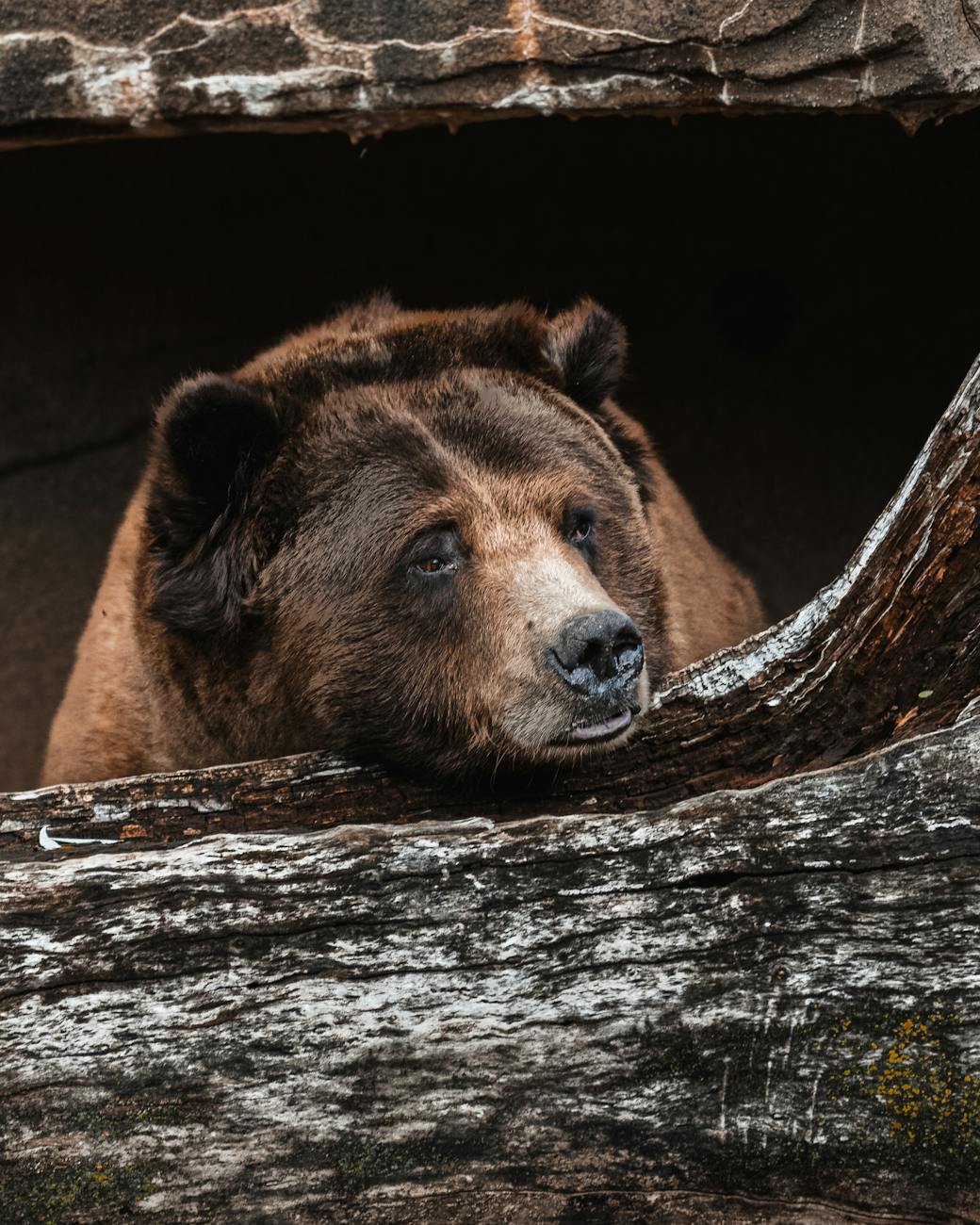
Brown bears are the epitome of adapting to extreme environments. They build up fat stores in preparation for winter, which they utilize to support their reduced metabolism throughout hibernation. This ability to switch to burning stored fats is enabled by seasonal insulin resistance. This switch to fats for fuel is similar to a person with type 2 diabetes as their cells are not able to take up sugars in response to insulin and so must rely on alternate sources of energy. Even though the bears are inactive during hibernation, they do not appear to lose appreciable muscle mass. Understanding the genetic underpinnings of these adaptations may one day help treat humans and other animals with diabetes and muscle atrophy. In collaboration with Dr. Heiko Jansen at Washington State University, Dr. Kelley is also paving the way toward understanding how bear adipose tissue changes seasonally to enable them to repeatedly gain and lose weight.
Fauna Bio, a biotech company, is also interested in unlocking the secrets of hibernation to improve healthcare by understanding how animals slow down their metabolism and prevent or even reverse tissue damage during hibernation. Unlocking the secrets to how animals protect cells during hibernation has already inspired the development of novel treatments for cardiovascular disease, Alzheimer’s disease, and safe organ transplants.
Sources:
Categories: Comparative Physiology, Diet and Exercise, Environment, Extreme Animals, Hibernation and Hypoxia, Nature's Solutions
Tags: American Physiological Society, animals, atrophy, bear, Diabetes, hibernation, nature, wildlife
 Life Lines by Dr. Dolittle