

Heat is a major physiological stressor that can damage proteins in the body, promote dehydration and even lead to death. Organisms living in hot environments must develop both behavioral and physiological mechanisms to prevent heat-related damage or illness. A recent review published in Physiology examined how humans and experimental animals adapt to heat (Laitano et al., 2025).
Organisms that tolerate heat effectively can maintain normal physiological functions even when their core body temperature rises. Animals that are well-adapted or acclimated to heat can also keep their core temperature stable during exercise, unlike animals that are not well-acclimated. Several factors influence an organism’s ability to acclimate to heat such as hydration and nutrition status, physical fitness, body composition, sleep, and illness. Humans face the added challenges of clothing choices and medications. On the other hand, factors such as age, biological sex, genetics, medical conditions, and past heat-related illnesses are beyond our control (Laitano et al., 2025).
An increase in plasma volume in response to heat exposure can help organisms acclimate. The extra water in the bloodstream reflects a shift of water and proteins from the tissues to the blood. This adjustment prevents dehydration and ensures sufficient water is available for sweating. Heat shock proteins also play a vital role in preventing damage to proteins by stabilizing and repairing those altered by heat (Laitano et al., 2025).
Humans and heat regulation
Humans are generally good at regulating body temperature through behavioral (e.g. seeking shade, using air conditioning, and drinking water) and physiological mechanisms (e.g. sweating and dilating blood vessels in the skin to help dissipate heat). Our upright posture and furless bodies also give us an advantage over other primates in managing heat. However, humans are not very good at regulating body heat and metabolism during exercise or strenuous work in hot environments. This is because only about 30% of energy is actually used for muscle contractions, while the majority is used to generate metabolic heat (Laitano et al., 2025). That means we heat up when we exercise and increase metabolism.
Some like it hot: Animal Adaptations
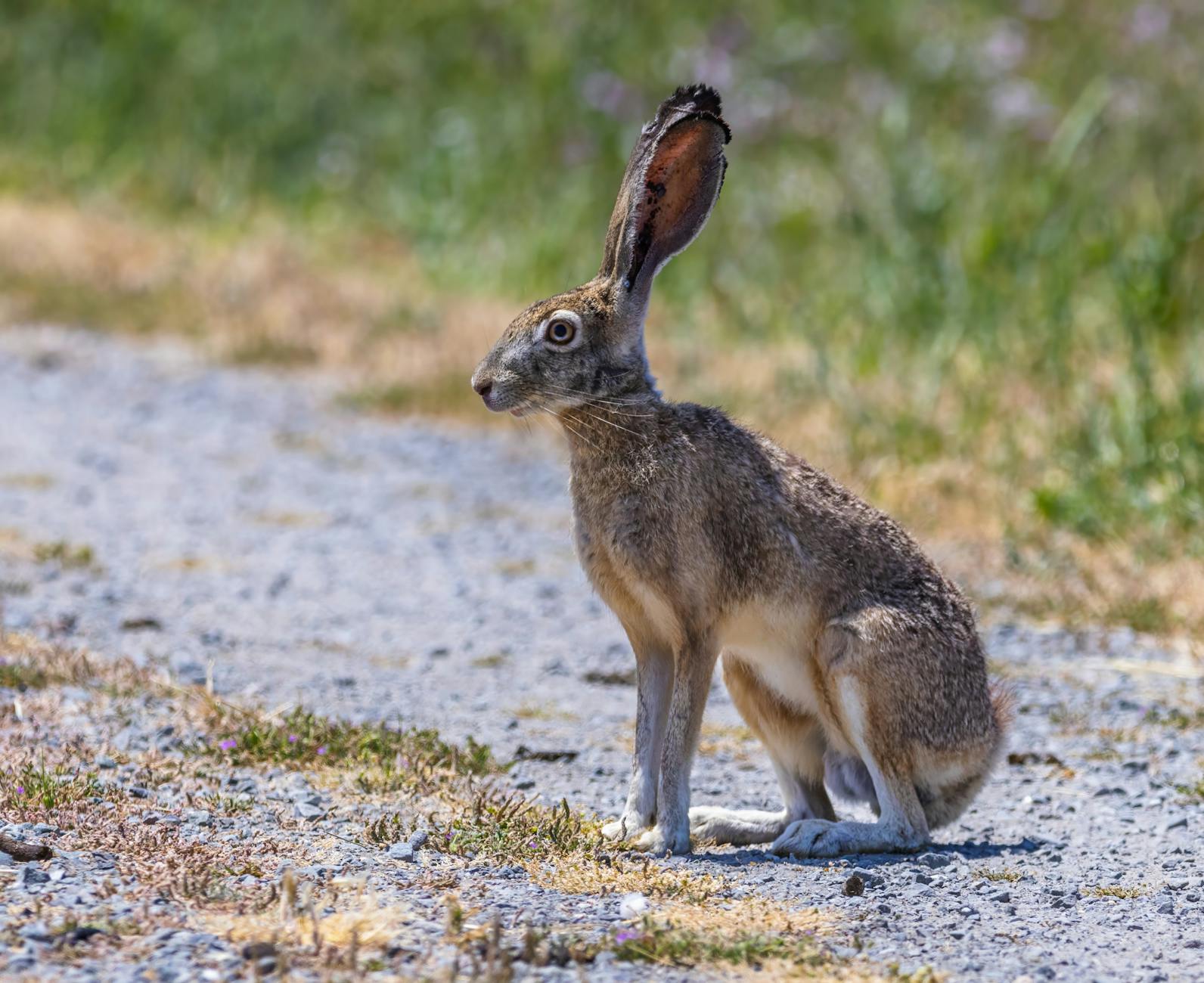
Desert animals, despite lacking the luxury of air conditioning, have unique ways to stay cool. Many seek shade or cooler spots during the summer months and shed their coats to reduce insulation. Because birds have higher body temperatures than many mammals, they continue to dissipate heat in warmer temperatures so long as those temperatures do not exceed their own. They can additionally sleek back their feathers to reduce insulation. Birds can also cool off by dilating blood vessels in their legs, while jackrabbits and elephants dilate blood vessels in their incredibly large ears to expel heat (Desert Museum).

You’ve probably seen desert birds and mammals panting, which is an evaporative cooling process that helps remove heat from the body. In fact, mouths and noses are particularly good at this cooling process as they are wet environments. Given its close proximity to the brain, the nose also plays a major role in keeping the brain cool, especially during exercise. In fact, a dog’s brain stays cooler than its body temperature during exercise. Vultures, however, utilize a much less pleasant approach – they urinate on their legs to cool off. Gross. Other animals are nocturnal and thus are only active at night when temperatures have cooled off (Desert Museum).
Like humans, animals rely on water to regulate body temperature. Without it, they risk overheating. However, some animals, such as the kangaroo rat, don’t have easy access to water. Instead, they often rely on water produced from metabolizing the foods that they eat. They also store seeds in their burrows, which absorb water from the humid burrow environment, and they make very concentrated urine to help prevent water loss (Desert Museum).
Below are some suggestions to help prevent heat stress:
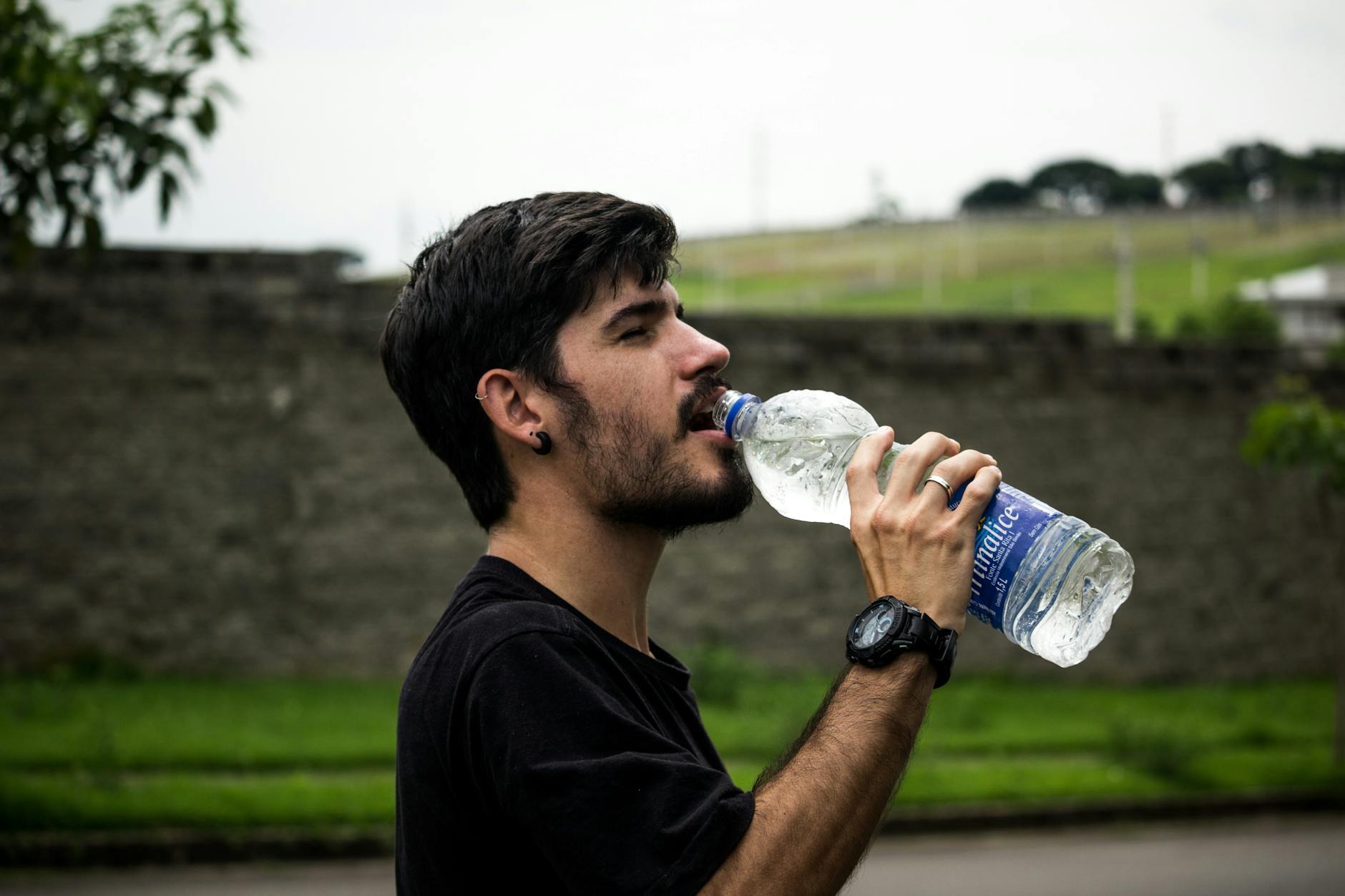
- Stay hydrated
- Keep physically fit
- Adjust clothing to deal with heat
- Gradually acclimatize to warm environments
- Seek shade or air-conditioned spaces when needed
- Take more frequent breaks when engaging in outdoor physical activity or work
Sources:
O Laitano, K Oki, N Charkoudian. Factors contributing to heat tolerance in humans and experimental models. Physiology. 40(1): 0, 2025. DOI: 10.1152/physiol.00028.2024
P Siminski, The Desert Adaptations of Birds and Mammals. Desert Museum
Gatorade Sports Science Institute
Occupational Safety and Health Administration
- The gatekeepers of life: Exploring the complex role of GPCRs
- Happy ‘Love Your Pet Day’! Show your love by blinking
Categories: Climate Change, Diet and Exercise, Environment, Exercise, Extreme Animals, Nature's Solutions
Tags: American Physiological Society, athlete, dehydration, fitness, health, medicine
 Life Lines by Dr. Dolittle