

I am excited to announce that the Indiana Physiological Society, a chapter of the American Physiological Society, is hosting their annual meeting tomorrow! The event will take place at the University of Southern Indiana.
The keynote address will be given by Dr. Thad Wilson, renowned professor of physiology and educator at the University of Kentucky College of Medicine. The conference also includes hands-on activities to improve teaching in physiology. It will feature an interesting comparative physiology breakout session led by Dr. Alex Champagne focused on understanding muscle contraction in insects as a model of mammalian processes. Other highlights include:
Waterproofing skin
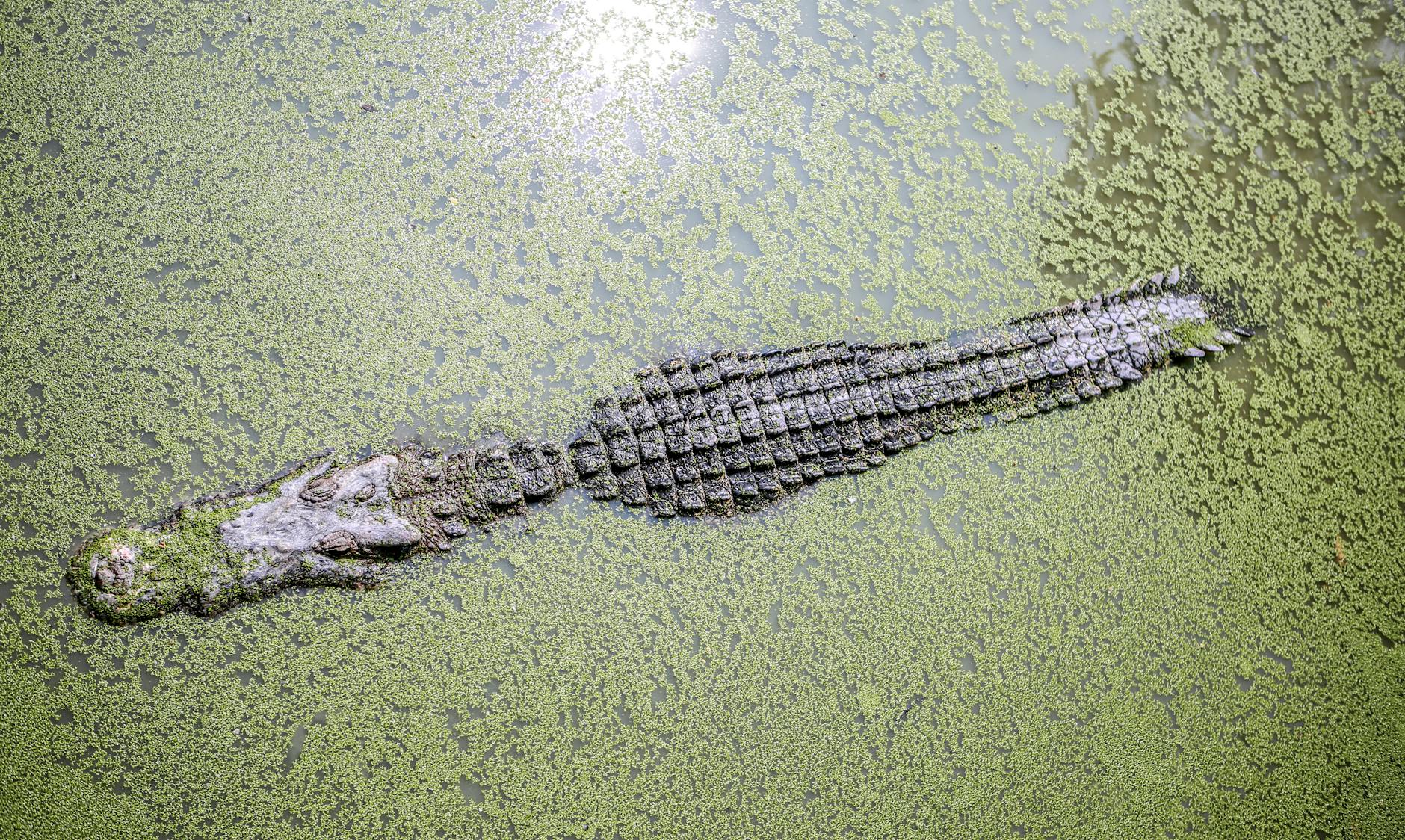
Max Stoll (University of Southern Indiana), will present research conducted in collaboration with Elissa Tam, Frank Robb, Heather Allen and Alex Champagne. In this study, Max examined how the outer layer of skin of American alligators, Alligator mississippiensis, prevents water loss while at the same time attracting water to keep their skin hydrated. The findings of this research identified similarities in the skin of alligators and birds.
How forever chemicals end up in the brain
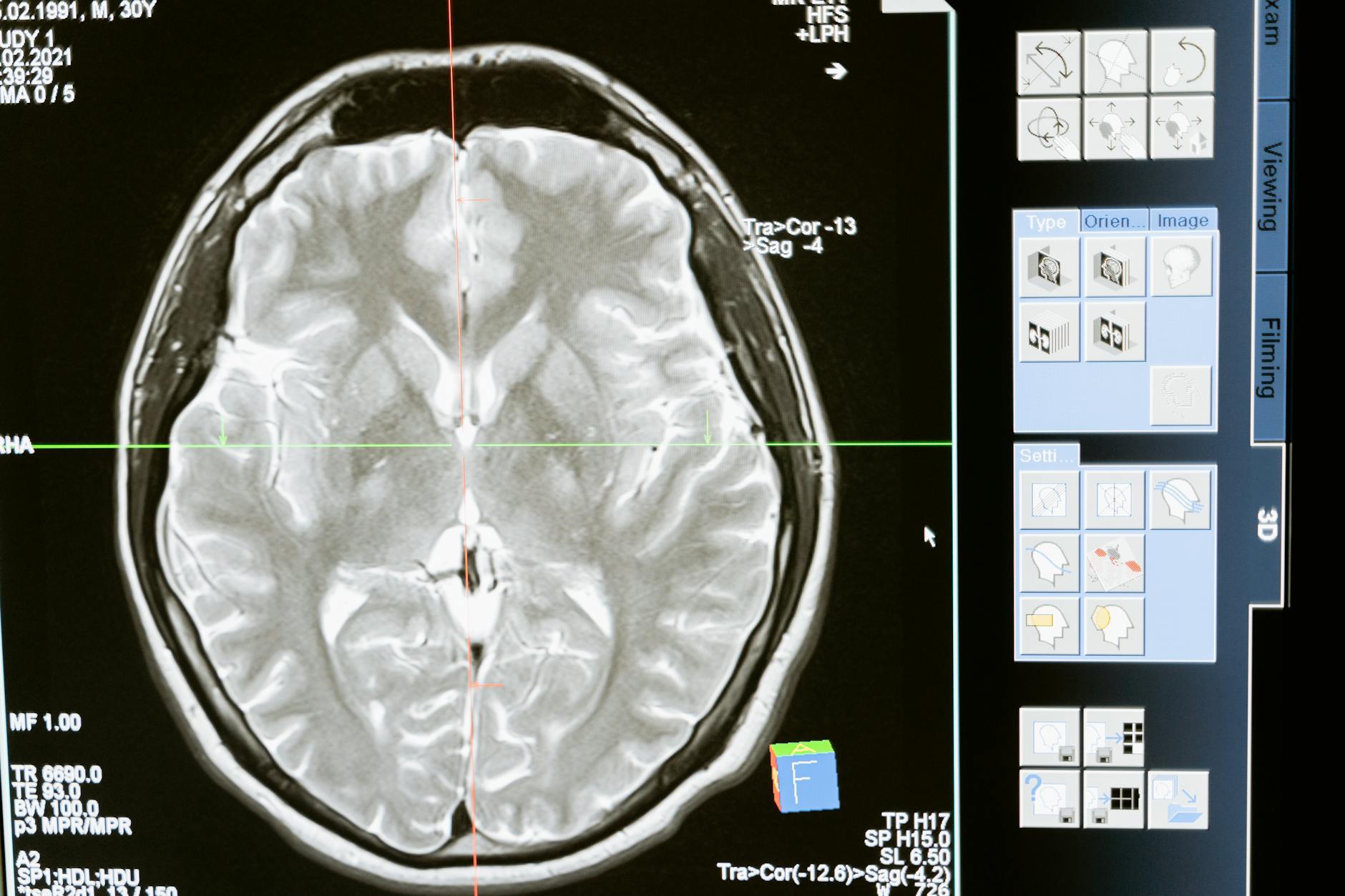
Addison Sisil, together with Rylee Anderson and Scott Canfield (of Indiana State University and Indiana University School of Medicine), will share research examining how PFAS are able to cross the blood brain barrier.
Humans are not the only animals at risk of accumulating PFAS. A systematic review of the literature identified 1042 species of animals that PFAS have been detected in – so far. Of these, fish, birds and mammals were the most commonly studied (Vendl et al., 2024). Given the widespread detection of PFAS in organisms, it is important to understand their potential physiological effects. Observing these trends, other researchers have suggested that understanding how PFAS affects humans might also help us understand how these forever chemicals impact wildlife (Andrews et al., 2023).
Adverse effects of cannabis overuse
Trenton Goffinet, along with Jenna Zirkelbach and Michelle Galen (of University of Southern Indiana, Indiana University School of Medicine, and Deaconess Research Institute), will present research examining “cannabinoid hyperemesis syndrome” in humans. Overuse of marijuana can cause over-activation of the receptors that cannabis bind to, called endocannabinoid receptors, resulting in excessive vomiting. Their research aimed to understand this growing public health concern.

Almost all vertebrate and invertebrate animals appear to have the receptors for cannabinoids, CB1 and CB2. Hydra are considered the first animal to have developed a primitive brain, called a nerve net. Research shows that endocannabinoid receptors in hydra are important in regulating their feeding behaviors, which is similar to the hunger-inducing effects it can have in some vertebrates as well (Silver, 2019).
Activation of CB1 receptors results in the psychological effects of marijuana. These receptors are present in several tissues in the body, including the brain. THC typically activates CB1 receptors which is why THC can cause psychoactive effects. Interestingly, dogs and cats have more CB1 receptors in their brain than humans, which is why marijuana can cause profound psychological effects, toxicity, and even death in these animals. CBD, on the other hand, tends to bind to CB2 receptors, which are responsible for the anti-inflammatory and immune properties of cannabinoids. This is why CBD tends to be less toxic than THC (PetMD).
Pets can be exposed to cannabis through exposure to smoke or ingestion of products containing the chemicals. Pet Poison Helpline reported a 448% increase in calls regarding dogs or cats accidentally ingesting or inhaling marijuana since its legalization (Silver, 2019; PetMD).
Sources
DQ Andrews, T Stoiber, AM Temkin, OV Naidenko. Discussion. Has the human population become a sentinel for the adverse effects of PFAS contamination on wildlife health and endangered species? Science of the Total Environment. 901: 165939, 2023.
RJ Silver. The endocannabinoid system of animals. Animals (Basel). 9(9): 686, 2019.
C Vendl, MD Taylor, J Braunig, L Ricolfi, R Ahmed, M Chin, MJ Gibson, D Hesselson, GG Neely, M Lagisz, S Nakagawa. Profiling research on PFAS in wildlife: Systematic evidence map and bibliometric analysis. Ecological Solutions and Evidence. 5(1): e12292, 2024.
Categories: Agriculture, Aquaculture, and Livestock, Diet and Exercise, Environment, Extreme Animals, Feline, Nature's Solutions, Pets, Physiology on the Road
Tags: alligator, American Physiological Society, cannabis, cbd, dog, endocannabinoid, health, hemp, Indiana, marijuana, muscle, PFAS, skin, thc
 Life Lines by Dr. Dolittle