
Despite its bad reputation, cholesterol serves many important functions in the body. It is necessary for normal cell structure and is a precursor for the formation of steroid hormones, vitamin D, and bile acids. Too much “bad” cholesterol (LDL), however, can promote cardiovascular diseases and nonalcoholic fatty liver disease. For this reason, many animals tightly regulate cholesterol levels in the body. Fish often have higher cholesterol levels than humans and other mammals. In fact, salmonid fish are at risk of developing atherosclerosis.1
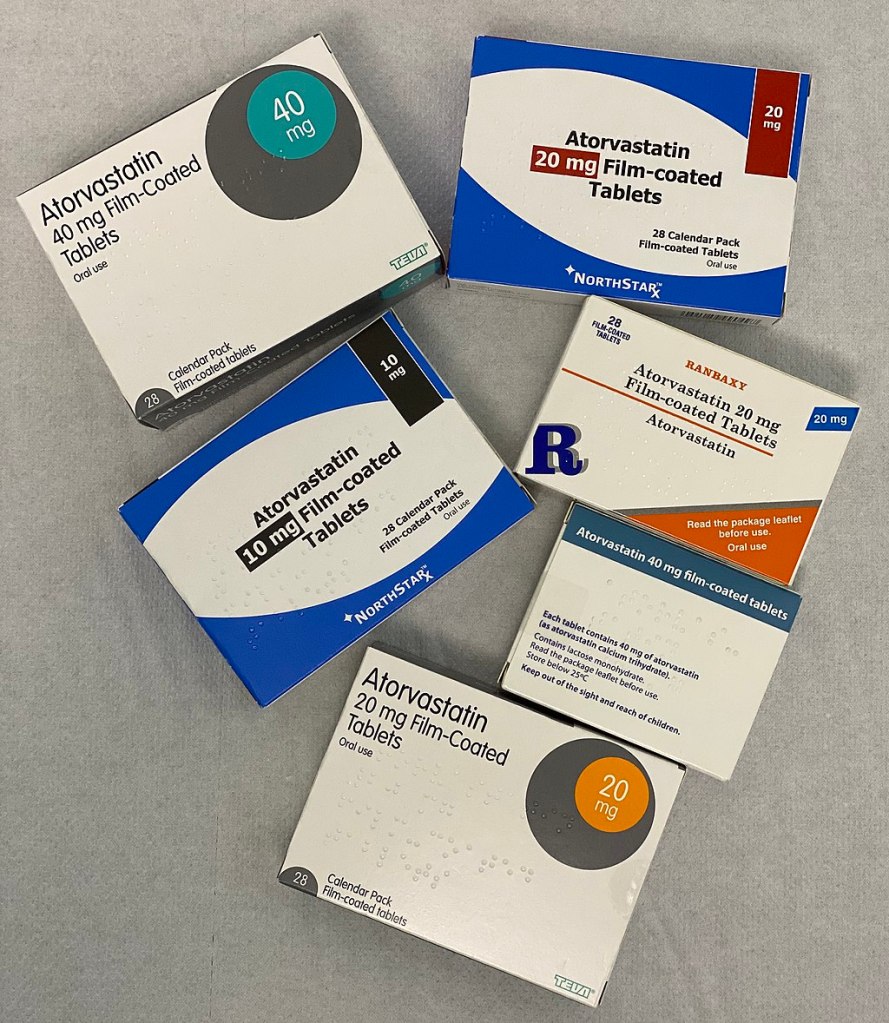
Statins are a class of medications used to prevent or treat coronary heart disease and atherosclerosis by lowering “bad” cholesterols (total and LDL) and triglycerides in humans and other mammals while at the same time increasing “good” cholesterol (HDL). They work mainly by inhibiting an enzyme called HMG-CoA reductase, which is responsible for converting 3-hydroxy-3-methyl glutaryl-CoA (HMG-CoA) to mevalonate in the liver. This conversion is the first step in making cholesterol. By reducing this step, statins are quite effective at lowering cholesterol since most of the cholesterol in circulation comes from the liver as opposed to the diet. They also work to prevent blood clots, reduce inflammation, and improve vascular function. 2
Animals living in aquatic environments are increasingly at risk of exposure to pharmaceutical drugs due to run off as well as insufficient wastewater treatment. The most common statin drugs found in aquatic bodies are atorvastatin and simvastatin. For this reason, it is important to understand how such medications impact species that are inadvertently exposed to them.3
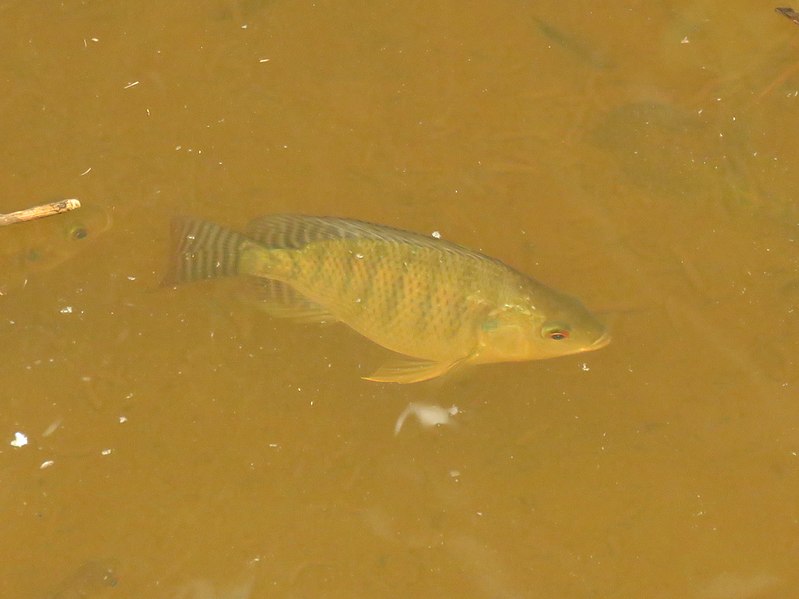
A study published in the American Journal of Physiology – Regulatory, Integrative and Comparative Physiology examined whether statins alter cholesterol metabolism in fish. Nile tilapia (Oreochromis niloticus) were provided a diet with or without atorvastatin for one month. Unlike mammals, the researchers found that although atorvastatin increased very low-density lipoprotein (VLDL) and triglycerides and in the liver, the drug prevented cholesterols from leaving the liver, thereby reducing concentrations in the circulation and adipose tissue, while at the same time promoting fat accumulation in the liver.1
Sources:
1R-X Li, L-Y Chen, SM Limbu, B Yao, Y-F Qian, W-H Zhou, L-Q Chen, F Qiao, M-L Zhang, Z-Y Du, Y Luo. Atorvastatin remodels lipid distribution between liver and adipose tissues through blocking lipoprotein efflux in fish. American Journal of Physiology – Regulatory, Integrative and Comparative Physiology. 324(3): R281-292, 2023.
2AB Bansal, M Cassagnol. HMG-CoA reductase inhibitors: [Updated 2023 Jul 31]. In: StatPearls [Internet]. Treasure Island (FL): StatPearls Publishing; 2024 Jan-. Available from https://www.ncbi.nlm.nih.giv/books/NBK542212/
3M Blonc, J Lima, JC Balasch, L Tort, C Gravato, M Teles. Elucidating the effects of the lipids regulators fibrates and statins on the health status of finfish species: A review. Animals (Basel). 13(5): 792, 2023.
- Is it just a fluke?
- Improving the health of fish exposed to arsenic and increasing environmental temperatures
Categories: Agriculture, Aquaculture, and Livestock, Environment, Urbanization
Tags: American Journal of Physiology, American Physiological Society, cholesterol, fatty liver, pollution, Statin, tilapia
 Life Lines by Dr. Dolittle

.jpg)