
The lifespan of a red blood cell (RBC) in a healthy human is about 120 days and approximately 200 billion red blood cells (RBCs) are replaced every day in healthy adult humans! Most (80%) of the carbon monoxide produced in humans comes from the breakdown of heme which is released when these red blood cells (RBC) are broken down through normal homeostatic processes. Sickle cell anemia shortens the lifespan of RBCs resulting in higher levels of carbon monoxide in the blood.
Deep-diving marine mammals are known for their extraordinary ability to hold their breath during dives. This results in regular periods of ischemia and reperfusion. Scientists have speculated that naturally high levels of carbon monoxide in these animals may provide an antioxidant or anti-inflammatory role to protect them from ischemia/reperfusion injuries as low concentrations of the gas have been shown to protect cells.
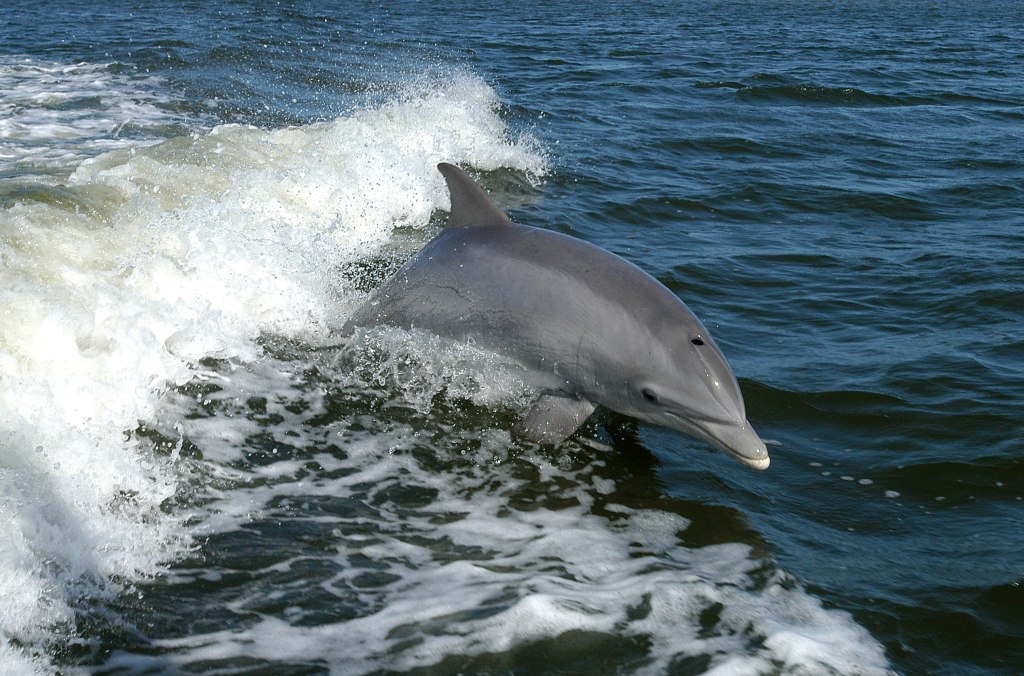
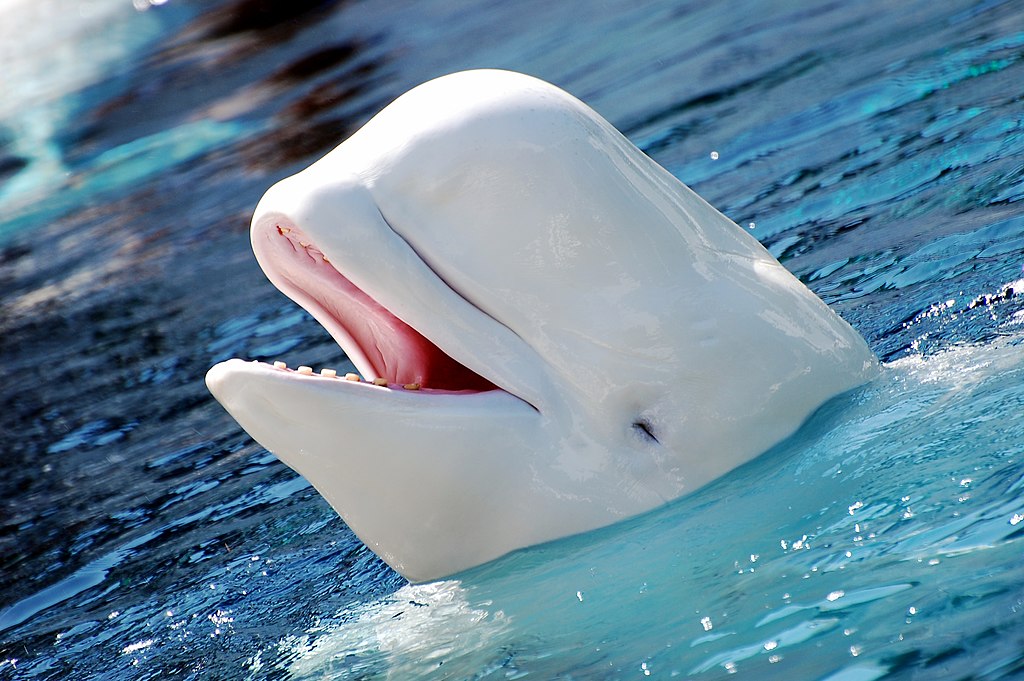
A new study published in the American Journal of Physiology – Regulatory, Integrative and Comparative Physiology is the first to compare carbon monoxide and red blood cell concentrations and turnover between deep-diving (beluga whales, Delphinapterus leucas) and shallow-diving (bottlenose dolphins, Tursiops truncatus) mammals.
Beluga whales were found to have longer RBC lifespans than either dolphins or humans. Remarkably, they both had levels of carbon monoxide that were 2-3x higher than healthy humans, but lower than pinnepeds. High levels of carbon monoxide in the dolphins were attributed to high turnover and breakdown of RBCs. In contrast, when accounting for their enormous blood volume, the turnover of RBCs and production rate of carbon monoxide in belugas is actually similar to humans, although the rate is still higher in dolphins. Rather than RBC turnover, the higher carbon monoxide levels in belugas is thought to be related to differences in the rate of carbon monoxide disposal to the environment from the lungs as belugas hold their breath much longer (9-16 minutes) than dolphins (1 minute). It could also be related to differences in other metabolic processes in belugas that might produce carbon monoxide as a byproduct.
Source:
AB Pearson, LA Hückstädt, ST Kinsey, TL Schmitt, TR Robeck, J St. Leger, PJ Ponganis, MS Tift. Relationship between red blood cell lifespan and endogenous carbon monoxide in the common bottlenose dolphin and beluga. American Journal of Physiology – Regulatory, Integrative and Comparative Physiology. 326(2): R134-R146, 2024.
- Improving the health of fish exposed to arsenic and increasing environmental temperatures
- Let’s stop lactate-shaming
Categories: Comparative Physiology, Extreme Animals, Hibernation and Hypoxia, Most Popular, Nature's Solutions, Ocean Life
Tags: American Journal of Physiology, American Physiological Society, Beluga, carbon monoxide, diving, dolphin, red blood cell
 Life Lines by Dr. Dolittle

