
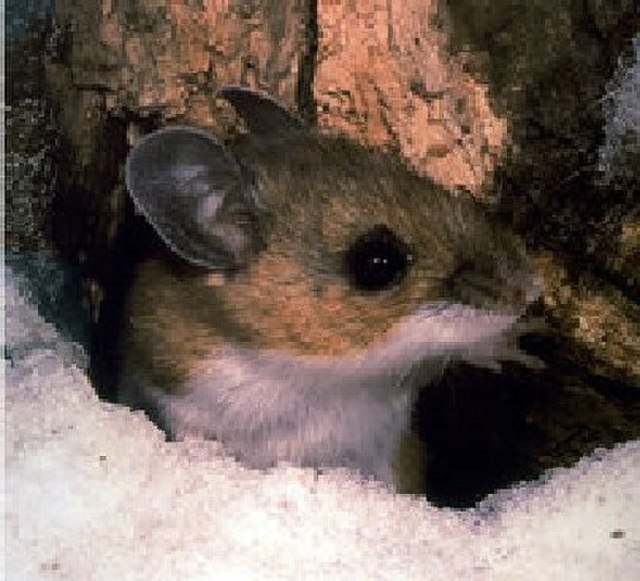
Dr. Graham Scott (McMaster University) presented intriguing research at the American Physiology Summit earlier this month in Long Beach, CA. His laboratory has been examining a potential link between the gut microbiome and the ability for deer mice to help regulate body temperature.
Deer mice live in high elevations where atmospheric oxygen levels are low. This presents a physiological challenge as they have to use a lot of energy to generate body heat to compensate for cold conditions while living in a hypoxic environment that limits the availability of oxygen for metabolism. Research from Dr. Scott’s lab suggests that the gut microbiome may play a role in body temperature regulation of deer mice living at high altitude as administration of an antibiotic reduced the animal’s ability to regulate body temperature in hypoxic cold conditions.
Pretty cool research if you ask me.
Sources:
2024 American Physiology Summit Abstracts
Categories: Environment, Extreme Animals, Hibernation and Hypoxia, Nature's Solutions, Physiology on the Road
Tags: American Physiology Summit, bacteria, body temperature, deer mice, gut microbiome, health, high altitude, McMaster University, microbiology, microbiome, thermoregulation
 Life Lines by Dr. Dolittle
.jpg)